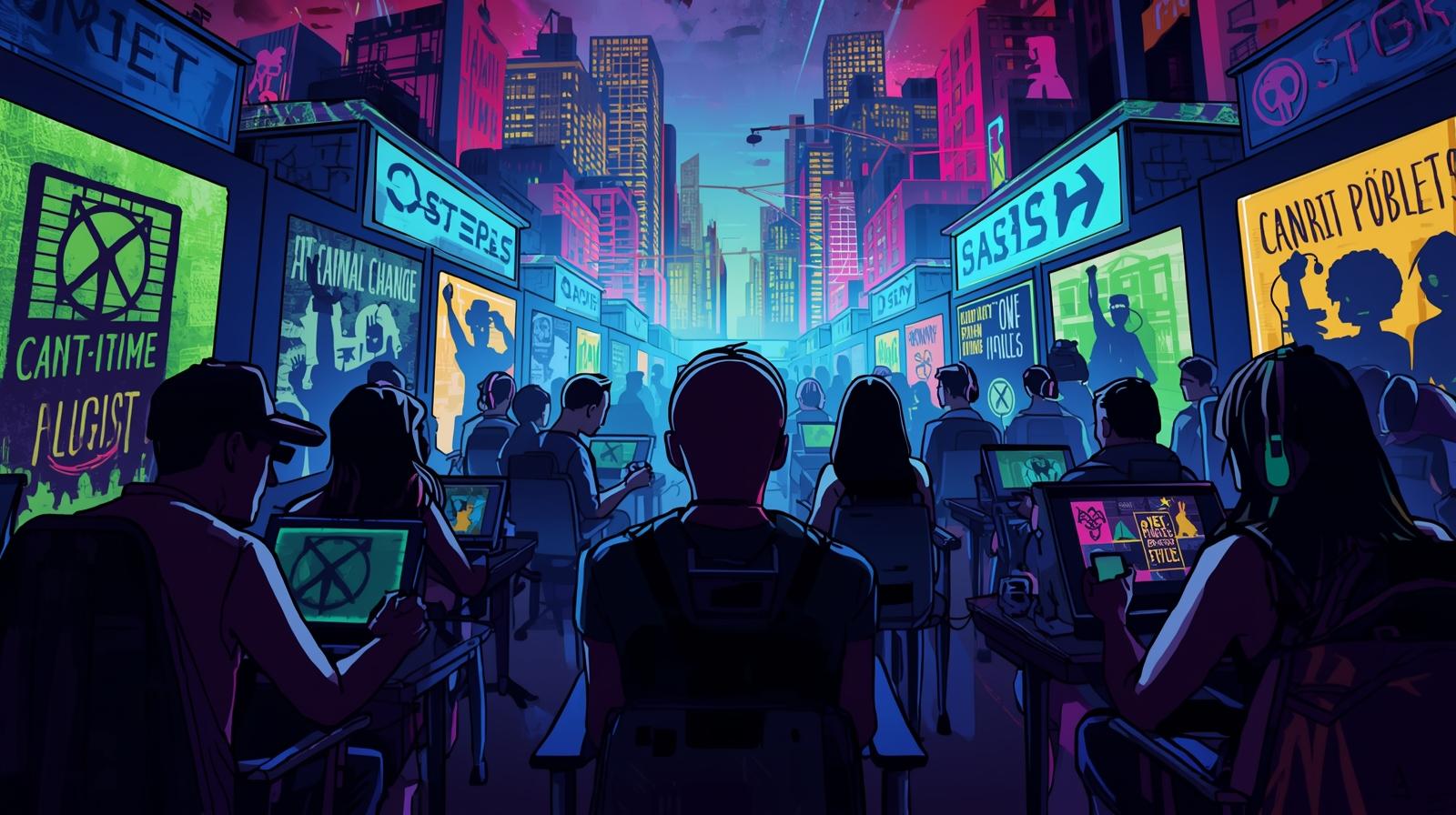
In recent years, the cultural significance of video games has evolved dramatically. Once viewed merely as a source of entertainment, games are increasingly recognized for their potential to foster social change and enact political discourse. With the rise of online communities and the blending of gaming with urban lifestyles and activism, one question emerges: can video games become effective spaces for social protest? This blog post will delve into this thought-provoking query, exploring how video games can amplify voices, unite communities, and challenge social norms while examining notable examples that prove this concept.
The Power of Games as a Medium for Expression
Video games have always been a form of storytelling, and storytelling is one of the most powerful tools for social protest. Just as literature, film, and music have served as vehicles for cultural critique, video games can, too. The interactive nature of gaming sets it apart; players not only consume stories but actively participate in them. This engagement allows for a unique experience—where players can immerse themselves in narratives that reflect real-world injustices, sparking conversations and promoting awareness.
The Mechanics of Protest in Games
Many contemporary games incorporate mechanics meant to challenge societal norms and provoke thought. For instance, games like "Papers, Please" and "This War of Mine" place players in morally challenging situations that mimic the experiences of oppressed individuals, advocating empathy and understanding. By simulating the struggles of marginalized populations, these games allow players to reflect deeply on their own beliefs and values.
In a more recent development, the popular indie game "Animal Crossing: New Horizons" was utilized by players to create virtual protest spaces in response to racial injustice. During the Black Lives Matter protests in 2020, players transformed their islands into safe spaces for dialogue, where community members could gather and express their solidarity through digital art, signs, and events. These virtual protests highlighted how gaming can transcend its traditional realm and become a platform for real-world advocacy.
Building Online Communities for Change
The online nature of gaming has given rise to diverse communities that bring together people from various backgrounds. Platforms like Twitch, Discord, and various social media channels have enabled players to discuss pressing social issues while gaming. This interconnected network fosters relationships among players who share ideals and goals, creating virtual hubs for activism.
One notable example occurred during the streaming of "The Last of Us Part II." As players shared their experiences, discussions about the game's themes—such as violence, revenge, and the human condition—morphed into discussions about systemic inequalities and mental health. The communal aspect of gaming allowed players to process complex themes together, creating a sense of unity and shared purpose.
Similarly, charities have begun to utilize the gaming world to raise awareness and funds for social causes. Platforms like Extra Life and Games Done Quick harness the collective power of gamers to support various charities, mobilizing entire communities to address issues ranging from health crises to education. By gamifying fundraising and awareness activities, these initiatives attract interest while also empowering gamers to become advocates for the causes they care about.
The Ethical Implications of Protest in Video Games
While the potential for video games as spaces for social protest is exciting, it also brings forth an important conversation about ethics and responsibilities. Game developers and players alike must navigate issues concerning representation, appropriation, and authenticity.
Representation in Gaming
One of the most pressing concerns is representation. Historically, video games have sidelined marginalized voices, often reducing complex cultures and stories to stereotypes. Thus, when games tackle sensitive topics, it’s essential to involve individuals from those backgrounds in both the development and the storytelling process. This ensures that the narratives portrayed are authentic and respectful, ultimately leading to a more impactful message.
Developers like Niantic, the creators behind "Pokémon GO," have shown initiative in engaging local communities by collaborating with activists to spotlight social movements. By incorporating real-world locations tied to these movements into their game, developers can create immersive experiences that honor the struggles of those affected, while responsibly educating players.
The Risk of Commercialization
Another ethical dilemma is the potential commercialization of protest mechanics. As gaming continues to intertwine with pop culture, the risk arises that social issues may be commodified for profit rather than genuine change. It’s vital for both players and developers to remain vigilant about maintaining integrity when leveraging gaming as a form of protest. This awareness helps to ensure that the platform is used for empowering voices rather than exploiting struggles for market gain.
Conclusion: The Future of Gaming as a Platform for Change
As video games continue to evolve, so too does their potential to serve as platforms for social protest. From immersive narratives that provoke thought to the formation of online communities that mobilize collective action, gaming holds significant power in driving social awareness and change.
However, the pathway forward must be navigated with care—ensuring ethical considerations remain at the forefront of discussions. As players, developers, and advocates, we have the opportunity to cultivate a gaming culture that not only entertains but also empowers individuals to effect positive change in their communities.
Moving forward, the fusion of urban lifestyles and gaming culture, especially in realms like extreme sports and retro gaming, has the power to shape how we view activism in the digital age. By continuously exploring the intersections between gaming and social protest, we may discover innovative ways to challenge societal norms, uplift marginalized voices, and foster enduring change through the very medium we love. With passion and responsibility, video games have the potential to transform not just how we play, but also how we engage with the world around us.
How Does This Hit You?


No comments yet. Be the first to weigh in.