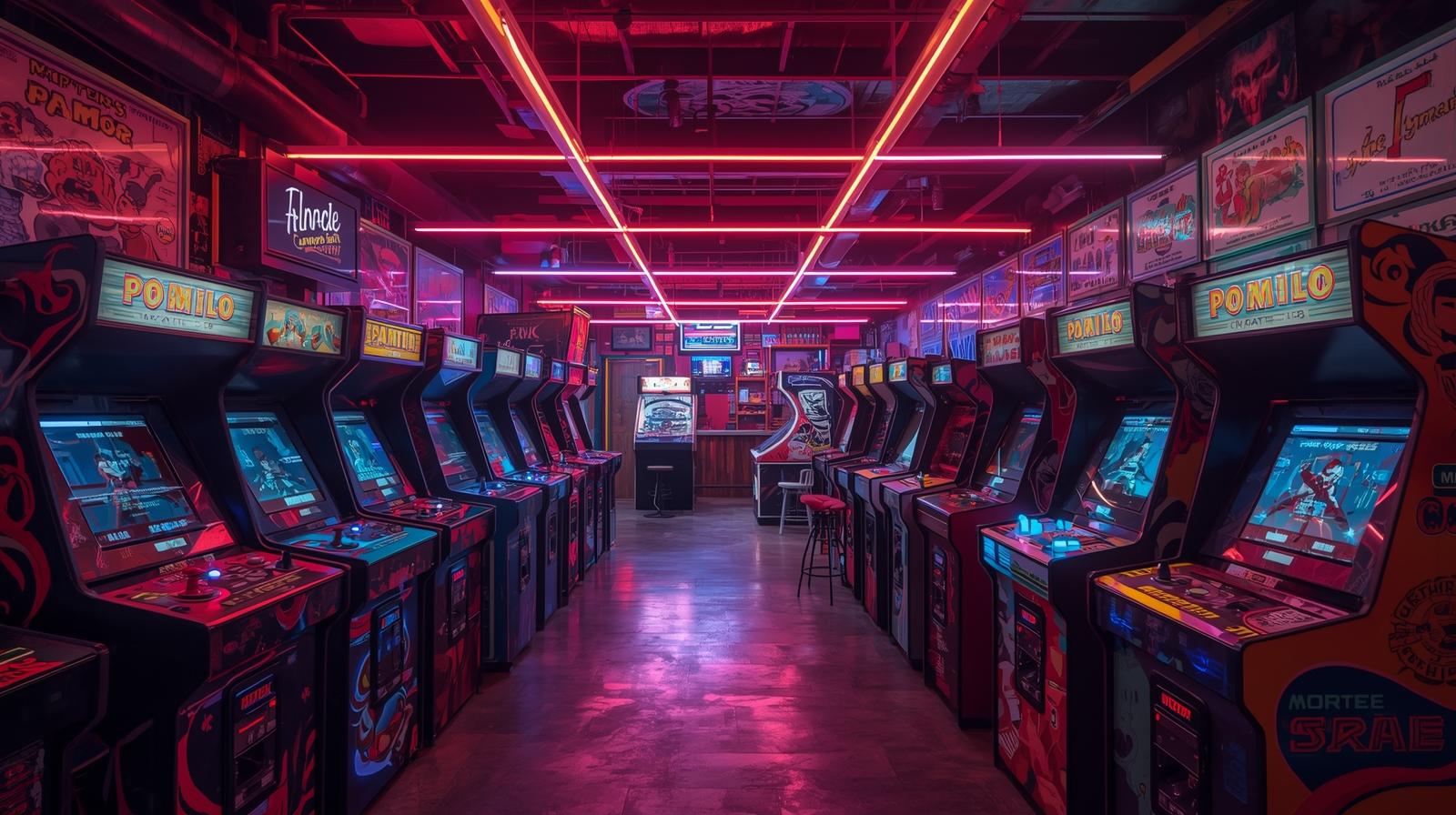
Retro Gaming Arcades That Inspire Modern Creative Hubs Introduction In the rapidly evolving landscape of urban culture, where technology and nostalgia...
Introduction
In the rapidly evolving landscape of urban culture, where technology and nostalgia collide, retro gaming arcades are undergoing a renaissance. Once the pulsating heart of social interaction for gamers in the 80s and 90s, these arcades are reincarnating as modern creative hubs. They blend the charm of vintage gaming with contemporary flair, offering an immersive experience that attracts retro enthusiasts and modern creators alike. Let’s dive deeper into this fascinating intersection where nostalgia meets innovation, exploring how retro gaming arcades are inspiring the creative spaces of today.
The Resurgence of Retro Gaming Arcades
The retro gaming arcade is more than just a place to relive your childhood; it's a vibrant community that fosters creativity and collaboration. As urban centers have become increasingly digitized, a growing number of retro-themed arcades have sprouted, serving as sanctuaries for those seeking a break from their screens. Remember those sun-drenched afternoons spent in front of the latest arcade titles? This revival encapsulates not just the games of yesteryear but also the communal spirit that gaming fosters.
Why Retro Games Still Matter
Often dismissed as relics of the past, retro games possess a charm that is both timeless and grounding. The pixelated graphics, synthesized soundtracks, and simple yet addictive gameplay create an atmosphere that’s hard to replicate in today’s hyper-realistic gaming environment. Many modern creative spaces are taking notes from these old-school designs, catering to a generation that craves both authenticity and interaction.
The appeal of retro gaming goes beyond just the games themselves; it’s about the experience. Arcades foster communities where players share strategies, battle against each other, and create lasting memories. This communal aspect resonates with the ethos of many modern creative hubs that aim to cultivate collaboration and innovation. For instance, just as players lined up for their turn on the joystick, modern creatives are now networking at communal workspaces, brainstorming their next big idea over a round of vintage arcade games.
Creative Spaces Inspired by Vintage Vibes
Today’s modern creative hubs are taking cues from retro gaming arcades in ways that extend beyond mere aesthetics. These spaces are designed to facilitate idea generation and stimulate creativity, much like the environments of vintage arcades where players felt inspired to push their skills and think outside the box. Here’s how retro gaming arcades are influencing the design and culture of modern creative hubs.
Adaptive Use of Space
One of the most notable characteristics of retro gaming arcades is their use of space. With an arrangement that encourages movement, interaction, and connection, these venues are designed to keep you engaged. Imagine stepping into a modern creative hub that mimics this engaging layout—open seating arrangements, cozy nooks for brainstorming, and communal tables inspired by the layout of arcade game machines.
Modern creative spaces are increasingly adopting flexible layouts that foster collaboration and organic interactions, reminiscent of the arcade game atmosphere. By integrating elements from retro gaming, these creative hubs become more than just places to work; they transform into environments where ideas flourish. Whether it’s a dedicated gaming corner or a nostalgia-laden wall of pixel art, these design choices invite participants to tap into their playful side, unlocking creative potentials.
Incorporating Technology with a Nostalgic Twist
Another fascinating aspect of how retro gaming arcades inspire modern creative hubs is the blend of old-school charm with cutting-edge technology. Many arcades now incorporate augmented reality (AR) and virtual reality (VR) into their gaming experiences, bringing retro games to a whole new level. This intersection becomes a springboard for creative minds in today’s spaces.
Imagine conducting a brainstorming session where participants can use AR glasses to visualize their ideas in real-time, supported by the ambience of classic arcade sounds. The mix of nostalgia and modern tech creates an invigorating atmosphere, encouraging innovation while remaining rooted in the charm of the past. Creatives can take lessons from these retro tech adaptations, whether through gamifying processes or using creative visuals reminiscent of 8-bit art styles.
The Cultural Significance of Modern Retro Hubs
The rise of retro-themed gaming arcades has broader cultural implications, reshaping notions of community and creativity in urban settings. As we move into an era defined by fast-paced technology, these hubs emphasize the importance of authenticity, interaction, and nostalgia.
Building Community through Games
As creative hubs evolve, they often embrace the same values that retro gaming arcades upheld. They become community-centric spaces where individuals from varied backgrounds gather to collaborate and innovate. This sense of belonging is vital, particularly in today's rapidly changing urban landscape. Like players cheering for each other after a high score, creative professionals in these hubs support and motivate one another, forging connections that extend beyond the workspace.
Beyond just gaming, many modern creative spaces host events that can evoke the nostalgia of classic arcade competitions—think local tournaments, game nights, and even retro-themed challenges that resonate with millennials and Gen Z alike. These activities not only attract attention but also foster a sense of camaraderie.
Driving Innovation in Design and Culture
The aesthetics of contemporary creative hubs are profoundly influenced by retro gaming culture. Think neon lights, pixelated art, and wooden cabinetry that harkens back to beloved arcade days. Designers are increasingly applying these nostalgic visuals to modern concepts, breathing new life into space design while attracting a wide audience.
Moreover, the principles of gameplay—collaboration, strategy, and competition—are being adopted in various sectors, emphasizing collective success. The gamification of professional environments helps foster an engaging workplace culture, encouraging creative problem-solving and innovation. By recognizing the success of retro games in keeping players invested, modern creative hubs employ similar strategies to enhance team dynamics and productivity.
Conclusion
The nostalgia of retro gaming arcades continues to shape contemporary urban landscapes, providing both inspiration and a template for modern creative hubs. By marrying the communal essence of old-school gaming with the innovations of today, these spaces cultivate environments that are not just about productivity, but also connection and creativity.
As we celebrate retro gaming culture, we recognize its important role in shaping the future of collaboration and innovation. Whether you're a gaming enthusiast or a creative professional seeking inspiration, the resurgence of retro gaming arcades serves as a powerful reminder of the simple joys that can ignite our imaginations and motivate our pursuits. Embrace this nostalgia, and rest assured that it will influence the creative landscapes we inhabit for years to come.
How Does This Hit You?


No comments yet. Be the first to weigh in.