AI-Generated Music Belongs on the Charts — Fight Me Opening Question Should AI-generated music occupy a space on mainstream charts alongside human-cre...
Opening Question
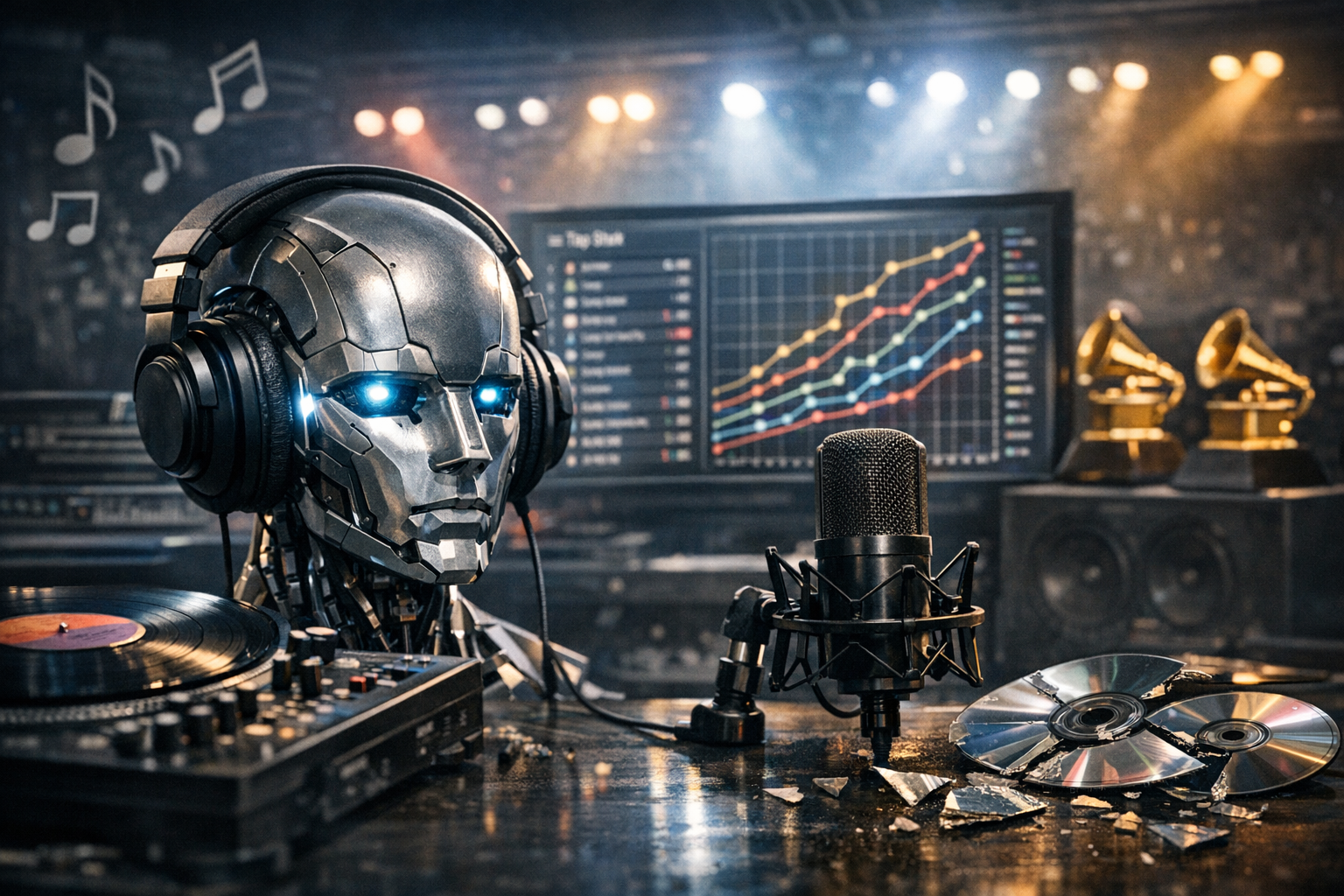
Should AI-generated music occupy a space on mainstream charts alongside human-created songs? This question surfaces amidst a rapid evolution in music creation technologies, igniting conversations about artistry, authenticity, and the future of music itself.
Context
Over the past few years, artificial intelligence has made significant strides in music composition, leading to generated tracks that often rival human efforts. With tools like Suno AI and others emerging, the debate has been reignited: can these creations rightfully share the top spots on music charts? This question has taken center stage in discussions at record labels, streaming platforms, and among music enthusiasts. As musicians grapple with innovations like AI, understanding the implications of AI music in popular culture is more timely than ever.
Expert Perspectives
Perspective: Innovation and Inclusion
David Cope, a composer and AI music pioneer, argues that AI-generated music is a natural evolution in the musical landscape. He asserts, "If we can celebrate the creativity that comes from human ingenuity, we must also welcome AI as an extension of that creativity. Music should not be confined to traditional boundaries, and the charts should reflect this diversity."
Cope emphasizes that AI can open doors for new voices and styles that may previously have been marginalized. By integrating AI-generated music into mainstream charts, platforms could foster a more inclusive approach to music appreciation.
Perspective: Preservation of Artistry
Maria Schneider, a Grammy-winning jazz composer, presents a starkly different perspective. Schneider expresses concern that AI-generated music lacks the emotional depth and personal experience inherent to human-created works. "Music is deeply tied to the human experience and our stories. To place AI on the same pedestal as our craft risks diluting the artistry that defines music," she argues.
According to Schneider, the charts should remain a reflection of human creativity and emotional investment, values she feels are compromised by the mechanical nature of AI-generated songs. She advocates for a dedicated space for AI music but insists it shouldn't occupy the same space as traditional music, emphasizing the need to maintain artistic integrity.
Perspective: Conceptual Creativity
Brian Eno, a renowned music producer and conceptual artist, provides a middle ground. Eno acknowledges the potential of AI-generated music to expand artistic boundaries while also recognizing the concerns raised by artists like Schneider. "AI should not replace musicians, but it can serve as a collaborator, providing new tools that shape the creative process," he states.
Eno suggests that AI-generated compositions could be recognized in their own right on charts specifically for AI music, allowing traditional artists and AI creators to coexist without undermining human creativity. He posits that as the music landscape evolves, so too should our definitions and criteria for what garners chart success.
Editorial Synthesis
Where experts agree
- AI can offer new avenues for creativity in music.
- There is a consensus that the traditional notions of artistry and authenticity are being challenged by AI developments.
- All experts recognize the growing influence of AI music as a relevant topic in contemporary discourse.
Where experts disagree
- The acceptance of AI-generated music on mainstream charts: Cope advocates for inclusion, while Schneider argues against it.
- The emotional and artistic depth of AI-generated music: Schneider stresses the lack of human connection, whereas Eno sees potential for collaboration.
- The classification of AI music: Should it have its own category, or can it coexist with human-created genres?
Why This Matters
The debate surrounding AI-generated music is not solely about the sounds being produced; it reflects a deeper inquiry into the nature of creativity itself. As societal implementations of AI technology grow, so does the necessity of addressing how these tools interact with human artistry. This dialogue is pivotal for artists, producers, and consumers alike, underscoring the importance of protecting artistic integrity while adapting to an evolving landscape.
As we stand at this crossroads, recognizing the potential threats posed to human artists by AI must not overshadow the opportunities for artistic expansion and collaboration. Balancing these facets will determine the future of music charts and, ultimately, the music we embrace.
In a world increasingly influenced by artificial intelligence, the charts we celebrate must represent a symbiosis of the old and new, striking a balance between the artistry of human musicians and the innovative potential of AI.
Embracing the Future of Music
The debate over AI-generated music and its place on mainstream charts is a reflection of the evolving musical landscape. While traditionalists like Maria Schneider highlight the irreplaceable emotional depth of human artistry, innovators such as David Cope point to the potential of AI to expand musical horizons and inclusivity. By acknowledging AI's contributions, we can embrace a more diverse musical future that celebrates both human creativity and technological advancements. Rather than viewing AI as a threat to artistry, we should see it as an opportunity to redefine what music can be and to foster new voices within the industry. As we move forward, the charts should indeed welcome AI-generated music, creating a space where innovation and tradition can coexist, enriching the tapestry of our musical culture.
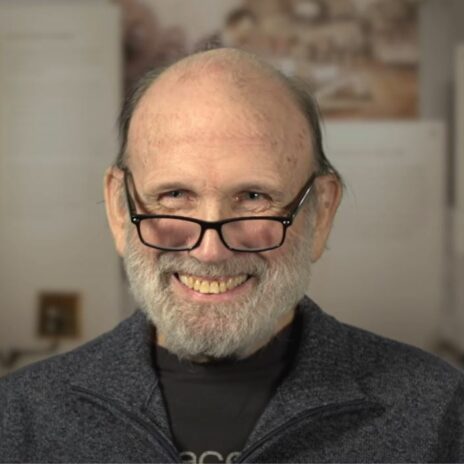
David Cope
Composer and AI Music Pioneer
"AI-generated music enhances creativity by offering new possibilities for sound and composition. It democratizes music creation and allows for diverse voices that can compete on the same charts as traditional artists."
𝕏 David Cope in David Cope
Maria Schneider
Grammy-winning Jazz Composer
"While AI-generated music can be innovative, it raises questions about authorship and authenticity. There must be a balance to ensure that human artistry is not overshadowed by technology."
𝕏 Maria Schneider in Maria SchneiderBrian Eno
Music Producer and Conceptual Artist
"AI-generated music is not a replacement for human creativity but a new form of artistic expression. It should absolutely have a place in commercial charts, reflecting the evolution of our musical landscape."
𝕏 Brian Eno in Brian EnoHow Does This Hit You?



No comments yet. Be the first to weigh in.