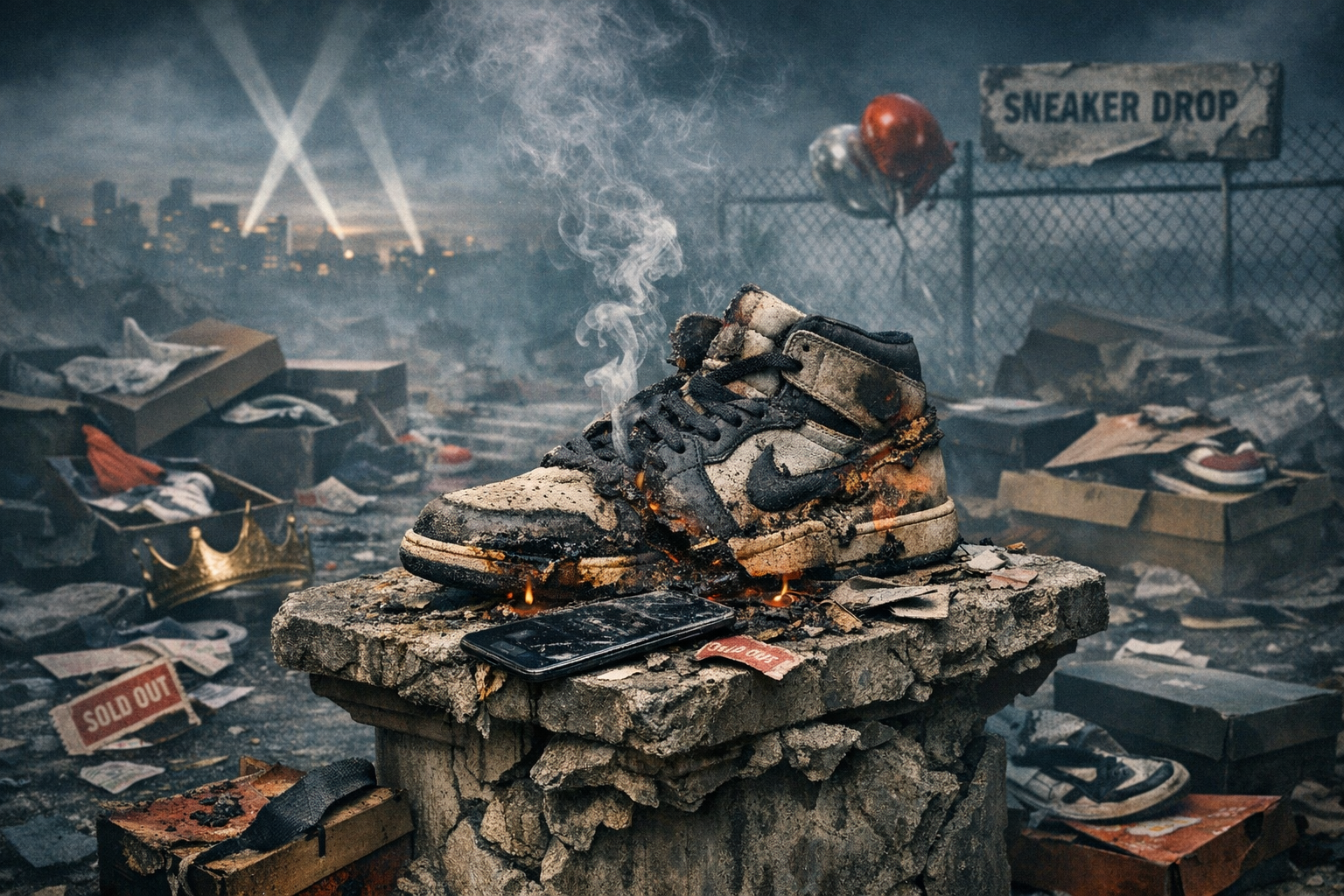
Opening Question Are sneaker drops really serving their intended purpose, or have they devolved into a chaotic spectacle driven by hype culture? In re...
Opening Question
Are sneaker drops really serving their intended purpose, or have they devolved into a chaotic spectacle driven by hype culture? In recent years, the once-exciting experience of securing limited-edition sneakers has been marred by bot-driven saturation and rampant speculation, prompting a reckoning within sneaker culture itself.
Context: Why This Matters Now
The rise of sneaker hype culture has reshaped the landscape of footwear and collectible markets. With brands like Nike and Adidas dropping limited releases that fly off virtual shelves, the dynamics of reselling on platforms like StockX have led many enthusiasts to question if the sneaker drop model is sustainable. As the lines blur between genuine collectors and opportunistic resellers, understanding the implications of this phenomenon has never been more urgent.
Expert Perspectives
Perspective: The Hype is Unsustainable
Ben Fenton, Co-founder of Hypebeast, argues that the current model of sneaker drops is indeed broken. "When sneaker drops become less about the sneakers and more about the hype, the brands themselves risk losing connection with their most loyal customers. What started as a way to create exclusivity has morphed into a frenzy that ultimately alienates many." He notes that the prevalence of sneaker bots has exacerbated the issue, allowing resellers to snatch up stock almost instantaneously, making it nearly impossible for genuine buyers to participate in the excitement.
This sentiment is echoed in various online forums where newcomers express their frustrations over failed drop attempts, only to witness those same sneakers reappear at inflated prices on reseller platforms. Fenton’s assessment raises questions about whether brands might soon find themselves facing a backlash from their consumer base.
Perspective: The Market Will Adjust
Elliott Curtis, Founder of Sole Collector, approaches the conversation from a different angle. He contends that while hype culture has created challenges, it is not beyond recovery. "The market is self-correcting. There is a saturation point, and brands will eventually realize that the unchecked hype isn’t sustainable for their long-term brand health. In a sense, they are creating their own monsters."
Curtis argues that the introduction of more transparent resale markets and the adoption of measures like raffles for drops can help restore balance. "The sneaker community is too ingrained to simply disappear, and as brands begin to acknowledge their role in this cycle, you'll see a shift back towards collectors and authentic engagement."
Perspective: Cultural Impact and Insights
Kimberly Redd, a Cultural Analyst at the Trends Research Institute, offers a broader view on the implications of this trend. "Hype culture goes beyond sneakers; it's a reflection of our current consumer climate. People want to feel part of something, and the community around sneaker drops creates that connection, albeit in a distorted way."
Redd emphasizes that sneakers represent more than just footwear; they symbolize status and belonging within a culture. "As the hype becomes self-perpetuating, we risk creating a cycle that fuels not just demand, but also a deeper cultural identity tied to ownership rather than appreciation."
Editorial Synthesis
Where Experts Agree
- The influence of hype culture on sneaker drops creates significant barriers for genuine consumers.
- Sneaker bots and reselling platforms exacerbate the problem of accessibility.
- A solution must involve the active participation of brands to find a sustainable model.
Where Experts Disagree
- Ben Fenton posits that the current state of sneaker drops risks alienating loyal customers.
- Elliott Curtis believes the market will eventually self-correct, suggesting optimism for future drops.
- Kimberly Redd focuses on the cultural implications beyond footwear, emphasizing identity and community over individual transactions.
Why This Matters
The conversation around sneaker drops and hype culture is not merely a discussion about shoes—it's a reflection of wider consumer habits and social interactions. As sneaker brands grapple with the consequences of their strategies, the challenge lies in creating a feeling of inclusivity without sacrificing the excitement that draws people to this community in the first place.
As cultural analysts like Kimberly Redd highlight, understanding how sneakers are intertwined with identity can lead to more thoughtful engagement strategies from brands. Ultimately, restoring balance in the sneaker ecosystem could pave the way for a more inclusive community where sneaker enthusiasts can enjoy their passion without the looming shadow of insatiable demand and speculation.
In an age where authenticity is becoming increasingly valuable, the future of sneaker drops may well depend on whether brands can pivot to truly embrace their audience, foster genuine engagement, and reassess their role within this vibrant culture.
Rethinking the Hype: A Call for Change in Sneaker Culture
The current state of sneaker drops reflects a troubling disconnect between brands and consumers, driven largely by the insatiable demand for exclusivity and the rampant speculation of resellers. As Ben Fenton poignantly highlights, the thrill of securing a sought-after pair is increasingly overshadowed by the frustrations of authentic enthusiasts who feel left out of the experience. While Elliott Curtis posits that the market may find a natural equilibrium, the reality is that the rise of bots and exploitative reselling practices has skewed the landscape beyond recognition. Therefore, it's imperative for brands to reassess their strategies, re-establish genuine connections with loyal customers, and create more equitable systems that prioritize the true sneaker culture over mere hype. Only then can we hope to revive the joy behind sneaker drops and restore their intended purpose in the community.
Kevin Ma
Co-founder, Hypebeast
"Ben argues that hype culture, while problematic, has fueled creativity and elevated sneaker design. He believes it provides a vibrant community for consumers and artists alike."
𝕏 Kevin Ma in Kevin MaElliott Curtis
Founder, Sole Collector
"Elliott believes that hype culture has damaged the genuine appreciation for sneakers, leading to inflated prices and exclusivity. He argues for a more sustainable, accessible approach to sneaker drops."
in Elliott CurtisKimberly Redd
Cultural Analyst, Trends Research Institute
"Kimberly provides a balanced view, acknowledging both the creativity that hype culture fosters and the issues it creates, advocating for reforms that address accessibility without stifling innovation."
in Kimberly ReddHow Does This Hit You?

No comments yet. Be the first to weigh in.