City-Wide Races: Mapping Urban Space for Safe Free-Running Events In today's vibrant urban landscape, the lines between sports, art, and culture becom...
In today's vibrant urban landscape, the lines between sports, art, and culture become increasingly blurred. Among the adrenaline-fueled activities rising in popularity is free-running, a dynamic sport that challenges individuals to navigate their environments with creativity and agility. As cities evolve and the demand for unique sporting experiences grows, city-wide races designed specifically for free-running enthusiasts are becoming a thrilling phenomenon. In this blog post, we’ll explore how urban spaces can be effectively mapped for safe and exhilarating free-running events that merge community engagement, safety, and the love for extreme sports.
The Rise of Free-Running in Urban Areas
Free-running, often viewed as an extension of parkour, involves navigating through urban obstacles—like walls, railings, and rooftops—with fluid movements and acrobatic techniques. For many athletes, this sport is not just about physicality; it's an expression of creativity and a way to challenge limitations within the urban environment. For cities and event organizers, it offers a unique opportunity to engage local communities, promote health, and invigorate the local economy.
Safety First: The Importance of Mapping Urban Spaces
Organizing city-wide races requires meticulous planning to ensure participant safety while maximizing the enjoyment of the event. Here are several key elements that are essential to map urban spaces effectively:
1. Identifying Safe Routes
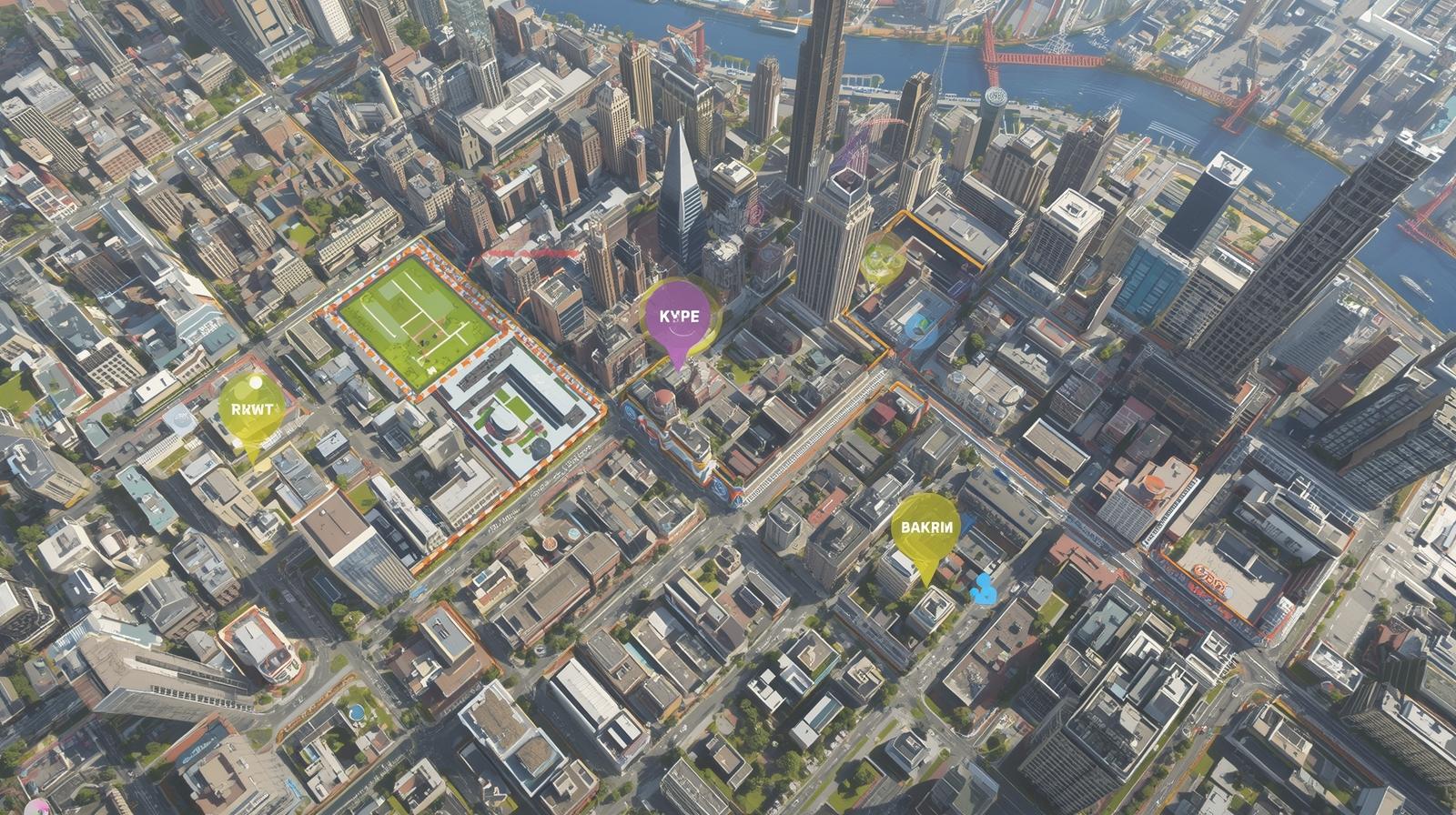
The first step in any successful free-running event is to identify safe routes that avoid high-traffic areas and potential hazards. Event organizers can collaborate with local parkour communities to identify the most popular training spots that double as race routes. Using advanced mapping technologies, such as Geographic Information Systems (GIS), planners can chart areas that not only offer the right obstacles but are also accessible for participants and spectators alike.
Mapping shouldn’t just focus on the physical paths but should also consider emergency exits and first aid stations. A well-planned route will enhance safety and ease the stress of participants. Incorporating rest spots with hydration stations along the route is an excellent way to keep athletes physically prepared and energized.
2. Community Engagement and Urban Design
Involving the community in the planning process is vital for creating an event that feels authentic and relevant. Host informational sessions where local free-running enthusiasts, urban planners, and community members can voice their concerns and ideas. This type of engagement fosters a collaborative environment where input from various stakeholders can lead to innovative solutions.
Local councils can also seize the opportunity to promote urban design that enhances the activity. Creative transformations of public spaces, like pop-up parkour parks or alternative obstacle courses, could provide an exciting backdrop for the race while encouraging extended practices and events. To make changes that are sustainable, cities can work on revitalizing neglected areas, turning them into vibrant spaces for extreme sports and community gatherings.
Utilizing Technology for Enhanced Experiences
Advancements in technology are revolutionizing how city-wide races are organized and experienced. Here are a couple of ways technology can enhance the safety and excitement of free-running events:
1. Real-Time Tracking and Live Updates
Using GPS and mobile apps, participants can receive real-time tracking during the race. This technology allows spectators to follow their favorite athletes from the comfort of their homes or designated viewing areas. It can also assist event organizers by providing data on participant locations, helping to coordinate safety measures and manage crowd control efficiently.
Additionally, apps can feature customizable race routes that allow participants to choose their path based on skill level or preference. This empowers free-runners to explore new routes and adds an element of strategy to the race.
2. Virtual Reality Previews
Before the actual race, utilizing augmented reality (AR) and virtual reality (VR) can provide potential participants with a preview of the course. This technology can help athletes visualize their paths, analyze obstacles, and mentally prepare for their race ahead of time. Furthermore, VR experiences serve as interactive promotional tools for engaging new audiences interested in extreme sports.
Conclusion: A Future of Possibilities
As urban areas continue to grow and diversify, city-wide races for free-running present thrilling opportunities to connect communities, celebrate extreme sports, and innovate urban environments. By prioritizing safety through thoughtful mapping, engaging local communities, and leveraging technology, organizers can create unforgettable experiences that empower athletes and inspire spectators.
Whether you’re a seasoned free-runner, a curious onlooker, or a community advocate, there’s never been a better time to embrace this exhilarating urban sport. So lace up those shoes, hit the streets, and join the movement that’s transforming our cities into playgrounds for the adventurous spirit. Each jump, vault, and roll not only showcases human potential but also redefines the fabric of urban living. The future of free-running is bright, and it’s happening right in our city streets!
How Does This Hit You?

No comments yet. Be the first to weigh in.