How Global Cities Champion Inclusive Public Spaces for Artists and Athletes In an era where urban landscapes are rapidly evolving, the role of public...
How Global Cities Champion Inclusive Public Spaces for Artists and Athletes
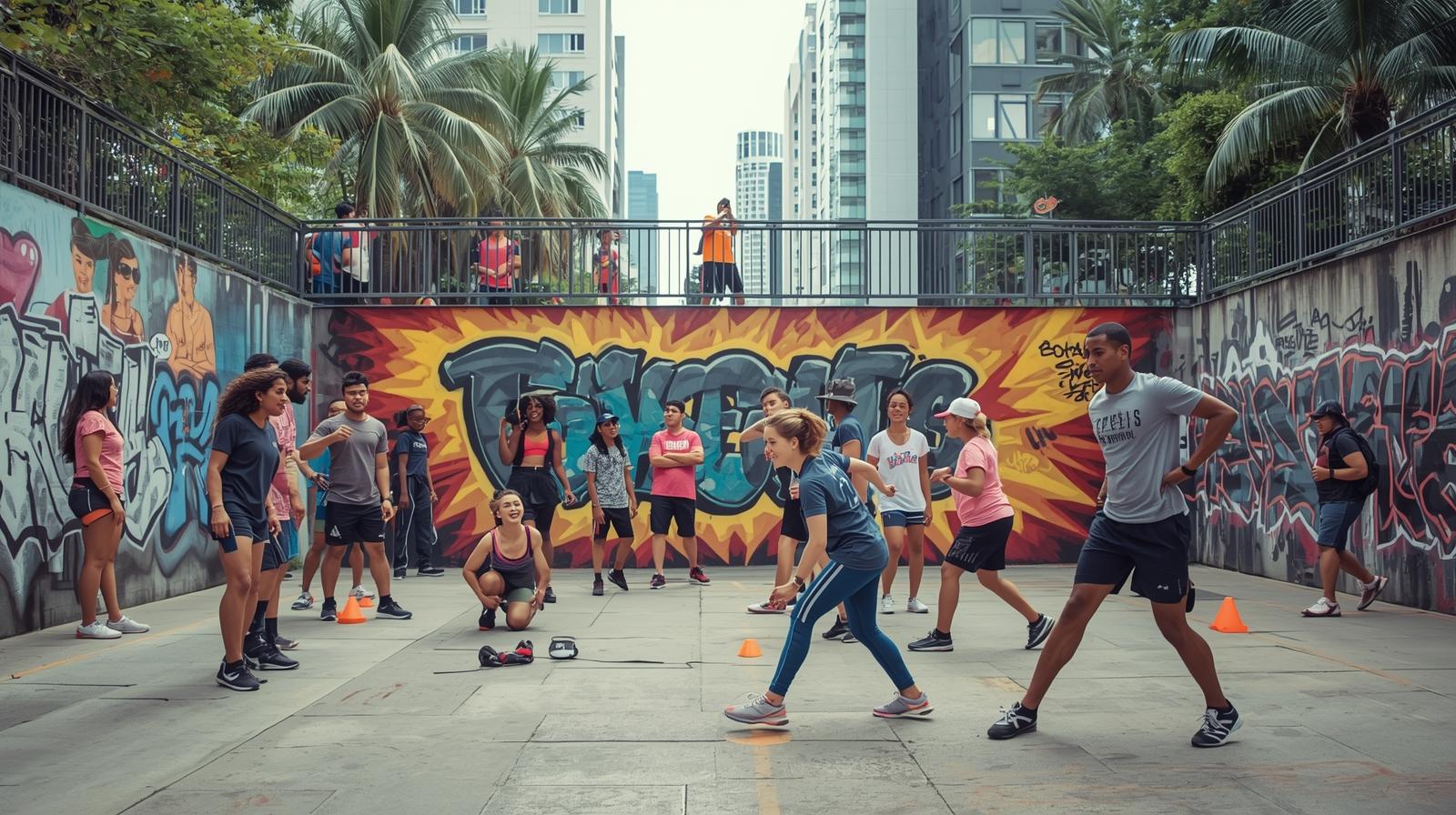
In an era where urban landscapes are rapidly evolving, the role of public spaces in fostering inclusivity has garnered significant attention. Cities around the world are reimagining these communal areas as platforms where artists can express their creativity and athletes can unleash their potential. From skateboard parks lined with vibrant murals to open-air galleries showcasing local art, global cities are leading the charge in creating inclusive environments that celebrate diverse talents.
This blog post dives into how urban spaces are transforming to support artists and athletes, focusing on specific examples, cultural trends, and the benefits of these inclusive initiatives. Let’s explore how cities like Paris, Tokyo, and Detroit champion this creative convergence.
The Creative Canvas: Urban Art as an Expression of Identity
Public spaces have long been a canvas for artists, but cities today are embracing this heritage with renewed vigor. Street art, murals, and performances are transforming mundane urban landscapes into vibrant cultural hubs. Take Paris, for instance. Known for its intimate connection to art and culture, the city has dedicated several districts as “open-air galleries.” These zones are not just about beautifying the city; they serve as an invitation for local artists to share their narratives.
Moreover, public art initiatives often prompt dialogue among community members. Several projects, like Art on the Atlanta Beltline, aim to amplify marginalized voices, addressing social issues while enhancing aesthetic appeal. In this context, urban art transcends the canvas and becomes a medium for social change. When artists find a platform to express their creativity, the ripple effects can alter perceptions, foster community pride, and ultimately contribute to the urban identity.
Cities are increasingly recognizing that fostering an environment for artists goes hand in hand with attracting tourism and investment. As more visitors flock to these culturally rich spaces, the local economy benefits, resulting in higher sales for local businesses and an uptick in job opportunities. In this delicate symbiosis, artists gain visibility, while the urban spaces benefit from the cultural vibrancy they provide.
Athletes Unite: Inclusive Sports Facilities in Urban Environments
Just as public art promotes inclusivity, so too do modern urban athletic spaces. The shift from exclusive sports facilities to community-oriented, free-access environments has marked a significant change in how cities cater to athletes. For example, cities like Barcelona and Vancouver have prioritized the development of multi-sport complexes that offer something for everyone—crucially, without exorbitant fees.
Take the Skate Park at Venice Beach, California, which has become a global icon for skateboard culture. Not only does this park offer local skaters a safe space to hone their skills, but it also serves as a hub for various activities that bridge the gap between different communities. Faced with a prolific skateboarding scene, the city has embraced this culture, designing inclusive spaces that cater to beginners and seasoned pros alike.
Inclusive public sports facilities can also cater to varying levels of ability. Urban parks equipped with adaptive sports features, like wheelchair-accessible basketball courts and inclusive play areas for children, validate the idea that sport should be for everyone. The beauty of such installations is the camaraderie they foster among athletes from diverse backgrounds and skill levels, creating a communal bond that transcends socioeconomic divides.
Future-Forward: Technology in Public Spaces
As we venture deeper into the 21st century, technology plays an increasingly significant role in shaping inclusive public spaces. Cities are harnessing smart technology to foster community engagement and support artistic expression. Think of it as a digital extension of the traditional urban environment, where artists and athletes can leverage new mediums and enhance their practices.
For instance, augmented reality (AR) is slowly revolutionizing how urban art is experienced. Participatory digital art installations are allowing visitors to interact with works in innovative ways. In various cities, AR applications enable users to view hidden aspects of murals or trigger performances with their smartphones, blurring the lines between the artist and the audience.
Moreover, cities are experimenting with data-driven approaches to enhance public space usability. For instance, sensors can track foot traffic patterns in parks or artistic zones, allowing planners to create more responsive environments that anticipate needs. Do people favor morning yoga sessions by the river’s edge? Are art installations garnering more foot traffic on weekends? By gathering and analyzing data, urban planners can make informed decisions that enhance inclusivity and access.
Conclusion: The Urban Future is Inclusive
From Paris to Vancouver, global cities are championing a future where public spaces are accessible and inclusive for both artists and athletes. The shifting paradigms of urban culture emphasize that creativity and athleticism are not confined to specific demographics; rather, they thrive when nurtured in collaborative environments.
As we look toward the future, the question remains: Are cities ready to fully embrace this trend, or will they cling to outdated paradigms that prioritize exclusivity? The potential benefits of inclusive public spaces are indisputable—enhanced community engagement, economic growth, and artistic innovation.
For readers of RollingRhythm, every corner of urban culture offers a narrative waiting to unfold. As cities evolve and embrace inclusivity, they will continue to be a fertile ground for creativity, collaboration, and community. Are you ready to explore the cultural revolution in your city? Explore, create, and celebrate the vibrant tapestry that urban spaces have to offer.
How Does This Hit You?
No comments yet. Be the first to weigh in.