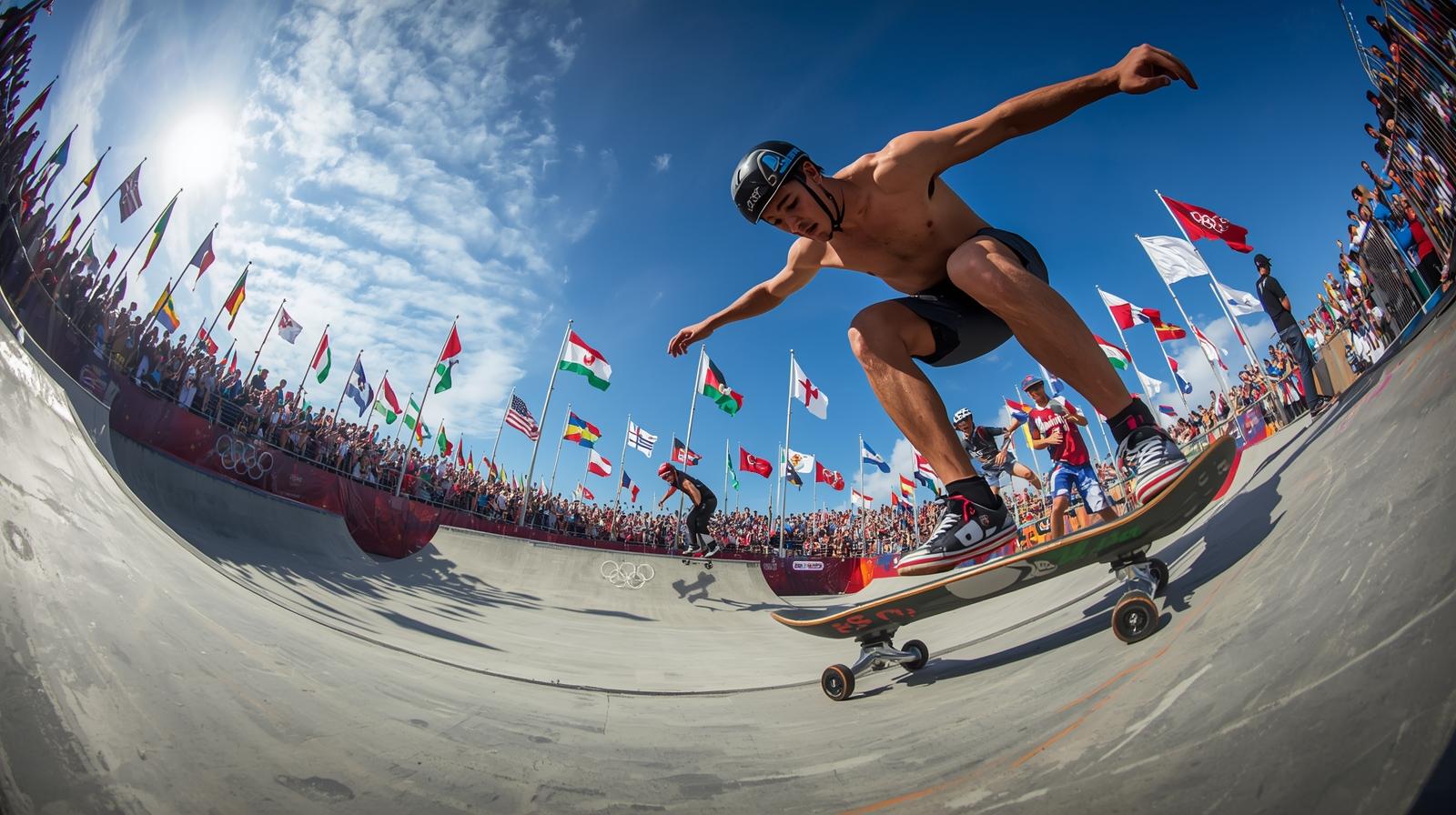
In 2021, skateboarding made its Olympic debut at the Tokyo Summer Games, marking a watershed moment for both the sport and its vibrant culture. As athletes from around the world showcased their skills on an international stage, skateboarding was no longer just an underground activity; it had arrived as a legitimate sport, recognized for its artistry and athleticism. Fast forward to today, and it's clear that the impact of the Tokyo Olympics has reverberated through the skateboarding community in various ways. In this blog post, we’ll explore the changes that have occurred in the skateboarding world since Tokyo, focusing on its cultural acceptance, athlete preparations, and what the future might hold for the sport as it gears up for upcoming competitions.
The Cultural Shift: From Streets to Mainstream
Tokyo 2020 was a turning point that propelled skateboarding into the mainstream. For decades, the sport faced stigma as a rebellious subculture, often associated with anti-establishment sentiments. However, with the Olympics showcasing its expressive style, skateboarding has begun to change perceptions and expand its reach.
The Rise of Skateboarding as a Lifestyle
In urban areas around the globe, skateboarding is no longer confined to skate parks and back alleys. From trendy boutiques to urban design projects, skate culture has infiltrated the cities, influencing architecture, fashion, and even advertising. Brands are increasingly collaborating with pro skaters to launch lifestyle products that resonate with both skating enthusiasts and casual fans alike. You might find streetwear lines inspired by the sport or even skateboard-inspired art installations in public spaces, indicating that society is beginning to embrace skateboarding as not just a sport but a lifestyle.
Moreover, social media platforms have played a significant role in this cultural metamorphosis. Platforms like Instagram and TikTok have become stages where skateboarders can showcase their skills and creativity. This digital exposure allows skaters to connect with diverse audiences, helping to dismantle the outdated notions surrounding skate culture. Users can witness everything from jaw-dropping tricks to heartwarming community initiatives, further bridging the gap between skating and urban lifestyle.
New Sponsorship Opportunities
The Olympics also acted as a catalyst for brand investment in skateboarding. Major companies took notice of the impressive viewership numbers and began pouring resources into sponsorship, which is essential for athletes as they hone their craft. For many up-and-coming skaters, the newfound recognition opens doors to sponsorship deals that had previously seemed unattainable. This financial backing enables talents to pursue their dreams fully and invest in the necessary training and equipment.
Skateboarding is seeing more inclusive sponsorship proposals aimed at diversifying the talent pool. As brands understand the importance of representation, they are seeking partnerships with athletes from varying backgrounds, thereby enriching the culture further. This commitment not only empowers skaters but also raises awareness about skateboarding as a universal sport that welcomes everyone.
Athlete Development: Training Paradigms Shift
Following Tokyo, athletes recognized the need for a paradigm shift in their training methodologies. Competing on an Olympic stage demands not just raw talent but also strategic preparation and physical conditioning.
Structured Training Regimens
Athletes are now embracing structured training programs designed to improve their performance. Coaches from various sports backgrounds are collaborating with pro skaters to incorporate techniques that aid athletic development—everything from strength and conditioning workouts to mental conditioning sessions aimed at boosting focus and resilience during high-pressure competitions.
Additionally, the proliferation of online platforms has made access to training resources more attainable for skaters at all levels. Tutorials, virtual coaching, and workshops are becoming commonplace, allowing even hobbyists to refine their skills. For instance, YouTube channels dedicated to learning tricks, technique breakdowns, and competition prep have become popular among people eager to break into the sport.
Emphasis on Mental Health
Just like traditional athletes, skateboarders are increasingly acknowledging the mental health aspects of their sport. The pressure to perform, combined with the visibility afforded by social media, can take a toll. Many elite skaters are becoming advocates for mental wellness, sharing their journeys and encouraging open dialogue within their communities. This shift allows athletes to support one another, reducing feelings of isolation and promoting a healthier approach to success.
What Lies Ahead for Skateboarding?
As skateboarding continues to evolve, the Olympic stage has opened new avenues for its development. Upcoming events, including the Paris 2024 Summer Games, promise to be even bigger, with more skaters aiming for gold and sponsors looking to invest. However, what does the future hold beyond the competition?
Innovations in Skateboarding Gear and Tech
As the sport attracts more attention, so does the technology surrounding it. Innovations in skateboard design, protective gear, and even digital platforms are on the cusp of revolutionizing how the sport is experienced. Companies are experimenting with eco-friendly materials to create sustainable skateboards, fostering an alignment between skate culture and environmental consciousness—an increasingly vital narrative in urban lifestyles.
Furthermore, augmented reality (AR) is finding its way into the skating realm. Imagine donning AR glasses that not only help you track your tricks but also offer real-time feedback, guiding you to perfect difficult maneuvers. Such innovations could fundamentally change how skaters train and compete, blending digital realms with the physical world.
Community Engagement and Inclusivity
Finally, the idea of community engagement is more significant now than ever. With more organizations focusing on inclusivity through programs aimed at children and underrepresented communities, we may soon see a new wave of diverse talent emerging in the sport. Collaborations between skate groups and educational institutions are beginning to take shape, providing skill-building programs that champion creativity and resilience.
Conclusion
Since its debut in Tokyo, skateboarding has experienced a monumental transformation, evolving from an underground pastime into a celebrated sport woven into the fabric of urban lifestyle. As its culture intertwines with fashion, technology, and mental health awareness, the possibilities for what skateboarding can become are limitless. With the upcoming Paris 2024 Olympics on the horizon, the excitement and anticipation surrounding the sport will only continue to grow, leading to a future where skating isn't just an activity but a worldwide phenomenon. Embrace the ride—it's about to get even more thrilling!
How Does This Hit You?

No comments yet. Be the first to weigh in.