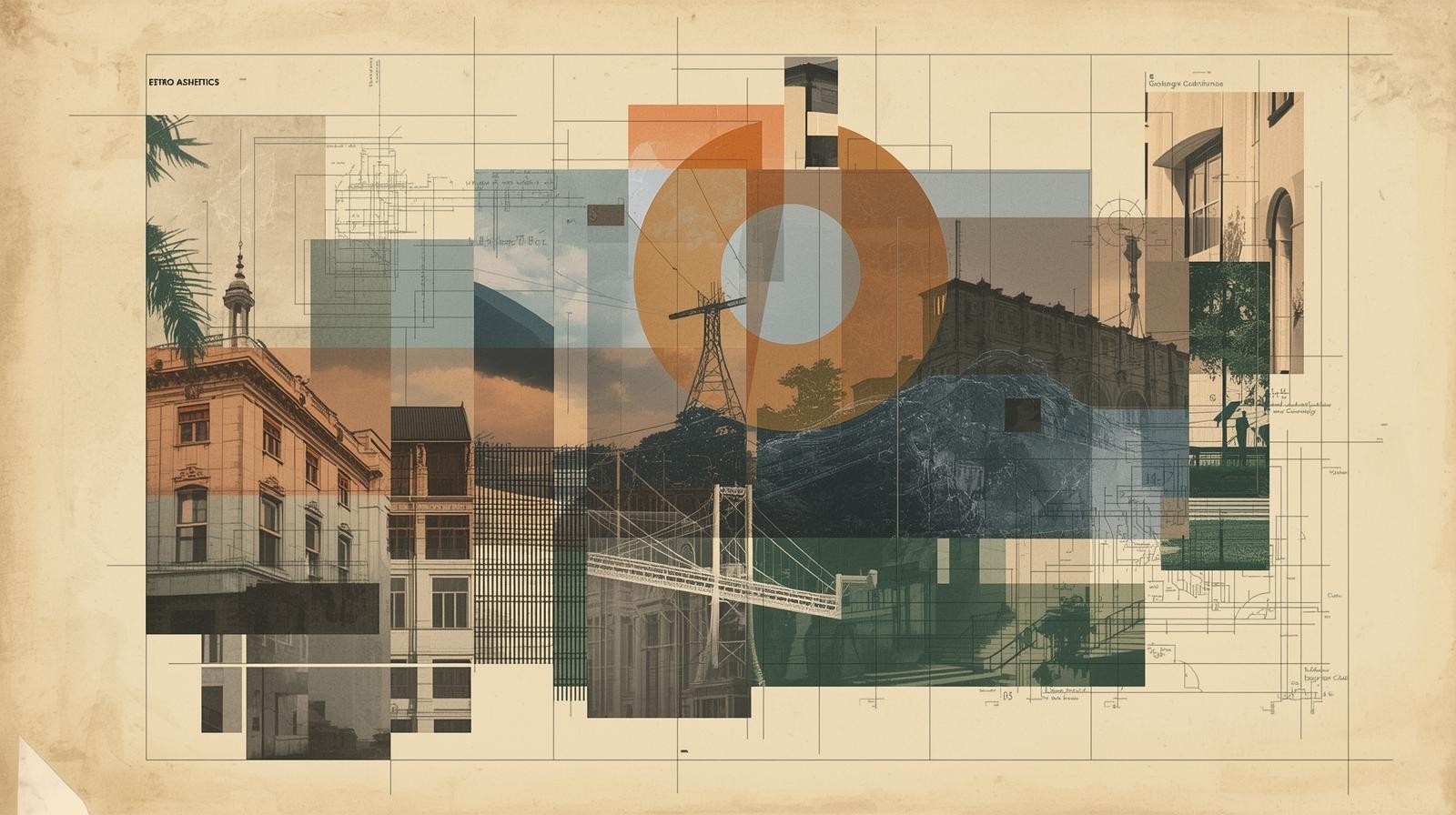
Why Retro Aesthetics Anchor Today’s Experimental Urban Designers Urban design is an ever-evolving field, swinging like a pendulum between tradition an...
Urban design is an ever-evolving field, swinging like a pendulum between tradition and innovation. As technology advances and urban environments transform, designers often seek inspiration from the past—especially from aesthetics that resonate deeply with collective nostalgia. This blog delves into why retro aesthetics anchor today's experimental urban designers, exploring how these stylistic choices not only pay homage to history but also create vibrant, engaging spaces that reflect contemporary lifestyles.
Embracing Nostalgia in Urban Spaces
The Power of Retro Culture
Nostalgia operates as a powerful emotional connector, evoking memories tied to simpler times. Urban designers today leverage retro aesthetics to tap into this emotional reservoir, creating spaces that inspire a sense of familiarity and comfort amid the chaos of modern life. For instance, the integration of mid-century modern designs or vibrant 80s color palettes into urban settings reflects a yearning for vibrancy and individuality. This movement isn’t just about plastering old designs across new constructions; it’s about cultivating environments that resonate with diverse demographics, from millennials enchanted by early digital culture to Gen Z individuals influenced by the revival of vintage fashions.
In cities like Portland and Austin, we see public parks adorned with whimsical 70s-inspired art installations, retro furniture designed for communal spaces, and even water features reminiscent of iconic amusement parks. These elements draw on nostalgia while fostering active community engagement. For urban planners, such implementations encourage a dynamic synergy between residents and their environment, offering spaces that invite exploration and interaction.
Urban Space Reimagined through Retro Lens
Retro aesthetics are more than just eye candy; they serve as a framework through which designers can reinterpret urban spaces. Today’s experimental urban designers often introduce elements that blend historical charm with modern functionality. This fusion can be seen in everything from streetscapes adorned with classic neon signage to facades featuring patterned tiles reminiscent of bygone eras, all while integrating smart technology and sustainable materials.
Take, for example, the revival of retro diners in urban settings. These establishments are not just places to eat; they’re community hubs that evoke a sense of nostalgia while incorporating modern efficiency. Designers are increasingly utilizing vintage diner concepts interwoven with state-of-the-art kitchens and sustainable practices, proving that retro can coexist with innovation.
Moreover, retro aesthetics invite the use of diverse materials that contribute to urban resilience. Think brick walkways coupled with green infrastructure that reminisce about cobblestone streets. This blend creates a multidimensional spatial experience that speaks to local history while addressing contemporary ecological concerns. Urban designers today can seamlessly weave vibrant stories from the past into the environmental narratives of the future.
The Intersection of Retro Aesthetics and Technology
Retro Tech Meets Urban Life
The fusion of retro aesthetics with cutting-edge technology creates innovative urban experiences. Designers are increasingly pulling inspiration from retro tech—think vintage arcade games, cassette tapes, and classic video game graphics—to shape public art installations and communal spaces. This playful integration not only aligns with the interests of younger generations who are entrenched in nostalgia but also invites interactivity.
Imagine urban parks where classic arcade games power public spaces or immersive installations that allow visitors to engage in play reminiscent of the gaming golden age. This embodiment of retro culture helps in crafting unique experiences that not only pay homage to past innovations but also create a dialogue with today's technology-centric lifestyles.
Virtual and augmented reality have also found a place in retro-inspired urban design. Through immersive experiences, designers can bring to life the vibrancy of a retro era, showcasing historical events or recreating “lost” landmarks, all while teaching urbanism's evolution. This blend of history and tech cultivates an engaging dialogue about how urban environments have transformed and where they could be headed next.
Gaming Culture as Design Inspiration
Gaming culture is a powerful tool that fuels urban design rooted in nostalgia. The aesthetics, imagery, and landscapes found in various video games lend a unique perspective to how urban spaces can be designed and experienced. Retro gaming—particularly, pixel art and side-scrolling worlds—invites designers to create playful environments that hark back to classic games while appealing to modern sensibilities.
Incorporating elements that mimic gaming landscapes can transform parks and public squares into vibrant, interactive spaces. Think of playgrounds inspired by retro games. They become not just spaces for children but also cultural landmarks that encourage community interaction. The result? Fostering connections through shared experiences while reinvigorating interest in urban design.
This meshing of gaming culture with urban design is also reflected in eSports arenas that warmly invite viewers into retro-inspired lounges, combining nostalgia with the rising digital landscape. From retro-themed viewing parties to pop-up game nights in public spaces, urban designers can create environments that are both functional and evoke nostalgia.
Conclusion: Crafting Tomorrow with Yesterday in Mind
As we continue navigating the complexities of urban design in a rapidly changing world, the use of retro aesthetics serves as a grounding force. It allows designers to reflect on history while crafting innovative solutions that honor tradition and respond to contemporary needs. By embracing nostalgia, urban designers not only create inviting spaces that resonate with people on an emotional level but also foster dynamic, community-focused environments.
In a world saturated with constant change and rapid technological advancements, the integration of retro elements into urban design provides an anchor—a bridge between the past and future. It encourages exploration and discovery while inviting communities to engage with their environments in meaningful ways.
So the next time you find yourself wandering through a beautifully designed urban space that feels familiar yet innovative, take a moment to appreciate the thoughtful blend of past aesthetics with future-focused technology. The design choices embedded in our cities reflect a desire to create not just functional environments but also vibrant cultural tapestries that celebrate our collective journeys—past, present, and future.
How Does This Hit You?

2yyiw5
2yyiw5