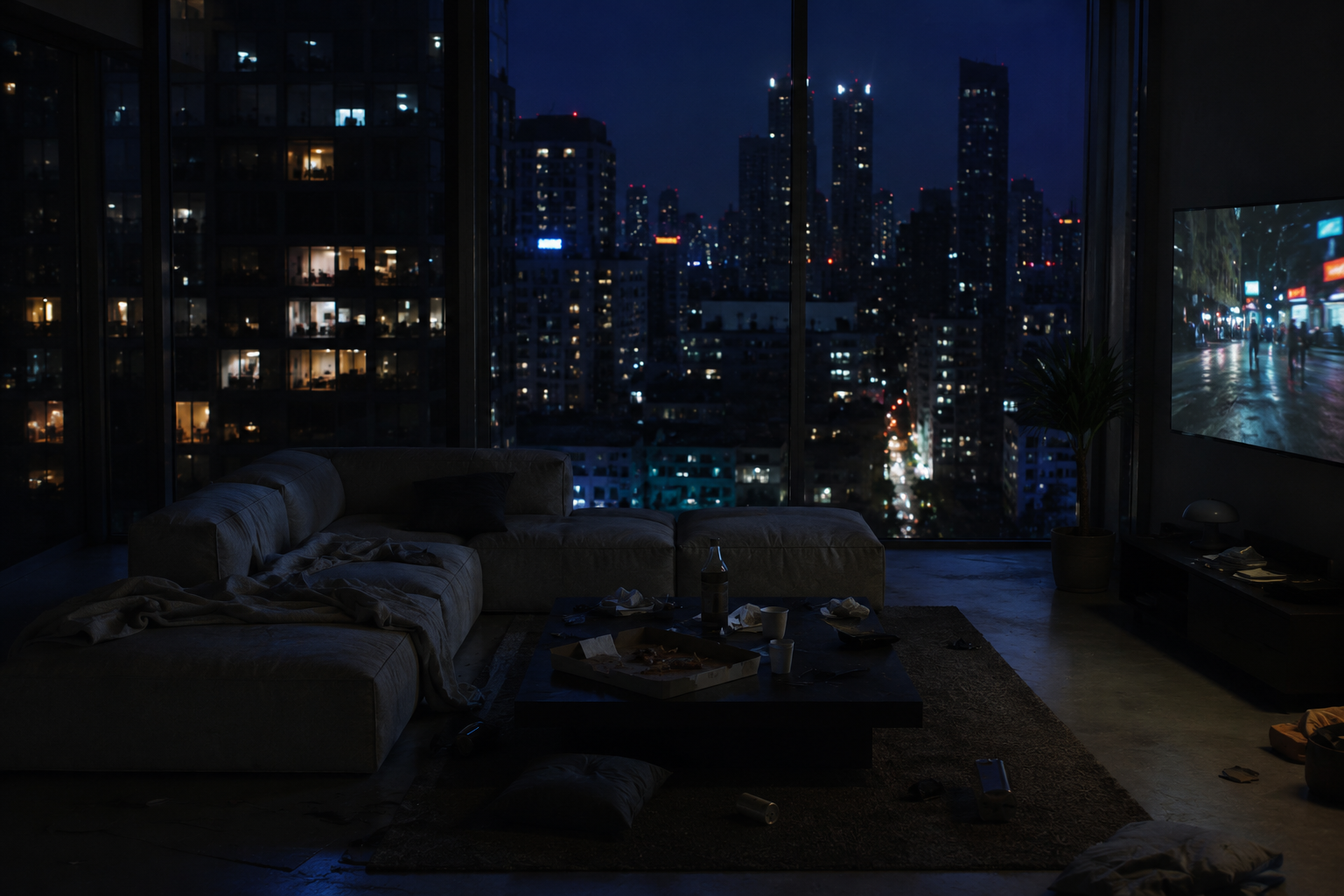
Johnny Carson used to own the night — now TikTok does. As ratings fall and audiences splinter across platforms, Jimmy Kimmel, Trevor Noah, and Sarah Cooper debate whether late-night television is evolving, becoming irrelevant, or simply transforming into something unrecognizable.
Opening Tension
Has the golden age of late-night television come to a conclusive end? Once a vibrant hub of cultural commentary and comedic genius, late-night shows now face challenges that threaten their very relevance. Audiences are more fragmented, platforms are diversifying, and traditional formats are being re-evaluated.
Context
In recent years, late-night television has witnessed a seismic shift. This change is not merely a consequence of viewers switching channels; it's rooted in the cultural landscape that surrounds social media, streaming services, and the rise of digital content creators. With the likes of TikTok providing instant comedy, the question arises: is the formal structure of late-night television still needed, or has it been outpaced by the immediacy of online humor?
The impact is profound, not just for audiences but also for hosts and networks navigating this new terrain. The decline in linear TV viewership intertwines with changing cultural norms and the rising popularity of diverse content formats — suggesting that nobody truly owns the night anymore.
Perspective: Jimmy Kimmel
Jimmy Kimmel, the host of Jimmy Kimmel Live!, suggests that late-night television is undergoing a transformation rather than an outright demise. He argues, "We need to adapt and embrace these changes rather than cling to what worked in the past." Kimmel states that while fewer people may be watching late-night television on traditional platforms, hosts are still able to reach audiences through clips and online content. Kimmel's own show frequently shares sketches and interviews on social media, organically bridging the gap between traditional and modern viewership.
Kimmel also emphasizes the importance of community in shaping late-night content. "Our job is not just to entertain but to engage and resonate with our audience," he says. This suggests that late-night hosts need to recalibrate their approach, focusing on authenticity rather than classic skits that have lost their punch in today's context.
Perspective: Trevor Noah
Trevor Noah, the former host of The Daily Show, echoes similar sentiments but highlights a different element: the cultural responsibilities of late-night hosts. He remarks, "When I started, my role was less about being the punchline and more about being a voice during crucial societal discussions." Noah argues that the need for genuine discourse is rising as global politics become more polarized.
He posits that while late-night shows might be less watched during traditional slots, their relevance endures in their ability to provide commentary on current affairs. "We are facing a crisis in trust; comedians often serve as the messengers of truth," he adds. For Noah, the evolution of late-night television hinges on whether hosts can effectively address the pressing issues of our time while keeping the humor intact.
Perspective: Sarah Cooper
Comedian and author Sarah Cooper offers a fresh take based on the rise of digital platforms and creators. Cooper gained fame through her lip-syncing videos that humorously dissected political figures — which she argues is indicative of the future of comedy.
"There's a new wave of comedies that bypass traditional formats, appealing to younger audiences craving immediate gratification and relatability," Cooper observes. She believes late-night television has become less of a necessary entertainment source as platforms like TikTok and Instagram provide comedy that is digestible in a matter of seconds. "Comedians are no longer confined to late-night stages; they are everywhere," she notes.
Cooper suggests that rather than trying to reclaim the night, late-night shows should embrace these changes. "In a world where everyone is a comedian, it's about collaboration rather than competition," she says, pushing for a more introspective look at what late-night comedy means in this digital-first era.
Editorial Synthesis
Where Experts Agree
All experts recognize that late-night television is not necessarily dying but rather transforming in response to a changing media landscape. They all acknowledge the critical role of comedians in providing social and cultural commentary. Experts agree on the necessity of adapting to new formats and platforms to engage younger audiences.
Where Experts Disagree
Kimmel and Noah lean toward the idea that late-night shows still hold significant cultural relevance, while Cooper believes they are becoming redundant. Kimmel sees a community-centric evolution, while Noah highlights societal obligations. Cooper emphasizes the exponential growth of social media comedians, suggesting that late-night hosts might need to rethink their roles entirely.
Why This Matters
The decline of late-night television as we know it is not just a story of ratings; it signals a broader transformation in how audiences consume content. As traditional viewership dwindles, it suggests a dynamic ecosystem where new voices are emerging, each redefining humor's role in public discourse.
The insights from Kimmel, Noah, and Cooper highlight a clear trajectory: late-night television may not own the night, but it remains vital in shaping cultural conversations — albeit in new and uncharted territories. As audiences continue to disperse across multiple screens and formats, late-night culture will need to find a new language, striking a balance between depth and entertainment and fostering a space where humor can flourish once again.
Reimagining Late-Night: Embracing Evolution Over Nostalgia
As late-night television navigates an era of profound transformation, it's essential to recognize the shifts rather than mourn the past. While traditional linear viewership declines, hosts like Jimmy Kimmel highlight the need for adaptation and innovation. Late-night content can thrive in this new landscape by leveraging digital platforms and engaging directly with audiences. The essence of late-night comedy—sharp wit, cultural commentary, and community connection—remains relevant, albeit in a redefined format. As the landscape evolves, so too must the creativity and adaptability of its hosts. This is not merely the death of a beloved format but a rebirth that opens the door for fresh perspectives and diverse voices, paving the way for the next generation of late-night entertainment.

Jimmy Kimmel
Host, Jimmy Kimmel Live!
"Kimmel argues that the late-night format has lost its way, straying from its roots of delivering comedy and commentary that resonates with viewers. He believes the shift to digital platforms has diluted the communal experience that once defined late-night television."
𝕏 Jimmy Kimmel in Jimmy Kimmel
Trevor Noah
Former Host, The Daily Show
"Noah posits that late-night shows have transformed rather than died, reflecting a broader cultural evolution. He argues that digital platforms have provided new avenues for comedic voices and diversifying the types of humor available to audiences."
𝕏 Trevor Noah in Trevor Noah
Sarah Cooper
Comedian, Author
"Cooper suggests that while traditional late-night TV is declining, it has been replaced by a multiplicity of voices on social media and streaming platforms, allowing for more diverse narratives. She highlights that this shift provides audiences with both opportunities and challenges in discovering content."
𝕏 Sarah Cooper in Sarah CooperHow Does This Hit You?


No comments yet. Be the first to weigh in.