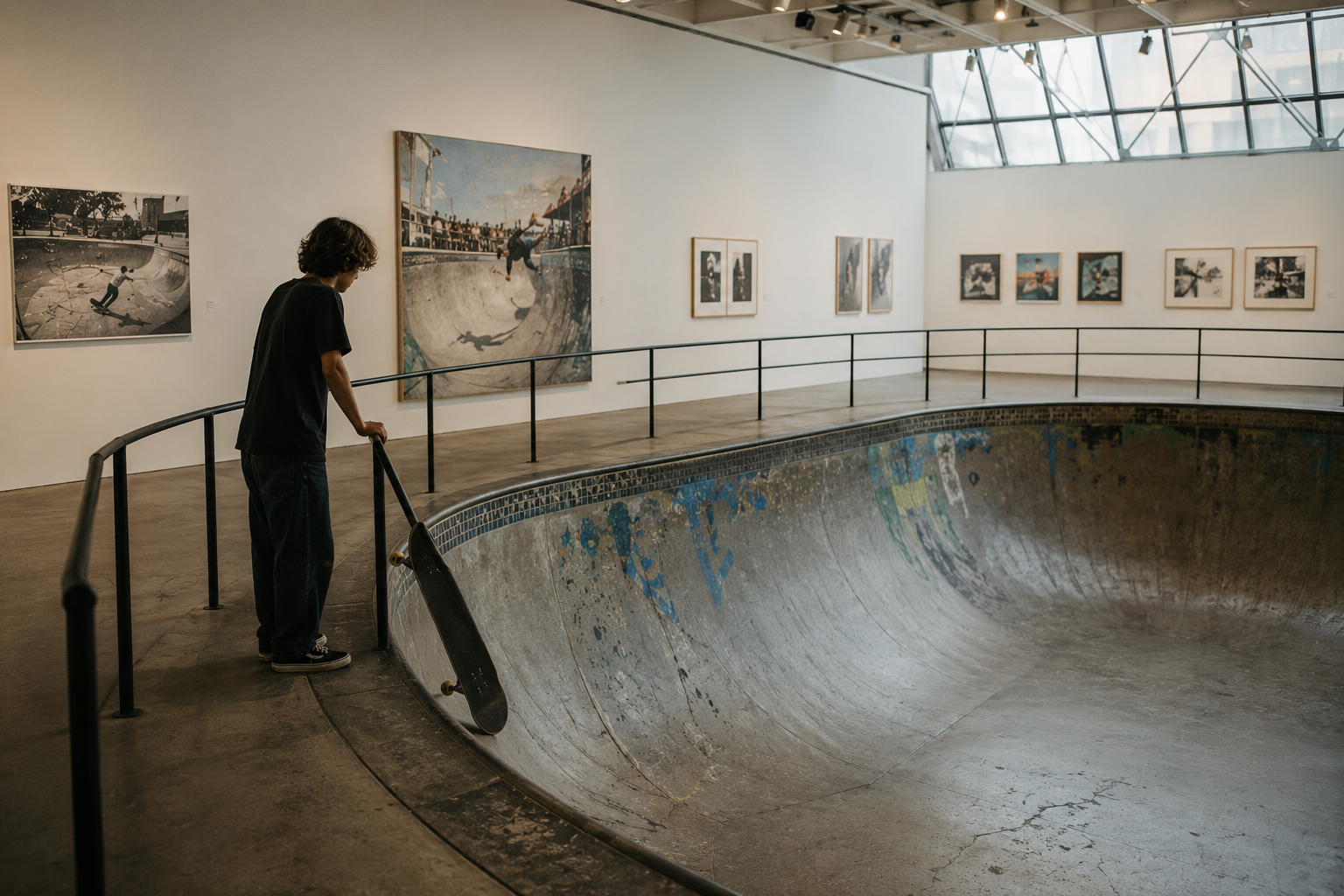
Skateboarding is in the Olympics, sponsorships are massive, and tricks are more polished than ever — but somewhere along the way, did the sport lose its soul? Tony Hawk, Dave England, and Elissa Steamer debate what happens when the half-pipe goes from rebellion to performance stage.
In recent years, the half-pipe has transformed from a playground for rebellious youth into a revered space akin to a museum. But this shift raises an essential question: when did skateboarding pivot from its roots of risk and the inevitable falls to a polished performance format? Understanding this transition is crucial for both skaters and the broader cultural landscape.
Context
The rise of skateboarding as a legitimate sport, culminating in its inclusion in the Olympics, has altered perceptions. The sharp increase in skateboarding's popularity has also ushered in commercial influences that did not exist in the sport's formative years. What once served as a raw expression of individuality is now a highly produced event, prompting questions about authenticity. As skateboarding gains prominence beyond its subcultural origins, it faces the challenge of maintaining its spirit amid a landscape dominated by performance metrics and branding.
Perspective: Performance Over Fall
Tony Hawk, one of the most iconic figures in skateboarding, asserts that the evolution of the sport is a double-edged sword. "On one hand, we now have unprecedented opportunities for recognition and sponsorship, which can elevate careers and make skateboarding more accessible to the masses. On the other hand, the focus on performance might overshadow the very essence of what skateboarding is about — creative expression and the simple joy of riding."
Dave England, well-known for his association with the Jackass franchise, agrees with Hawk, yet emphasizes a different aspect. "The fall is a part of skating that has historically defined the experience. It's a learning process. When it became about landing tricks perfectly for the camera, we risked losing that genuine connection. The art of falling — of not just getting back up but understanding your limits — was an essential part of the culture."
The pressure to succeed in competitions has led many to train rigorously, often distancing themselves from the unfiltered joy of skating. England adds, "When we started doing stunts for Jackass, we didn't think about how we could make it look perfect; we were just being ourselves. Authentic moments get lost in the quest for perfection."
Perspective: Creativity and Expression
In contrast, Elissa Steamer, a prominent skater and artist, sees the change as an opportunity for creativity. "Skateboarding has always been about personal expression. If that expression evolves to include curated performances and artistic videography, then that's a natural progression. The half-pipe doesn't need to be stripped of its rebellious roots to be appreciated in a new form. It's just an extension of what we always did."
Steamer also points out the variety of artistic outlets that have emerged within the sport. "We see a blend of visual arts, film, and skateboarding culture that reflects the kind of community we can build now. The half-pipe is a stage, yes, but it's one where we can tell stories, not just execute tricks."
The question then becomes: are these new forms of expression bending skateboarding away from its roots or adding to its longstanding tradition of creativity?
Editorial Synthesis
Where Experts Agree
Skateboarding's evolution has opened doors for greater recognition and sponsorship. Performance aspects can detract from the authentic spirit of skating. The art of falling remains essential to the culture, even in a polished environment.
Where Experts Disagree
Hawk and England view the focus on performance as a potential risk to the authenticity of skateboarding, while Steamer sees the evolving performance as part of a broader expression of artistic identity. The degree to which commercialism is embraced also differs significantly among the experts.
Why This Matters
Understanding the trajectory of skateboarding is not just about the sport itself; it reflects broader cultural trends concerning authenticity, art, and youth expression. The half-pipe, now a recognized and celebrated space, serves as a symbol of this evolution.
The shift from a focus on falls and risks to a curated presentation can influence younger generations, who may view skateboarding through a very different lens. As skateboarding continues to redefine itself, it faces the challenge of preserving its core identity amid growing commercialization and mainstream acceptance. By navigating this landscape, both upcoming skaters and seasoned veterans can find a balance between the adrenaline of risk and the artistry of performance — ensuring that skateboarding retains its authenticity and relevance across decades.
Preserving the Heart of Skateboarding
The evolution of the half-pipe into a polished showcase raises important questions about the future of skateboarding. While the sport enjoys newfound recognition and opportunities due to its elevated status, it is crucial to remember that the essence of skateboarding lies not just in success but also in its inherent risk and the culture of falling. The raw expression of individuality and the lessons learned from failure are vital components that must not be overshadowed by polished performances. If skateboarding is to thrive in this new environment, stakeholders must strive to balance commercial interests with authenticity, ensuring that the culture remains true to its roots. This balance will sustain the spirit of skateboarding as a beloved form of self-expression for generations to come.

Tony Hawk
Professional Skateboarder, Entrepreneur
"Skateboarding is an evolving art form that celebrates creativity and risk-taking. The transition from purely thrill-seeking to a focus on artistry and cultural significance demonstrates its maturation as a recognized sport."
𝕏 Tony Hawk in Tony HawkElissa Steamer
Professional Skater, Artist
"While the thrill of falling and overcoming fears remains essential, the art and culture surrounding skateboarding should be the focus. This reflects a deeper connection to personal expression rather than just the thrill of the tricks and falls."
𝕏 Elissa Steamer in Elissa SteamerDave England
Skater, Performer, Jackass Star
"Skating encompasses both the artful aesthetic and the raw thrill of falling. It’s crucial not to discard the core risk-taking element while also embracing the cultural evolution that highlights its artistic side."
in Dave EnglandHow Does This Hit You?

No comments yet. Be the first to weigh in.