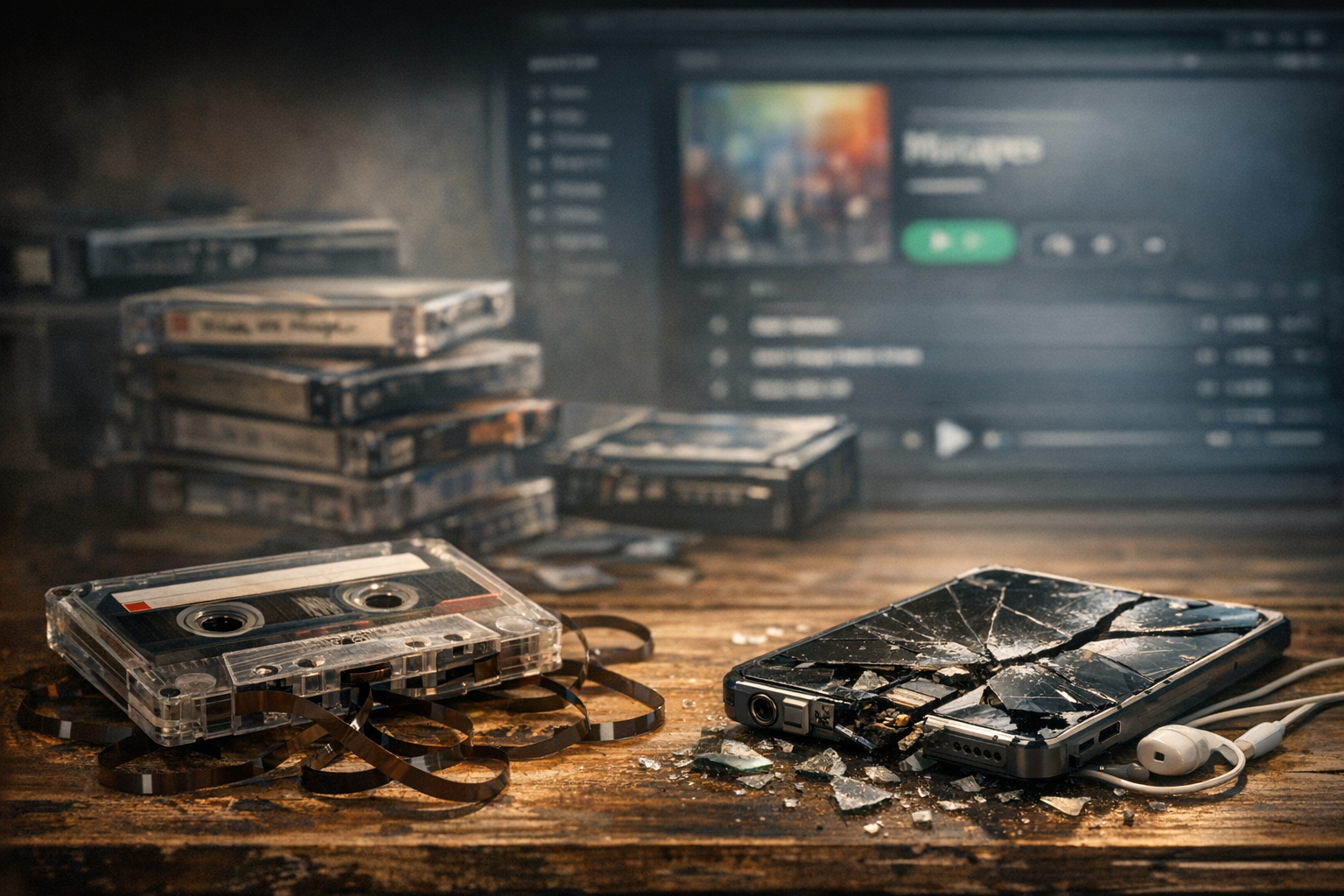
You used to make a mixtape for someone because you meant it. Now an algorithm does it for you in seconds. Something got lost in the upload.
In recent years, the mixtape has seen a renaissance, with artists and fans alike using platforms like Spotify and SoundCloud to create curated playlists under the guise of "mixtapes." But as these digital curation tools proliferate, important questions arise: What does a mixtape even mean in the age of streaming? Often romanticized as a significant part of music culture, the traditional mixtape served not only as a collection of songs but as a symbol of personal connection and artistic identity. Yet, is this essence lost when transferred to the digital realm?
Streaming services have transformed how listeners access their favorite tunes. According to a recent Nielsen report, over 80% of music consumption is now done through streaming platforms. Consequently, the distinctions between the mixtape, album, and playlist have become increasingly blurred. As listeners shift towards digital formats, the mixtape's intimate essence may be overshadowed by algorithms and curated recommendations.
Billboard's Editorial Director emphasizes the reset of mixtapes within the current streaming environment. "Streaming has democratized music access, allowing anyone to become a curator. However, it has diluted the personal touch that physical mixtapes provided. There was a physicality in crafting a mixtape—a tangible symbol of affection or artistic statement. A digital mixtape lacks that emotional weight."
He points out that when listeners could only access music through CDs or tapes, they had to invest time and thought into selecting tracks. This intentionality fostered a deeper connection with the music. In contrast, today's streaming playlists often cater to a variety of moods and moments, devoid of that personal touch.
Music journalist David Turner offers another angle, suggesting that while streaming has transformed mixtapes, this evolution is not necessarily negative. "Digital mixtapes democratize the process of music sharing, enabling artists to reach wider audiences. It's no longer confined to a hand-delivered tape or a privately traded CD. Modern mixtapes can be shared instantly and have the power to go viral."
Turner acknowledges that while some personal connection may be lost, new forms of creativity are emerging. Collaborations on platforms like SoundCloud introduce a communal aspect that was less prevalent in the past. He argues that this fosters greater artistic experimentation, suggesting that the mixtape has adapted to fit the technological age.
Music critic and author Jessica Hopper takes yet another standpoint, expressing concern over the commercialization of digital mixtapes. "The mixtape was once a bastion of creativity and individualism. Now, with streaming algorithms dictating what gets heard, the joy of crafting a mixtape has become another cog in the commercial machine of music marketing."
Hopper fears that the mixtape format is losing its authenticity due to the industry's shift toward analytics and metrics. "Artists are often now crafting playlists not just based on creativity but on data-driven decisions to generate maximum exposure."
The traditional mixtape held a significant emotional weight that current digital formats often lack. The streaming era has democratized access to music, allowing a broader audience to create and share mixtapes. Yet the current remixing of the mixtape format raises urgent questions of authenticity and emotional connection.
Billboard argues for a sense of loss in personal connection, suggesting a decline in the mixtape's emotional value. Turner champions the technological advancements, suggesting new opportunities and greater reach for artists. Hopper raises the sharpest concern: that commercialization and algorithm-driven logic are quietly hollowing out the format from the inside.
The resurgence of the mixtape in the digital age has stirred an important conversation about its evolving significance in music culture. While streaming services enable widespread sharing and accessibility, they also compromise the deeply personal touch that physical mixtapes represented. The cultural implications of this shift resonate not just within the realm of music, but also in broader discussions about how technology shapes art and community.
Ultimately, the challenge moving forward lies in finding a balance between harnessing the power of technology and preserving the intimate spirit that made the mixtape a cherished cultural artifact.
The Essence of Mixtapes in a Digital Era
The mixtape, once a profoundly personal expression of taste, faces an existential challenge in the digital age. While streaming platforms have democratized music curation, they also risk stripping away the intimate connection that defined the mixtape experience. The act of painstakingly selecting songs and physically crafting a tape was an art form that fostered relationships and showcased identity. In contrast, today’s digital mixtapes often feel like product of algorithms rather than genuine, heartfelt creativity. For these new mixtapes to recapture their nostalgic magic, artists must strive to imbue them with the same intentionality and emotional weight that physical formats carried. Harnessing the tools of the digital age while honoring the spirit of the past could lead to a meaningful revival, but without that commitment, the mixtape might remain just another streaming playlist in a sea of content.

Billboard
Editorial Director, Billboard
"The resurgence of mixtapes taps into a deep-rooted sentimentality for curated music experiences that do more than just playlist songs. They encapsulate memories and emotions that streaming services can't replicate."
𝕏 Billboard in Billboard
David Turner
Music Journalist
"Streaming has democratized music access, allowing true musical exploration without the bounds of curated mixtapes. The mixtape's significance lies in its nostalgia rather than its practicality in today's digital age."
𝕏 David Turner in David Turner
Jessica Hopper
Music Critic and Author
"While streaming provides convenience and a vast catalog, the mixtape represents a personal touch in music sharing that can foster deeper connections. Both formats have their value, and understanding their roles in music culture is crucial."
in Jessica HopperHow Does This Hit You?
No comments yet. Be the first to weigh in.