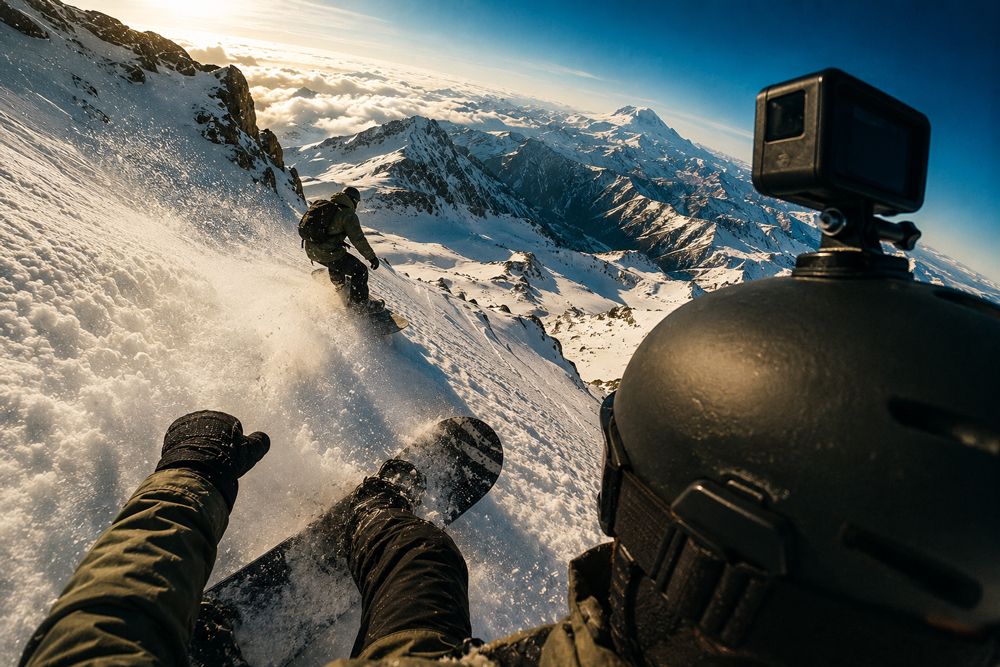
The GoPro promised to capture the ride. What nobody warned you about was that the ride would start performing for it.
Have wearable cameras transformed action sports into a platform for self-expression, or have they merely turned every rider into a reluctant content creator?
The advent of wearable cameras, like the GoPro, has undoubtedly revolutionized the action sports landscape. Once merely a way to document thrilling experiences, these devices have evolved into tools that empower individuals to share their adventures with the world. However, this democratization of content creation prompts a pressing question: in focusing on content production, have we overlooked the purity of the action sports experience?
Travis Pastrana views wearable cameras as a catalyst for the sport's evolution, enhancing the experience for athletes and fans alike. "The ability to capture every epic moment means that we can relive the thrill of a backflip or a daring stunt — not just in our minds, but for everyone else to see. It's a way to elevate the sport."
Pastrana argues that the fundamental essence of the adrenaline rush remains intact. "I don't think every rider sees themselves as a content creator, but the age of social media has taught us that sharing your story can inspire others."
Dr. Amy K. G. Burch raises a different point, emphasizing the sociological impact of wearable cameras in action sports. "These devices have indeed democratized content creation but have also changed the culture around riding. Many riders feel pressured to produce content instead of merely enjoying the ride. This shift can lead to a more performative, less authentic experience."
Dr. Burch highlights a striking finding: nearly 70% of new riders reported feeling they needed to document their experiences for social media, indicating that the drive to create content has begun to overshadow the joy of the sport itself. "Consideration of mental health is crucial here. Riders are now balancing the risk of injury with the pressure to create engaging content."
For Jamie Thomas, professional skateboarder and filmmaker, the relationship between wearable cameras and content creation is complex. "While I love how technology has made skateboarding more accessible, I worry about the overwhelming emphasis on creating social media-worthy clips."
Thomas believes that this trend can foster creativity, leading to innovative tricks and filming techniques. However, he cautions against allowing video performance to overshadow the craft itself. "It's crucial that we still have spaces where riders can simply skate without the lens of the camera. There's artistry in the raw experience — don't let the cameras dictate your ride." Thomas points out that many prolific riders maintain a dedicated filming day separate from everyday riding, preserving the organic nature of their experience.
All three agree that wearable cameras have revolutionized the way action sports are perceived and consumed. The act of sharing experiences can inspire and motivate other riders and fans, and the technology has contributed positively to the creativity exhibited in action sports. On that, there is no dispute.
Where they diverge is sharper: Travis Pastrana sees cameras as an enhancement to the authentic experience, while Dr. Burch argues they generate performance anxiety that quietly corrodes the sport from within. The impact on mental health is particularly contested — Burch is alarmed, while Pastrana and Thomas emphasize its motivating potential.
The numbers don't lie: 43% of riders report that wearable cameras have changed their relationship with their sport. Over 60% of professional athletes believe technology enhances their performance but also sacrifices authenticity. These are not small margins — they are a culture in transition.
As riders navigate this shifting landscape, they must wrestle with their identities — athletes, content creators, or both. The challenge moving forward will be to navigate this dual identity responsibly, ensuring that the joy of the ride remains paramount while also leveraging technology to share those exhilarating moments with others.
The thrill of the ride has to come first. The moment the camera does, something fundamental changes — and not everyone agrees we get it back.
Content Creation vs. Authentic Experience in Action Sports
The rise of wearable cameras in action sports presents a complex duality: they serve as powerful tools for self-expression while simultaneously imposing new pressures on athletes. As Travis Pastrana illustrates, these devices allow riders to share their extraordinary moments with the world, enriching both personal experiences and audience engagement. However, Dr. Amy K. G. Burch raises a crucial concern: the expectation to document every ride can overshadow the pure joy of the sport, forcing riders into the role of content creators rather than allowing them to simply enjoy their passion. This tension highlights the need for a mindful approach to the integration of technology in action sports, where the thrill of riding can coexist with the urge to share. Ultimately, the challenge lies in finding a balance that honors the experience while embracing the opportunities of modern storytelling.

Travis Pastrana
Action Sports Legend
"Wearable cameras have empowered athletes like me to capture and share our skills in real-time, transforming us from just riders into storytellers and brands. This democratization of content creation enhances community engagement around sports."
𝕏 Travis Pastrana in Travis Pastrana
Jamie Thomas
Professional Skateboarder and Filmmaker
"The rise of wearable cameras has shifted the focus too far towards constant content creation, sometimes at the expense of the rider's experience and creativity. It's essential to remember that not every moment needs to be filmed."
𝕏 Jamie Thomas in Jamie ThomasHow Does This Hit You?


No comments yet. Be the first to weigh in.