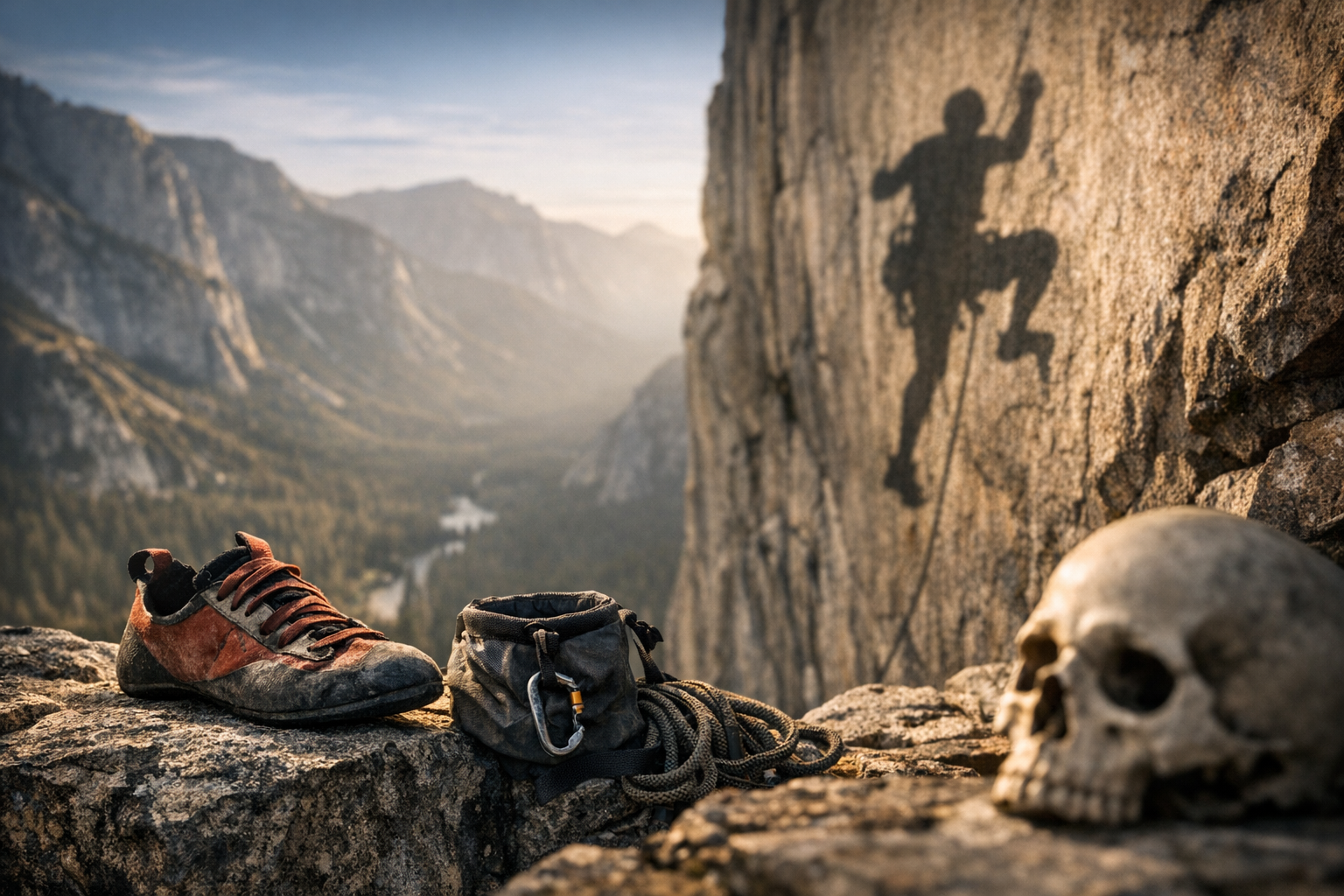
Is Free Solo Climbing a Sport or a Death Wish? Climbers Disagree Opening Question Is free solo climbing a thrilling sport or a reckless endangerment o...
Opening Question
Is free solo climbing a thrilling sport or a reckless endangerment of life? As more climbers push the boundaries of what the human body can endure without ropes, the debate intensifies. This tension is heightened by media portrayals and the increasing popularity of spectacular solo ascents, provoking both admiration and apprehension.
Context
Free solo climbing has surged in popularity following high-profile ascents, notably Alex Honnold's record-breaking climb of El Capitan in 2017. This thrilling feat captivated global audiences, drawing attention to the thin line between exhilaration and peril. In this context, it’s imperative to consider the psychological, physical, and cultural dynamics that define free soloing. As participation grows, so too does the necessity to understand its implications—both for the climbers themselves and for the sport at large.
Expert Perspectives
Perspective: It’s a Sport
Alex Honnold, one of the most iconic figures in free solo climbing, champions the view that this activity is, indeed, a sport. In an interview, he emphasized the meticulous preparation and training that characterize his approach. “Free soloing demands exceptional physical prowess and mental clarity. Each climb is a challenge that requires deep concentration and skill,” he asserts. Honnold describes free climbing as an artful expression of one's capabilities, much like any other extreme sport.
John Long, an established author and climbing expert, echoes Honnold's sentiment. He contends that “free soloing is just another aspect of climbing, rooted in the same traditions and ethics. History is replete with climbers who have ascended dramatic faces without ropes.” According to Long, the sport embodies a testing of human limits and fosters community and camaraderie among climbers.
Perspective: It’s a Death Wish
Conversely, some experts caution against romanticizing free solo climbing. Dr. Thomas Hochholzer, a sports psychologist, raises critical points about the psychological dimensions involved. “With free soloing, there’s a fine line between passion and obsession. The risk of severe consequences can lead to a kind of cognitive dissonance in climbers, who prioritize the thrill over their own safety,” he warns. Hochholzer emphasizes that the adrenaline rush can create a skewed perception of risk, potentially leading some climbers to underestimate dangers.
Moreover, he states, “Many climbers may be experiencing pressure from peers or the media, which can exacerbate risk-taking behavior.” This perspective underscores the notion that, while some may see free soloing as an exhilarating challenge, others view it as an exercise in recklessness.
Editorial Synthesis
Where Experts Agree
- Free solo climbing requires significant skill, physical prowess, and mental fortitude.
- The activity fosters community among climbers and embodies a historical tradition of pushing boundaries.
- Psychological factors play a crucial role in a climber's decision-making process and risk assessment.
Where Experts Disagree
- Some view free solo climbing as an accepted sport, while others perceive it as a reckless endeavor or a “death wish.”
- There are differing opinions on whether media portrayals are encouraging climbers to take unnecessary risks or inspiring them to pursue excellence.
- Experts diverge on the balance of thrill and danger involved in free solo climbing, particularly concerning mental health aspects.
Why This Matters
The conversation around free solo climbing encapsulates broader societal themes about risk, ambition, and personal boundaries. As more climbers engage in this demanding discipline, understanding its implications becomes vital. Are these brave individuals champions of human potential, or are they cautionary tales of overreach?
Ultimately, the dialogue illuminates the inherent tension between the thrill of pushing oneself to the limits and the very real consequences of such endeavors. Whether seen as a sport or a death wish, the embrace of free solo climbing as part of the broader climbing culture necessitates a balanced perspective on risk, community, and the existential questions that arise when facing nature’s unyielding challenges.
With the climbing community grappling with these divergent views, it becomes essential for current and aspiring climbers to have open dialogues regarding the risks they take and the motivations behind them. The debate continues, and the world watches closely.
Navigating the Thin Line Between Sport and Risk
The debate surrounding free solo climbing captures the essence of human ambition—our desire to push boundaries and explore the extremes of our capabilities. While proponents like Alex Honnold and John Long present compelling arguments framing free soloing as an artful sport, it is essential to recognize the inherent risks involved. The differences in perspective reflect broader conversations about safety and thrill-seeking in extreme sports. Ultimately, free solo climbing is not just an individual pursuit; it also affects the climbing community at large, creating ripples of concern and admiration. Striking a balance between celebrating climbers' achievements and acknowledging the dangers they face is crucial. As the sport evolves, so must our understanding of its implications, allowing for a richer dialogue that fosters both inspiration and a respect for safety.

Alex Honnold
Professional Rock Climber
"Free solo climbing is a pure form of self-expression and a testament to human capability. The thrill and satisfaction derived from overcoming such challenges are unparalleled, and with the right preparation, it can be done safely."
𝕏 Alex Honnold in Alex HonnoldJohn Long
Author and Climbing Expert
"While free solo climbing showcases remarkable skill, it is inherently risky and raises ethical concerns about the glorification of dangers. It often trivializes the potential consequences, which can lead to a perception of reckless behavior rather than a legitimate sport."
in John LongDr. Thomas Hochholzer
Sports Psychologist
"The discussion surrounding free solo climbing often polarizes opinions, yet it's essential to recognize the psychological motivations behind it. For many climbers, it's about personal achievement and mental fortitude rather than a mere thrill-seeking death wish."
in Dr. Thomas HochholzerHow Does This Hit You?

No comments yet. Be the first to weigh in.