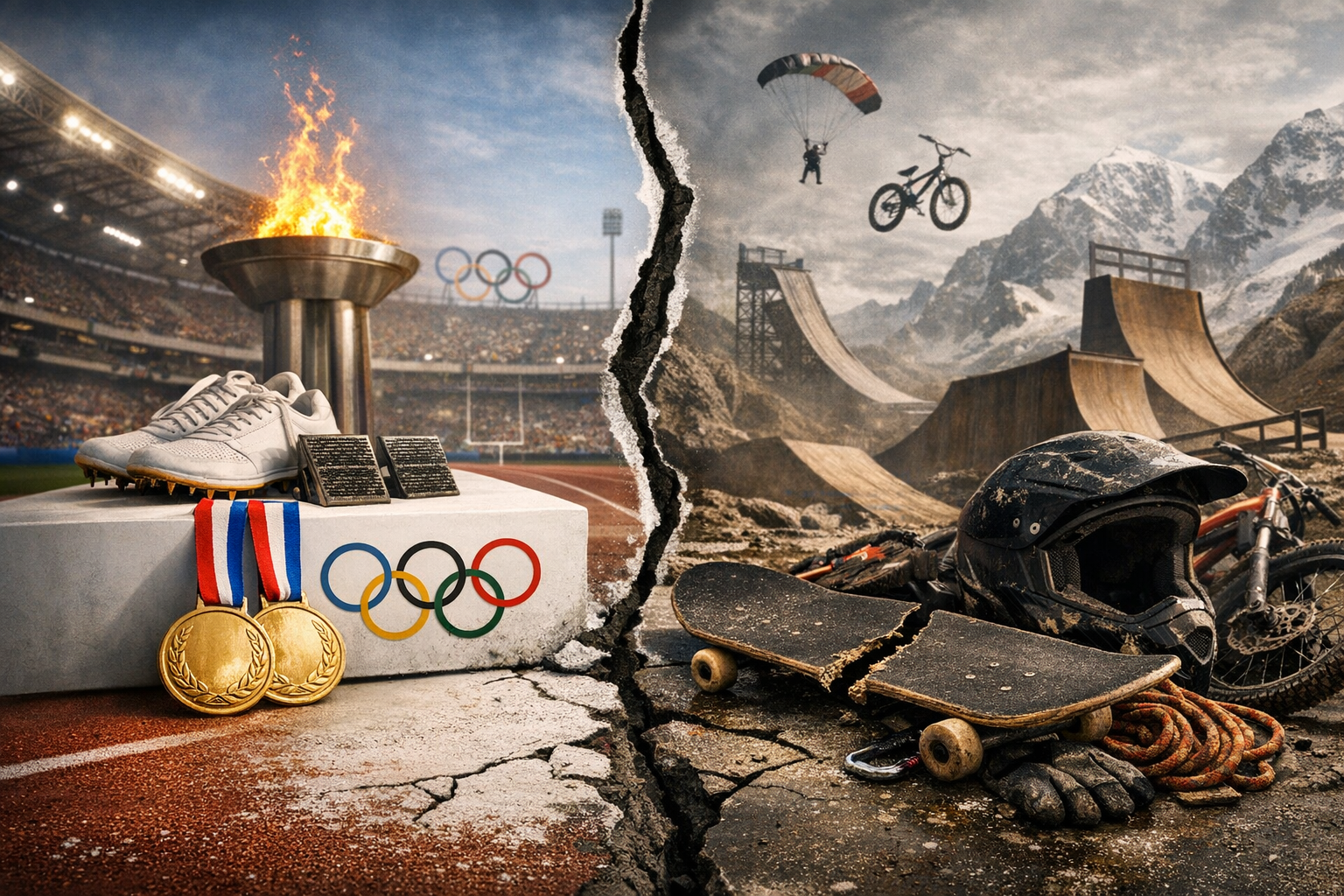
Introduction As the Olympic Games evolve, the debate surrounding the inclusion of extreme sports intensifies. Should disciplines like skateboarding, s...
Introduction
As the Olympic Games evolve, the debate surrounding the inclusion of extreme sports intensifies. Should disciplines like skateboarding, snowboarding, and BMX cycling find a permanent home in the Olympic arena? While these sports appeal to younger audiences and emphasize creativity and individuality, the community remains divided. Prominent athletes weigh in on the merits and pitfalls of this inclusion.
Context
The growing popularity of extreme sports has mirrored societal shifts towards valuing diverse expressions of athleticism. With the Olympics constantly in pursuit of relevance, the incorporation of fresh sports during recent Games raises questions: Are these extreme pursuits distinct enough to belong to the Olympic family? Furthermore, with the upcoming Summer and Winter Games set to include more extreme sports, the conversation is more pertinent than ever.
Perspective: Pro Inclusion
Tony Hawk, a legendary figure in skateboarding, passionately supports the integration of extreme sports into the Olympics. He argues that the essence of skateboarding aligns with Olympic ideals: "Skateboarding is about pushing the limits and creativity. The Olympics can inspire a new generation of athletes to think outside traditional sports norms." Hawk believes the Olympics provide a platform for these sports to gain recognition and support necessary for growth.
Hawk’s advocacy is bolstered by the statistic that 73% of skateboarders support Olympic inclusion. This shows a solidified community backing for the representation in an arena typically dominated by conventional sports.
Moreover, Aimee Fuller, a notable professional snowboarder, emphasizes that extreme sports promote not just competition but also artistry. "In snowboarding, we perform tricks that are incredibly creative. The Olympics can showcase the artistry in sport, which has often been overlooked." Fuller articulates that when athletes have the opportunity to display their skills on a global platform, it elevates the sport's profile.
Perspective: Caution in Inclusion
In contrast, Bradley Wiggins, a decorated Olympic cyclist, expresses reservations regarding the inclusion of extreme sports in the Olympics. Wiggins acknowledges their rapid growth but cautions that extreme sports may not fit the traditional Olympic mold. "The Olympics symbolize a certain standard of discipline and tradition. There’s a risk that extreme sports could dilute that legacy," he remarks.
Wiggins also warns of potential safety concerns, noting the higher injury rates associated with extreme sports, which could present complications in the context of Olympic competition, where the stakes are markedly high. The concern here is not just for the athletes' health, but the broader implications of introducing riskier events into the mix.
Editorial Synthesis
Where experts agree
- Promotional Potential: Both sides acknowledge that inclusion could increase visibility and support for extreme sports.
- Youth Engagement: There is a consensus that extreme sports resonate with younger demographics, which could rejuvenate the Olympics.
Where experts disagree
- Cultural Fit: Hawk and Fuller argue for a cultural alignment of extreme sports within the Olympic framework, while Wiggins foresees a potential clash with traditional values.
- Safety Concerns: Wiggins emphasizes the inherent risks associated with extreme sports, whereas Hawk and Fuller downplay these risks in favor of pushing boundaries.
Why This Matters
The debate over whether extreme sports should become an official part of the Olympic program goes beyond mere sportsmanship. It reflects broader themes of innovation, identity, and community values within sport. As younger generations seek more diverse representations, the Olympics finds itself at a crossroads between tradition and modernity.
With the potential to attract a new audience, the inclusion could also forge pathways for increased funding and sponsorship opportunities for athletes in these disciplines. However, the Olympic Committee must tread carefully, ensuring the spirit of the Games remains intact while evolving with the cultural zeitgeist. This discourse, ignited by voices like Hawk, Wiggins, and Fuller, will undoubtedly influence the future of the Olympic landscape.
In an ever-evolving world of sports, the question remains: Should extreme sports be welcomed into the Olympic fold, or should they carve their niche elsewhere? The answer lies not just in performance, but in the values we prioritize in athletics.
Embracing the Evolution of Sport
The inclusion of extreme sports in the Olympics marks an exciting evolution in how we define athleticism and competition. As traditional views of sports give way to more diverse and creative expressions, the Olympic Games can capture a broader audience and inspire a new generation of athletes. Leaders in the extreme sports community, like Tony Hawk and Aimee Fuller, emphasize the importance of creativity and artistry in their disciplines, which aligns with the Olympic spirit of pushing boundaries. While the traditionalists may voice concerns about the integrity and distinctions of these sports, the overwhelming community support underscores a desire for representation and recognition. Ultimately, embracing extreme sports could revitalize the Olympics, making it more relevant and appealing to younger audiences. It is essential to find a balance that respects the roots of both traditional and extreme sports, ensuring that the Olympics remains a celebration of all forms of athleticism.

Tony Hawk
Professional Skateboarder, Entrepreneur
"Tony Hawk advocates for the inclusion of extreme sports in the Olympics, arguing that it would elevate the recognition and legitimacy of these sports, while providing athletes with a global platform to showcase their skills."
𝕏 Tony Hawk in Tony Hawk
Bradley Wiggins
Olympic Cyclist
"Wiggins expresses a cautious perspective on the matter, highlighting the need for rigorous standards and regulations in extreme sports before considering them for the Olympic stage, balancing excitement with safety."
𝕏 Bradley Wiggins
Aimee Fuller
Professional Snowboarder
"Aimee Fuller supports the inclusion of extreme sports in the Olympics, emphasizing their relevance to youth culture and the importance of giving young athletes a chance to compete on the world stage."
𝕏 Aimee FullerHow Does This Hit You?

No comments yet. Be the first to weigh in.