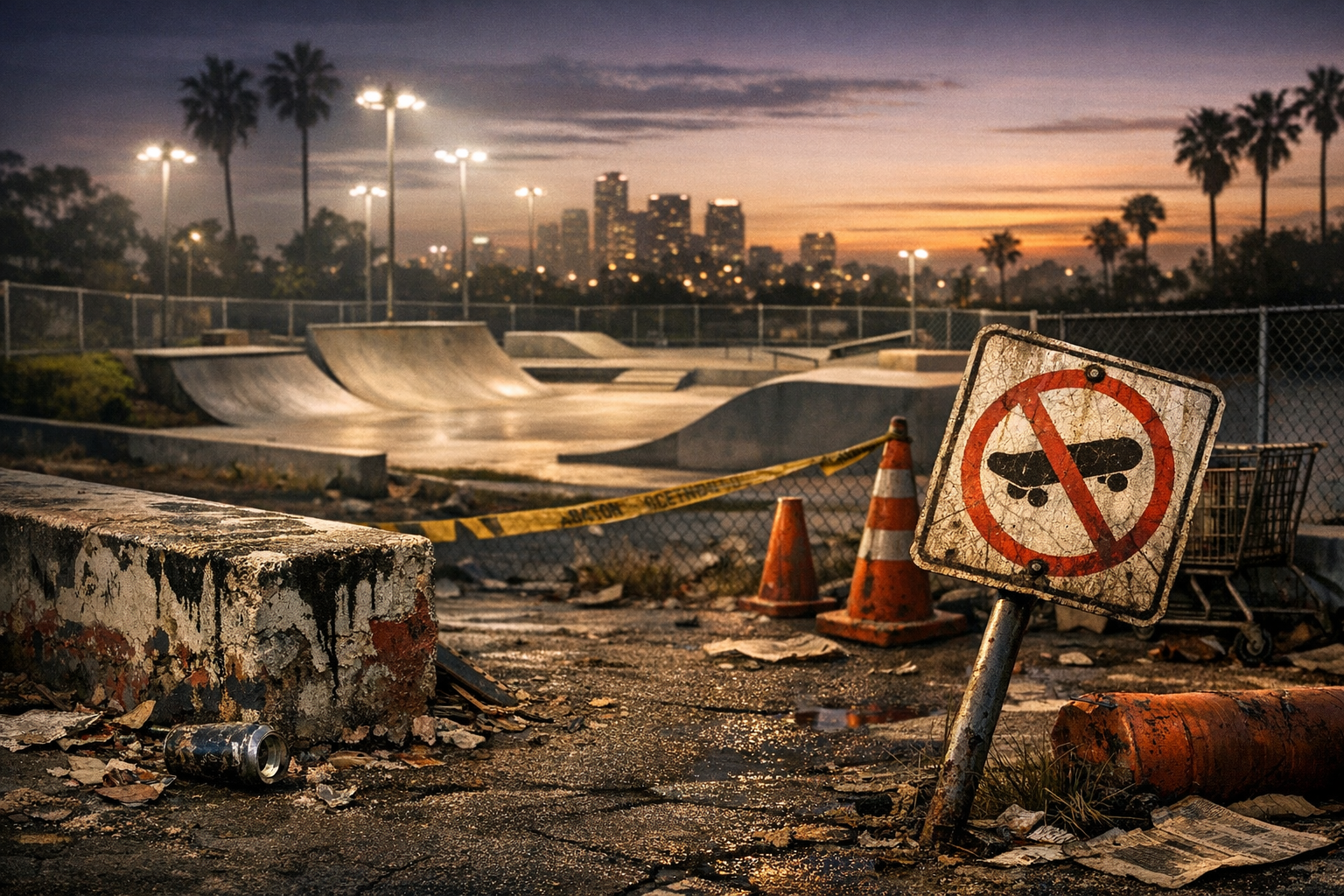
Skateparks gave everyone a place to skate. But somewhere in the process, they took away the one thing that made skating worth doing in the first place.
As skateboarding continues to evolve, the question arises: have skateparks overshadowed the raw, unfiltered essence of street skating? Many insiders argue that the proliferation of skateparks has led to a decline in street spots, fundamentally altering the culture of skateboarding. This debate is particularly timely as the sport gains mainstream attention, spurred by the Olympics and an expanding youth audience.
In the early days of skateboarding, street spots were the heart of the culture, representing the creativity and resilience of riders who transformed urban landscapes into personal playgrounds. Lately, however, skateparks have surged in popularity, offering dedicated spaces for skaters to practice tricks and hone their skills. This shift comes with both advantages and drawbacks, raising concerns that street spots—where the essence of skateboarding lies—are becoming obsolete.
Tony Hawk emphasizes the accessibility that skateparks provide but warns that this ease could divert attention from street skating. "Skateparks are safe and welcoming, but they also create a false sense of security. The raw nature of street skating is what pushed us to innovate in the first place. When everything is curated and controlled, we lose some of that spontaneity."
Kool Bob Love advocates vehemently against the dominance of skateparks. He believes that the rise in skateparks has diluted the creativity of street spots. "You would find inspiration in the most unexpected places—a set of stairs, a rail, or a ledge. Nowadays, you have kids growing up with skateparks in mind, making them think that's all the skate scene has to offer. That's problematic."
Kathy Foy adds to this perspective by discussing the design aspect of skateparks. "While skateparks can foster individual skills, they often overlook the unique architectural elements of a city that street spots exploit. If we are only skating in parks, we miss out on the narrative that comes from skating urban architecture."
Conversely, other insiders argue that skateparks do not eliminate street spots — they complement them. Tony Hawk notes, "Skateparks serve as a foundation for beginners. They provide a safe space to learn the fundamentals before venturing out into the streets."
Kool Bob Love acknowledges that parks offer a structured environment for skill mastery. "Yes, parks change the game, but they also make it possible for more people to engage with skateboarding. It brings in new talent that might one day confront street spots with creativity and flair."
Kathy Foy reflects that skateparks also encourage community, focusing the skills developed in parks toward more adventurous street skating. "The key is balance. We need both avenues to ensure that the culture continues to thrive. The day kids stop skating street spots is the day we lose the depth of the sport."
All experts agree that skateparks provide a safe environment for beginners, allow participants to learn foundational skills before taking on street spots, and can foster community and a sense of belonging. Where they split is on everything that comes after that.
The role of skateparks in diminishing the allure of street spots remains hotly contested. So does whether skateparks lead to a homogenization of skateboarding culture — and whether the creativity and innovation that defined street skating can survive in a world of smooth concrete and perfectly placed rails.
Street skating has long been perceived as the rebellious heart of the sport, capturing the essence of individual creativity and unfiltered expression. However, with the rise of skateparks, this core ethos faces new challenges. If the allure of street spots continues to wane, it could mean a significant cultural shift — one that perhaps leans toward commercialization at the expense of the sport's roots.
The debates surrounding skateparks and street spots will likely continue as skateboarding grows in popularity. Maintaining a careful balance between the two could define the future of skate culture. As the sport enters a new chapter, skaters and advocates must discuss and navigate these dynamics to ensure the legacy of street skating is honored alongside the evolution of skateparks.
The Balance Between Parks and Street Culture
The debate on whether skateparks have killed street spots highlights a pivotal moment for skateboarding culture. While skateparks offer safety and accessibility, they also risk overshadowing the raw creativity that street skating embodies. As Tony Hawk points out, the magic of street spots lies in their unpredictability, pushing skaters to innovate beyond controlled environments. Kool Bob Love’s concern about the dilution of creativity cannot be ignored—the essence of skateboarding thrives in its ability to transform everyday urban landscapes into platforms for self-expression. The solution lies in finding a balance: advocating for both skateparks and the preservation of street spots, ensuring the next generation of skaters can experience the full spectrum of the culture. Ultimately, city planners, skaters, and the community must collaborate to foster spaces that honor the rich history of street skating while accommodating the growing interest in skateboarding as a mainstream sport.

Tony Hawk
Professional Skateboarder, Entrepreneur
"While street spots hold nostalgic value, skateparks provide safe and controlled environments for all skaters. The evolution of skateboarding benefits from designated spaces where creativity can flourish without legal repercussions."
𝕏 Tony Hawk in Tony HawkKool Bob Love
Founder, Black Label Skateboards
"Street spots are the heart and soul of skateboarding, representing raw creativity and individual expression. The rise of skateparks may have led to safety, but it also risks diluting the authentic, gritty essence that defines street skating."
in Kool Bob LoveHow Does This Hit You?

No comments yet. Be the first to weigh in.