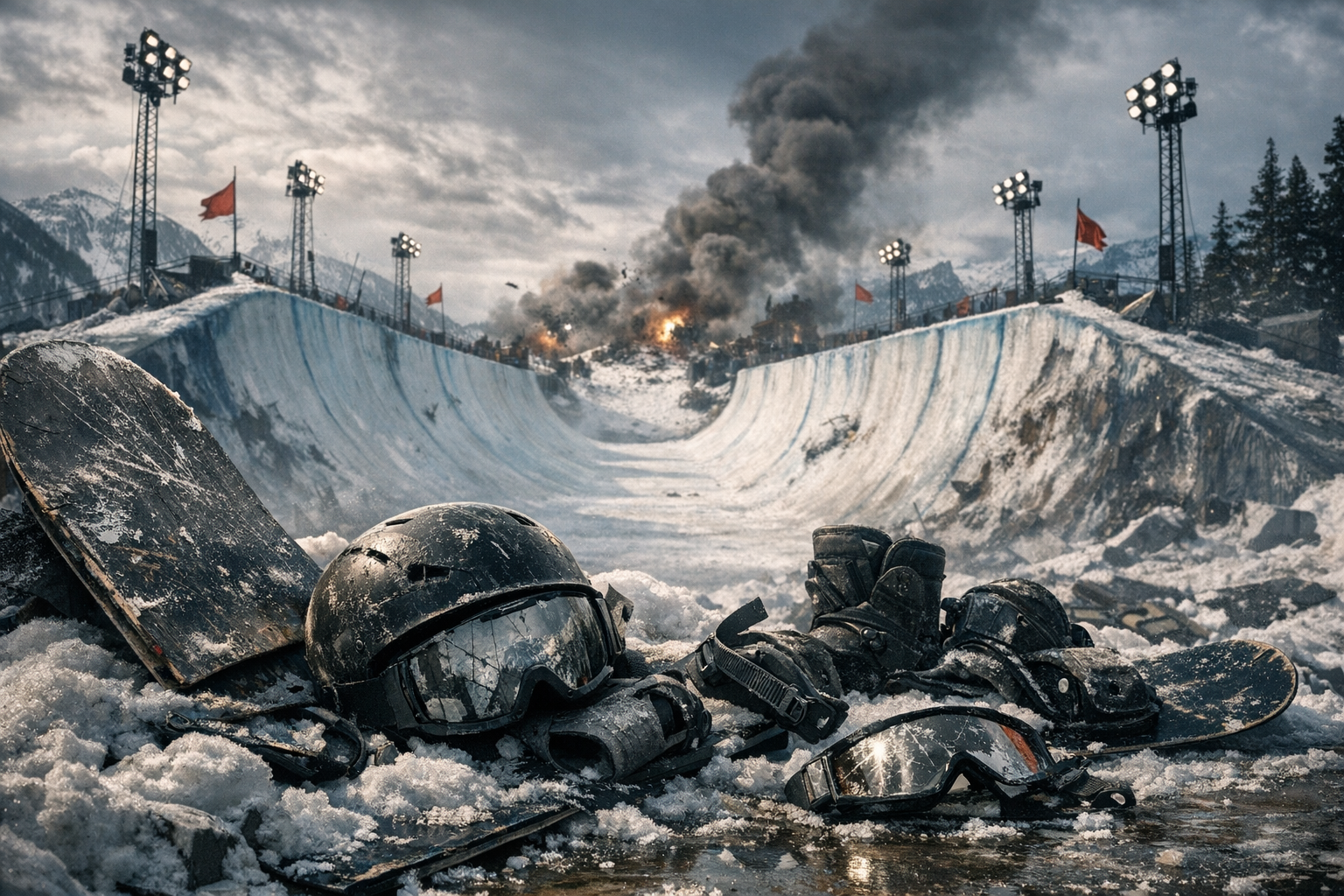
Snowboarding's Pipe Dream: How the Half-Pipe Became the Sport's Biggest Battlefield As snowboarding continues to evolve, one question looms large over...
As snowboarding continues to evolve, one question looms large over the sport's future: Is the half-pipe still the ultimate test of skill, or has it become a battleground for innovation and commercialization? This pivotal discussion comes at a time when snowboarding is facing pressures from both traditionalists and progressive factions, making the half-pipe a focal point of contention and innovation.
Context
The half-pipe has long stood as the epitome of snowboarding, a venue where artistry meets athleticism. Its heart-pounding thrills often contrast sharply with the meticulous physics involved. In an era when Olympic scrutiny is intensifying, alongside the burgeoning popularity of alternative snowboard techniques, the role of the half-pipe is under examination. Understanding its importance now is crucial, as athletes and sponsors alike redefine what snowboarding represents.
Perspective: Jamie Anderson
Jamie Anderson, a two-time Olympic gold medalist, offers a perspective grounded in the intersection of tradition and progress. According to Anderson, the half-pipe serves as a backbone for the sport. "It holds a special place in our community, embodying the essence of what makes snowboarding exhilarating. However, it's essential to evolve and integrate new styles and tricks into our competitive repertoire," she asserts.
Anderson emphasizes inclusion in the half-pipe scene, advocating for diversity in event formats that prioritize female and junior competitors. "The more equitable and varied the competition, the more it draws in newcomers, creating a sustainable path for snowboarding’s future, particularly in the half-pipe realm."
Perspective: Terje Håkonsen
In contrast, Terje Håkonsen, a legendary figure in snowboarding, believes the half-pipe's prominence may stifle innovation. "While it has its merit, the half-pipe can often box athletes into a predetermined set of skills," he states. Håkonsen suggests that the sport must prioritize progression, focusing less on the half-pipe and more on free riding and off-piste challenges that allow for personal expression.
He laments that the increasing commercialization of half-pipe events often detracts from the artistic elements of snowboarding. "We’ve become extremely aware of how the sport is packaged and sold, often at the expense of genuine creativity and exploration."
Perspective: Kazu Kokubo
Kazu Kokubo, known for his fluid style in the half-pipe, acknowledges the merits of both Håkonsen's and Anderson's viewpoints. "The half-pipe has its place, but it must adapt to stay relevant. I see the potential for innovation in the half-pipe structure itself—more features, variations in design, or even incorporating elements from street style. This could keep the half-pipe fresh and engaging."
Kokubo emphasizes the balance between spectacular performances in the half-pipe and maintaining the camaraderie and thrill that characterizes snowboarding culture. He advocates for approaches that blend the two, arguing that diversity will sustain the sport’s appeal in the long term.
Editorial synthesis
Where experts agree
- The half-pipe is a vital part of snowboarding's identity and history.
- There is a need for innovation in both the structure and the types of tricks performed.
- A focus on inclusivity and diversity could enhance competition and participation in the sport.
Where experts disagree
- The level of importance the half-pipe holds in the broader landscape of snowboarding varies.
- The balance of commercialization versus creative expression presents different priorities.
- Opinions on how to adapt the half-pipe (structure, style, integration of new techniques) differ significantly.
Why this matters
The half-pipe represents more than just a physical structure—it is a symbol of snowboarding's evolution and its potential for continued growth. As athletes like Jamie Anderson, Terje Håkonsen, and Kazu Kokubo contribute to the conversation on its future, it becomes increasingly evident that action must be taken to preserve the sport’s authenticity while embracing the demands of contemporary athleticism and audience expectations.
Promoting innovation without sacrificing identity may ensure that the half-pipe remains relevant, resonating with both seasoned enthusiasts and newcomers. Ultimately, this discussion poses a crucial question: how can snowboarding embrace its rich heritage while paving the way for its vibrant future? The answer may dictate the trajectory of the sport in years to come.
The Half-Pipe: Tradition or Innovation?
The half-pipe, a cornerstone of snowboarding culture, is at a crossroads where it must adapt to remain relevant in an ever-evolving landscape. As Jamie Anderson suggests, embracing diversity and innovation is crucial for the sport's growth, yet we must not overlook the foundational artistry that the half-pipe embodies. Terje Håkonsen raises valid concerns about potential stagnation, advocating for broader horizons that go beyond the half-pipe's confines. Facilitating equity in competition will be pivotal for drawing new talent and audiences. The future of snowboarding lies in finding a balance between honoring tradition and fostering progressive change, ensuring that the half-pipe can thrive as both a battleground and a canvas for creativity.
Jamie Anderson
Professional Snowboarder
"The half-pipe is essential for showcasing the artistry and technical skill of snowboarding. It offers a unique platform for athletes to express themselves and push the boundaries of the sport, attracting new fans and participants."
𝕏 Jamie AndersonKazu Kokubo
Professional Snowboarder
"While the half-pipe is a staple in snowboarding, it often overshadows other important disciplines. We should advocate for a broader recognition of various styles in snowboarding to truly celebrate the diversity of the sport."
𝕏 Kazu KokuboTerje Håkonsen
Snowboarding Pioneer
"The half-pipe remains an important part of snowboarding but should coexist with other formats that showcase different skills. It's vital for the community to celebrate the sport's diversity while maintaining the excitement and energy the half-pipe provides."
𝕏 Terje HåkonsenHow Does This Hit You?



No comments yet. Be the first to weigh in.