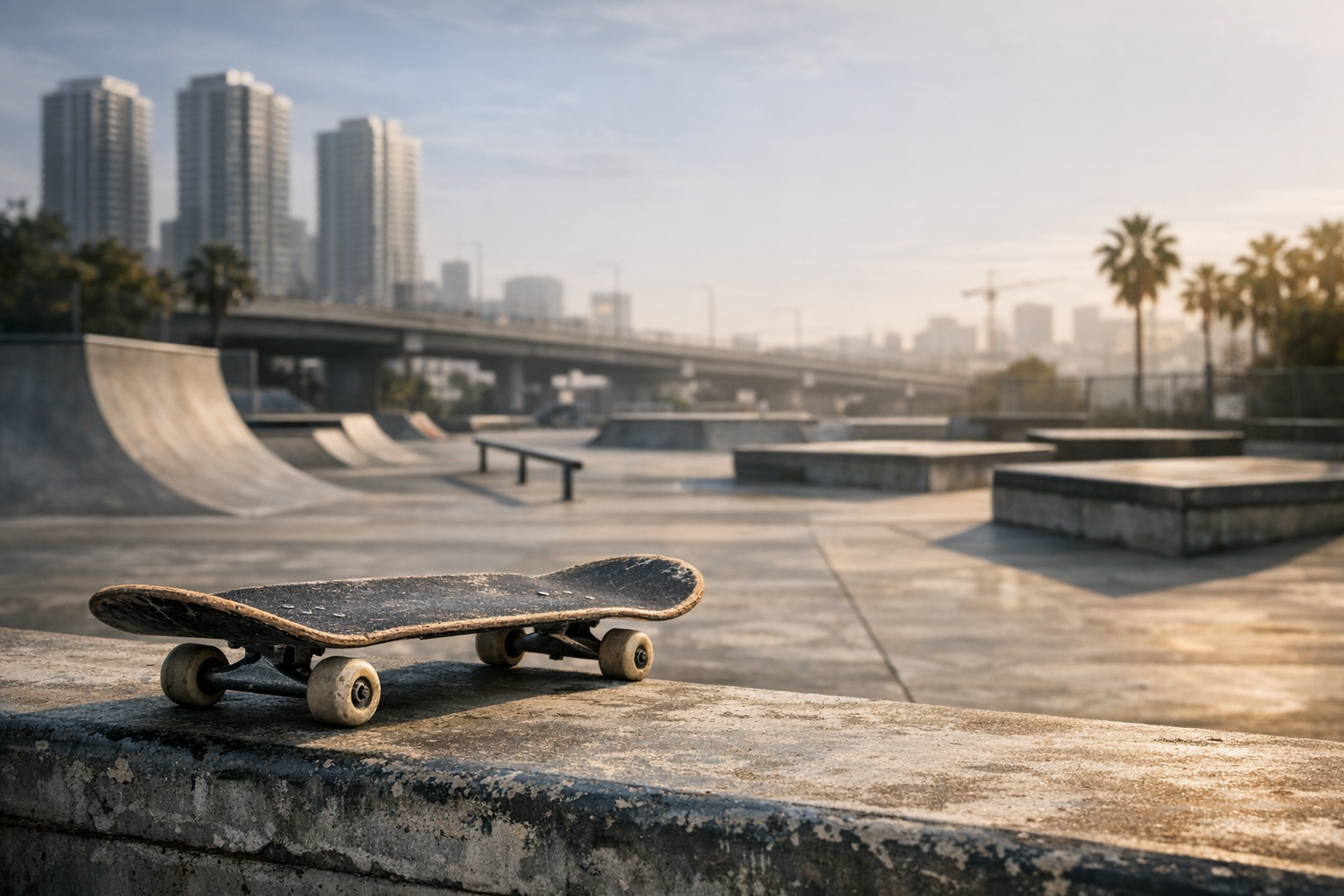
The Skate Scene: Homogenization or Universal Language? As skateboarding continues to flourish globally, observers may notice a striking similarity amo...
The Skate Scene: Homogenization or Universal Language?
As skateboarding continues to flourish globally, observers may notice a striking similarity among cities’ skate scenes. But what underlies this uncanny uniformity? Is it a positive evolution or a loss of local flavor?
In examining this phenomenon, experts in skateboarding—from professional athletes to digital influencers—offer diverse insights that reveal the complexities of the skate culture landscape today.
Context
Understanding why the skate scene appears homogeneous is essential, particularly in an era when skateboarding is increasingly seen as a mainstream sport. The inclusion of skateboarding in the Olympics, the proliferation of skateparks, and the rise of online content creators have all contributed to a globalized skate culture. These factors raise questions about authenticity, identity, and the future of local skateboarding scenes.
Perspective: Tony Hawk
Tony Hawk, a legendary figure in skateboarding, attributes this uniformity partly to the growth of digital media. He argues that online platforms have enabled skaters to share styles, tricks, and venues at an unprecedented scale. "With social media, every skater can instantly observe and adopt the latest trends from famous skaters around the world. This leads to a homogenized style that transcends geographical boundaries," Hawk explains.
Moreover, Hawk highlights the influence of international skate brands that maintain a global marketing strategy, which further dilutes regional differences. "When the skate gear available in San Francisco is the same as in Tokyo, the local scene inevitably adapts to that influence."
Perspective: Aaron Kyro
Aaron Kyro, a prominent YouTube skateboarding influencer, echoes Hawk's sentiments but emphasizes the role of content creation. He states, "Most skaters today are heavily influenced by the top YouTube channels. A few dominant figures in the space dictate styles and tricks, which leads to skate scenes adopting similar aesthetics."
Kyro also points out the accessibility of tutorials and sponsored content that standardizes skateboarding skills. "Almost every skater can learn the same trick through a single video, making it less about personal expression and more about mimicking success."
Perspective: Lizzie Armanto
In contrast, Lizzie Armanto offers a more optimistic take, suggesting that the unification of styles can lead to broader acceptance in the skate community. "A certain similarity in style can act as a bridge for skaters across different cultures. When you skate, you're speaking a universal language, whether you're in L.A. or Paris."
Armanto believes that this shared culture can foster inclusivity and break down barriers. However, she acknowledges that this should not replace local identity. "There's a fine line between adopting international influences and losing the essence of what makes local skating unique."
Editorial Synthesis
Where experts agree
- The rise of digital media and social platforms has significantly influenced local skate styles.
- The global marketing strategies of skate brands contribute to a homogenized scene.
- The impact of tutorials and online content is significant in shaping how skaters learn and perform tricks.
Where experts disagree
- Hawk and Kyro see homogenization as a negative force in skate culture, while Armanto offers a more positive view on its potential for fostering inclusivity.
- The emphasis on personal expression varies among experts, with Armanto valuing the balance of influence and individuality more than Hawk and Kyro.
Why this matters
The ongoing debate surrounding the uniformity of skate scenes raises critical questions about authenticity and identity in a globalized world. As skateboarding continues to bridge cultures through its universal appeal, balancing local uniqueness with global influences will become ever more essential. This conversation signals not just the evolution of the skate scene but also a reflection of society’s ways of consuming culture. As Hawk, Kyro, and Armanto express their perspectives, it’s clear that the evolution of skate culture is multifaceted, requiring continued dialogue among current skaters, aspiring professionals, and the larger community.
As the global skate scene expands, so does the responsibility of skaters to maintain their local identities while embracing the influences of a connected world. The future of skateboarding may depend on how this balance is achieved, ensuring that it remains an authentic expression of each individual's journey, no matter where they are in the world.
The Global Language of Skateboarding
The apparent homogenization of skate scenes across cities presents both challenges and opportunities. On one hand, the influence of social media and global brands has made styles and trends more uniform, often overshadowing local identities. Yet, this shared language fosters a sense of community and connection, allowing skaters from diverse backgrounds to relate to one another. As skateboarding continues to expand its reach, it is crucial for enthusiasts to embrace both the universal aspects of the culture while actively preserving and celebrating the unique flavors of their local scenes. By striking this balance, we can cultivate a richer, more inclusive skateboarding experience that honors both tradition and innovation.

Tony Hawk
Professional Skateboarder, Entrepreneur
"Hawk argues that the global commercialization of skateboarding has led to a diluted local identity in skate scenes, making them appear similar across regions. He emphasizes the need for individuality in skateboarding to preserve local culture."
𝕏 Tony Hawk in Tony HawkAaron Kyro
YouTube Skateboarding Influencer
"Kyro believes that the rise of social media has actually strengthened skate communities by connecting skaters worldwide. He argues that while styles may blend, local scenes can still thrive and evolve, enriched by global influences."
𝕏 Aaron KyroLizzie Armanto
Professional Skateboarder
"Armanto maintains that while there are evident similarities in skate scenes globally due to shared media exposure, each city's scene retains unique characteristics shaped by its local environment and culture. She advocates for recognizing both sides of this evolution."
𝕏 Lizzie ArmantoHow Does This Hit You?

No comments yet. Be the first to weigh in.