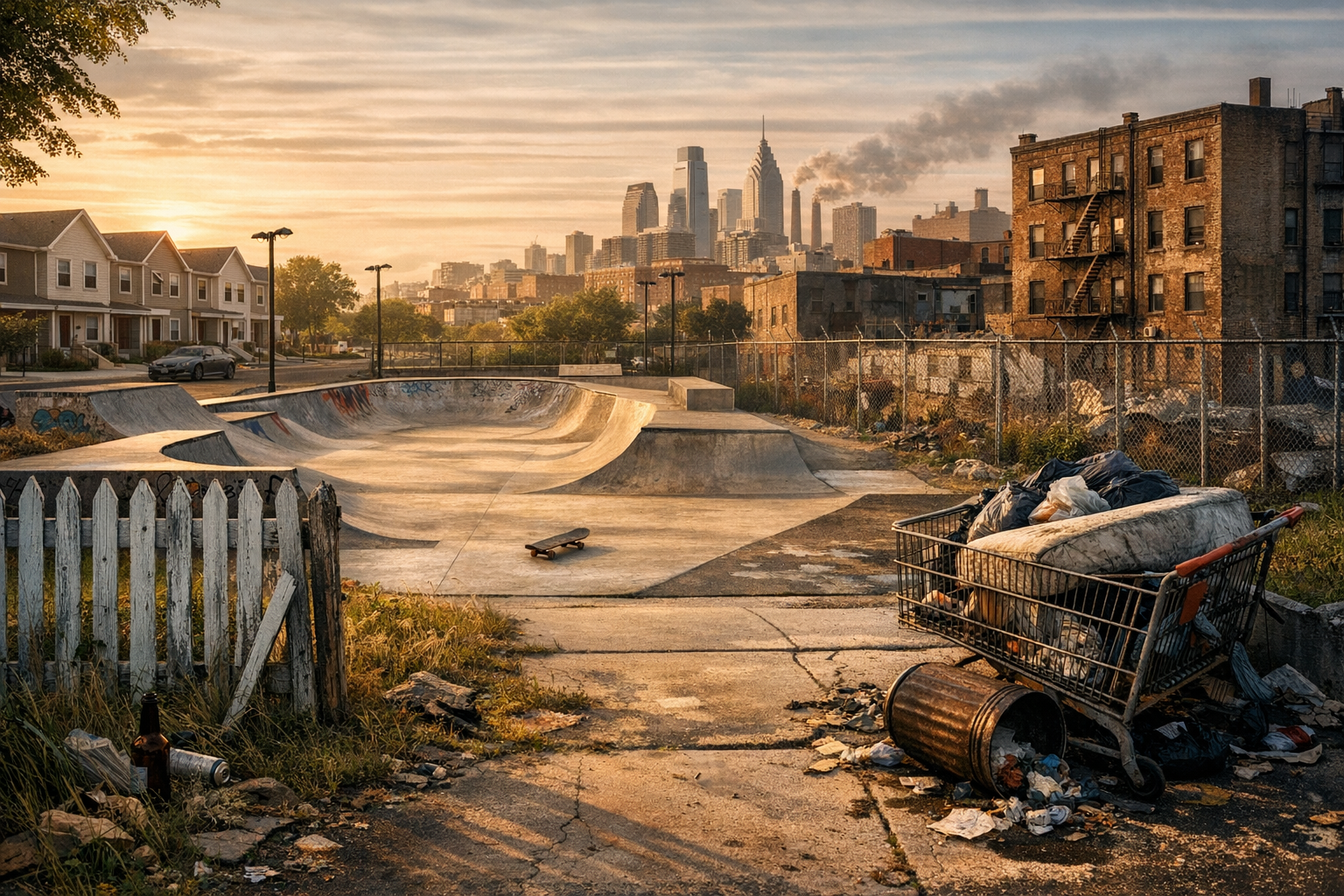
The Skatepark Came to the Neighborhood — And Then the Neighborhood Changed Opening Tension What happens when a skatepark, often viewed as a sanctuary...
Opening Tension
What happens when a skatepark, often viewed as a sanctuary for youth and creativity, replaces an empty lot in a neighborhood? As many communities across the United States are grappling with the revitalization of public spaces, the arrival of skateparks brings both opportunity and anxiety. Do these installations enhance neighborhood vitality, or do they alter the very fabric of communities?
Context: Why This Matters Now
The phenomenon of urban skateparks has accelerated in the last decade, with cities investing in facilities designed to engage youth and promote physical activity. According to a recent study, skateboarding can reduce youth crime rates by up to 30%, suggesting its potential as a community asset. However, the construction of these parks often invites gentrification and displacement, leading to nuanced debates among community members, planners, and skaters alike.
Perspective: Tony Hawk
Tony Hawk, a lauded professional skateboarder and entrepreneur, argues that skateparks are essential for community development. "Skateparks provide youth with a safe environment to hone their skills and express creativity. These facilities can encourage positive interactions among diverse groups," he states. Hawk advocates for skateparks as not merely recreational spaces but as hubs promoting social inclusion, fostering friendships among skaters, and reducing youth delinquency.
However, Hawk also acknowledges the downside. "While these spaces uplift our youth, they can also attract attention from developers and investors, potentially leading to increased rents and neighborhood shifts," he observes. The dual-edged nature of skateparks is a reality that Hawk urges communities to consider.
Perspective: Molly McCullen
Molly McCullen, an urban planner and community advocate, offers a contrasting viewpoint. "Skateparks can destabilize the existing community. They often bring in newcomers who may not share the same cultural or economic background as long-term residents," she explains. McCullen emphasizes that while the intention behind skatepark construction often involves public good, the execution may neglect the voices of current residents.
"Often, these projects are championed by outsiders who don’t fully understand the community dynamics at play," she warns. McCullen supports the need for comprehensive community engagement prior to any construction, positing that proper outreach can mitigate negative impacts such as increased property values that force current residents out.
Perspective: Mike McGill
Mike McGill, professional skateboarder and industry consultant, strikes a balance in the debate. He recognizes the immediate benefits of skateparks, enhancing local economic opportunities through events and tourism. "They can help local businesses and create jobs, especially when integrated with other community services," he opines.
Yet, McGill also points out the importance of addressing community concerns. "A successful skatepark can blend into a neighborhood without disrupting its essence. This requires planning that includes local voices and considers the future of the area," he states. McGill recommends partnerships between city planners and skateboard culture to create facilities that benefit everyone, making them more than just transient features of gentrifying neighborhoods.
Editorial Synthesis
Where Experts Agree
- Potential for Positive Impact: All experts recognize that skateparks can provide invaluable youth engagement opportunities and promote physical activity.
- Need for Community Engagement: Each expert underscores the importance of involving community members in planning discussions to ensure that their concerns and needs are addressed.
- Risk of Gentrification: Acknowledgment of the skaters' ability to attract attention from developers is a common sentiment.
Where Experts Disagree
- Nature of Change: Hawk believes that the transformative nature of a skatepark is largely positive, while McCullen views it with skepticism, focusing on the risks of disruption and displacement.
- Engagement Strategies: While McCullen calls for community involvement to be a foundational aspect of skatepark implementation, McGill emphasizes the need for balanced partnerships rather than exhaustive community consultations that could slow projects.
Why This Matters
The debate surrounding skateparks encapsulates broader issues of urban renewal, community identity, and social equity. As cities increasingly turn to skateparks as a strategy for revitalization, the implications of such developments will resonate for generations. Involvement of voices like Hawk, McCullen, and McGill highlights the importance of collaborative approaches that accommodate diverse perspectives.
In the end, as skateparks reshape neighborhoods, local stakeholders must strive for a model of development that not only fosters creativity and physical health but also preserves the character and unique essence of communities. How the industry responds to these challenges will ultimately determine whether skateparks remain a valuable community asset or become a catalyst for gentrification.
Balancing Opportunity and Displacement
The emergence of skateparks in urban neighborhoods presents a compelling paradox. While they undoubtedly create spaces for youth engagement and community building—fostering creativity and reducing delinquency—the specter of gentrification looms large. As Tony Hawk points out, these public facilities can unite diverse groups, yet, as Molly McCullen warns, they often invite the scrutiny of developers, threatening to displace long-standing residents. The challenge lies in striking a delicate balance that maximizes the benefits of skateparks while mitigating their unintended consequences. Communities must approach skatepark projects with a holistic mindset, ensuring they serve as genuine assets that uplift current residents rather than catalysts for displacement. Meaningful community engagement and protective measures must be at the forefront of planning, so that the arrival of a skatepark truly reflects the needs and desires of the neighborhood, rather than a prelude to its transformation into a playground for outsiders.

Tony Hawk
Professional Skateboarder, Entrepreneur
"Hawk argues that skateparks create safe, inclusive spaces for youth, promoting physical activity and community engagement, ultimately enhancing neighborhood cohesion."
𝕏 Tony Hawk in Tony HawkMolly McCullen
Urban Planner, Community Advocate
"McCullen maintains that while skateparks offer benefits, they can also accelerate gentrification and alter neighborhood dynamics, potentially displacing long-term residents."
in Molly McCullenMike McGill
Professional Skateboarder, Industry Consultant
"McGill emphasizes the need for a balanced approach; he recognizes the positives of skateparks while advocating for community discussions on potential implications for existing residents."
𝕏 Mike McGillHow Does This Hit You?

No comments yet. Be the first to weigh in.