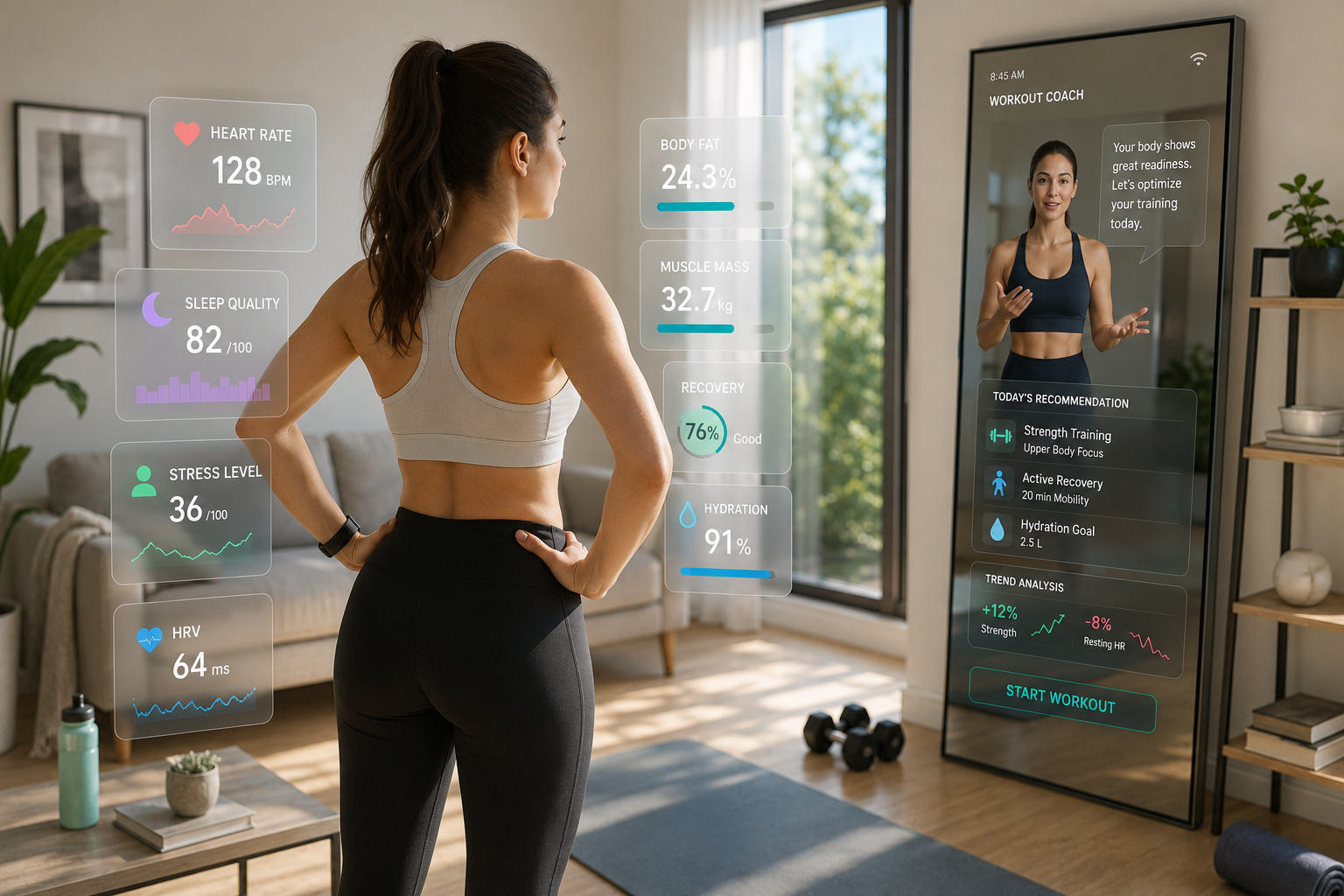
73% of urban adults already track their health with wearable tech — but should that data be coaching their every move? Dr. Anil Jain, Dr. Kate Darling, and Dr. Ryan Calo debate whether biometric coaching empowers individuals to live healthier lives or quietly erodes their autonomy over their own bodies.
Should biometric tracking be allowed to coach individuals on their health and fitness?
As biometric tracking technologies proliferate, they offer unprecedented insight into personal health data, raising an important question: can machines, equipped with vast amounts of data about our bodies, act as effective coaches? With the advent of wearable devices, smart clothing, and health monitoring apps, this query is more pressing than ever. While some experts tout the benefits of these technologies, others contend that relying on them for coaching could pose ethical dilemmas and potential risks to personal autonomy.
Context on the Current Landscape
In recent years, biometric tracking has transcended its niche origin, becoming an integral aspect of health management for many individuals. According to a recent survey, 73% of adults in urban areas utilize some form of health-tracking technology. This increase speaks to a burgeoning culture that prioritizes data-driven decision-making in personal wellness. With major players like IBM and MIT leading the way, the implications span across privacy, behavior, and health outcomes — making this debate essential.
Perspective: Pro Coaching Through Biometrics
Dr. Anil Jain, Chief Scientist at IBM, emphasizes the potential benefits of biometric coaching. He argues that data can be transformational for personal health:
"Biometric data, when analyzed properly, can lead to personalized health insights that empower individuals to make informed choices about their wellbeing. The potential for real-time feedback can result in enhanced adherence to health goals and improved outcomes."
From fitness regimens to dietary recommendations, biometric tracking provides tailored guidance that aligns with an individual's unique physiology. For instance, a device that tracks heart rates and physical activity can alert a person when to increase their exercise intensity, potentially maximizing performance while minimizing injury risk.
Dr. Kate Darling, a research specialist at the MIT Media Lab, concurs, particularly emphasizing the role of emotional appeal in technology:
"When users see their biometric data visualized, it can inspire motivation in ways that traditional coaching may not. A machine doesn't just measure one's effort; it recognizes metrics that showcase progression, creating a rewarding experience."
Darling highlights that this emotional engagement can lead to improved adherence to fitness programs, ultimately fostering healthier lifestyles.
Perspective: Ethics and Autonomous Decision-Making
In contrast, Dr. Ryan Calo, a law professor at the University of Washington, raises critical questions regarding personal autonomy and decision-making:
"When we allow machinery to coach us, we risk over-reliance on algorithms that may not comprehend the nuances of human experience. Biometric data is just numbers until paired with context, and machines can misinterpret or oversimplify complex health decisions."
Calo's concern underlines the importance of balancing technology with human intuition. Unlike human coaches who can adapt their feedback based on emotional states and social dynamics, algorithms may lack this flexibility, potentially undermining the individual's authority over their health choices.
Dr. Jain counters this by asserting that technologies include safeguards to promote informed decision-making: "These systems are designed to present recommendations rather than dictate choices. They can enrich knowledge without infringing on autonomy. People are still responsible for their health decisions, but data-enhanced recommendations can offer unparalleled support."
Editorial Synthesis
Where Experts Agree
Biometric data has the potential to provide personalized health insights that can enhance decision-making. The emotional engagement offered by health technologies can motivate individuals to stick to their wellness journeys. Appropriate safeguards are essential to ensure that biometric coaching does not undermine personal autonomy.
Where Experts Disagree
The extent to which biometric data can accurately represent an individual's health without context is debated. Experts also differ on the risks associated with over-reliance on algorithms for personal health decisions versus traditional coaching methods.
Why This Matters
The advent of biometric coaching presents a double-edged sword. On one hand, it offers a wealth of personalized data that can significantly improve individual health outcomes. On the other, it raises ethical concerns about autonomy, misinterpretation, and the reduction of human interaction to machine interfaces.
As technology becomes increasingly ingrained in personal wellness management, stakeholders must navigate these complexities thoughtfully. To truly benefit from these technologies, a balance must be struck where data serves as a guiding partner, rather than an unquestioned authority in personal health. Combating the skepticism surrounding biometric coaching will ultimately hinge on effective safeguards, rigorous ethical frameworks, and a renewed commitment to preserving the human element in health management.
The Balance Between Innovation and Autonomy
The advent of biometric tracking offers a revolutionary opportunity to harness data for personalized health coaching, potentially leading individuals towards better health outcomes. However, as we embrace these technologies, it is paramount to navigate the ethical landscape carefully. The risks to personal autonomy and privacy cannot be overlooked, and guidelines must be established to ensure that data is used ethically and transparently. While the potential benefits are significant, a balanced approach, which includes informed consent and individual agency, is essential. This will preserve the human element that is vital to effective coaching and personal well-being, ultimately allowing us to integrate technology into our lives without compromising our autonomy.

Dr. Anil Jain
Chief Scientist, IBM
"Biometric tracking offers unprecedented insights into personal health and performance. These devices can provide tailored guidance based on real data, potentially leading to better outcomes than traditional coaching methods."
𝕏 Dr. Anil Jain in Dr. Anil Jain
Dr. Kate Darling
Research Specialist, MIT Media Lab
"While biometric tracking can enhance personal coaching, we must consider the significant ethical and privacy concerns it raises. The potential for misuse of personal data warrants a cautious approach."
in Dr. Kate Darling
Dr. Ryan Calo
Law Professor, University of Washington
"The effective use of biometric tracking should not come at the cost of individual privacy. Implementing stringent regulations and safeguards can allow these technologies to be of benefit while protecting users' rights."
𝕏 Dr. Ryan Calo in Dr. Ryan CaloHow Does This Hit You?



No comments yet. Be the first to weigh in.