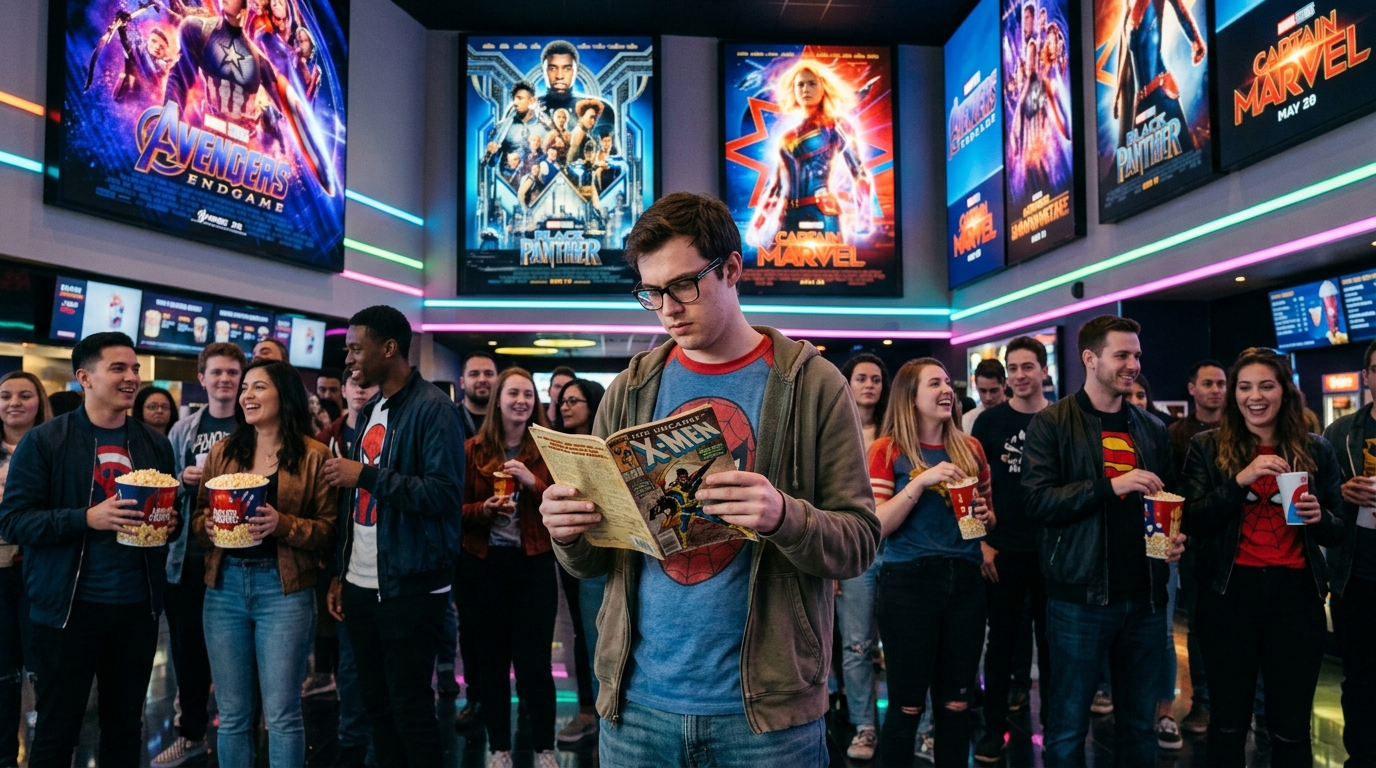
Comic books were once a refuge for outsiders — a place where the misunderstood found themselves in the margins of society reflected back at them. Then the MCU made superheroes the biggest thing on the planet. Scott Snyder, Gail Simone, and Mark Waid debate whether that's a victory for the culture or a quiet betrayal of it.
Comic books have long been a refuge for those who feel alienated or outside societal norms. But with the rise of the Marvel Cinematic Universe (MCU), a new question emerges: has the mainstream popularity of superhero narratives diluted the very essence of what made comic books a sanctuary for outsiders? This piece examines whether the MCU's success has compromised the authenticity and rebellious spirit of comic culture.
The Stakes: Why This Matters Now
As comic books permeate the mainstream through films, series, and merchandise, they have evolved from niche entertainment into cultural phenomena. This evolution comes with a dual aspect: while comic book characters like Spider-Man and the X-Men resonate broadly, they also instigate a potential loss of the subversive narratives that once defined them.
With recent debates on issues surrounding representation, identity, and the commercialization of countercultural narratives, the question lingers: Are comic book themes still relevant to those seeking solace in their pages, or have they become merely products of a profitable industry?
Perspective: Nostalgia for Outsider Culture
Scott Snyder, a prominent comic book writer and editor, acknowledges the historical role comic books have played in providing solace and representation for societal outsiders. "Comic books originally had a rawness to them — a sense of urgency and authenticity — that allowed people to see themselves in characters who were marginalized or misunderstood. They weren't just escapist fantasies; they were reflections of real struggles."
Snyder argues that the MCU, while undeniably popular, has sanitized some of these narratives. "The movies focus on spectacle and performative heroism, often glossing over the deeper psychological and social struggles that these characters embody. The original allure of comic books was about grappling with those challenges directly, rather than just showing how cool it is to wear a superhero costume."
Perspective: Embracing Change
On the contrary, Gail Simone, a well-known comic book writer and activist, perceives the MCU's influence as an opportunity rather than a threat. "Yes, the MCU has mainstreamed these stories and characters, but that doesn't negate the original work; rather, it amplifies it. Many who discover characters through the movies eventually delve back into the comics, rediscovering the more complex narratives that exist there."
Simone believes that the MCU can act as a gateway for a new generation. "Younger audiences might not turn to comics if they were still seen as niche. Now, their heroes are familiar and accessible, encouraging them to explore the deeper themes that have always existed in the source material."
Perspective: A Delicate Balance
Mark Waid, another legendary comic book writer and editor, takes a balanced view. He acknowledges the MCU's ability to introduce comic book characters to a broader audience. "The MCU has brought comic book storytelling to the forefront and has given new life to characters that were once on the brink of obscurity. It's a celebration of fandom. But there's a caveat: we must ensure that in the chase for mass appeal, the core themes — those that originally resonated with outsiders — aren't lost."
Waid posits that comic books need to adapt while preserving their original ethos. "If the medium caters solely to what's 'cool,' it runs the risk of alienating the very audience that helped shape it. We can't ignore the complexities that define people's stories; simplifying them could potentially diminish their cultural significance."
Editorial Synthesis
Where Experts Agree
The original appeal of comic books lay in their representation of outsider narratives. The MCU has undeniably increased the popularity of comic book characters across generations. There is a vital need to preserve narrative complexities in comic book storytelling.
Where Experts Disagree
Snyder believes the MCU has diluted essential themes in favor of spectacle, while Simone argues that it has made comic culture more accessible. Waid offers a middle ground but emphasizes caution against oversimplification — a concern that Snyder elevates in his critique.
Why This Matters
Understanding the dichotomy between comic books as a form of empowerment for outsiders and the seemingly homogenizing effects of the MCU is crucial for the industry's future. As comic book narratives continue to reach audiences worldwide, there arises an obligation to maintain the depth of their storylines. Embracing new fans is essential, but this should not come at the cost of losing the unique philosophies and struggles that birthed these characters.
More than just entertainment, comic books represent a cultural dialogue — one that must adapt but also remain rooted in the very challenges they intend to address. The key is to strike a balance between inviting newcomers into this vibrant world while ensuring that the voices of those originally reflected in these pages are not lost in the process.
Nostalgia Meets Mainstream: A Double-Edged Sword
The Marvel Cinematic Universe has undoubtedly reshaped the landscape of comic book culture, transitioning once niche characters into household names. However, this mainstream acceptance prompts a crucial reflection on authenticity versus commercialization. While millions now find joy in these stories, the essence that once resonated deeply with outsiders feels increasingly eclipsed by the spectacle. Experts like Scott Snyder remind us of the raw, transformative power of these narratives that were once grounded in real struggles. It’s essential for future storytelling to honor that founding spirit while embracing broader audiences—ensuring comic books remain a sanctuary for all, both in and out of the spotlight. The challenge lies in balancing popularity with authenticity, inviting fans new and old to engage with the undercurrents of identity and resistance that initially drew them in. In navigating this fine line, we can keep the heart of comic culture alive, even in Hollywood’s dizzying glare.
Scott Snyder
Comics Writer and Editor
"Snyder argues that, while the MCU has broadened comic book appeal, it risks diluting the raw, outsider essence that initially attracted many readers. He worries that commercialization can undermine the subversive and identity-defining qualities comics offered to marginalized groups."
𝕏 Scott SnyderGail Simone
Comic Book Writer and Activist
"Simone contends that the MCU has introduced a wider audience to the themes and stories found in comics, fostering a new generation who may also appreciate the more niche and outsider titles. She believes that this increased visibility can promote a broader acceptance of diverse narratives within the medium."
in Gail SimoneMark Waid
Comic Book Writer and Editor
"Waid believes that while the MCU has changed the landscape of comic book popularity, it should not be seen as a threat to the outsider charm of traditional comics. He argues that both mainstream and independent comics can coexist, reflecting various societal issues and catering to different audiences."
in Mark WaidHow Does This Hit You?



No comments yet. Be the first to weigh in.