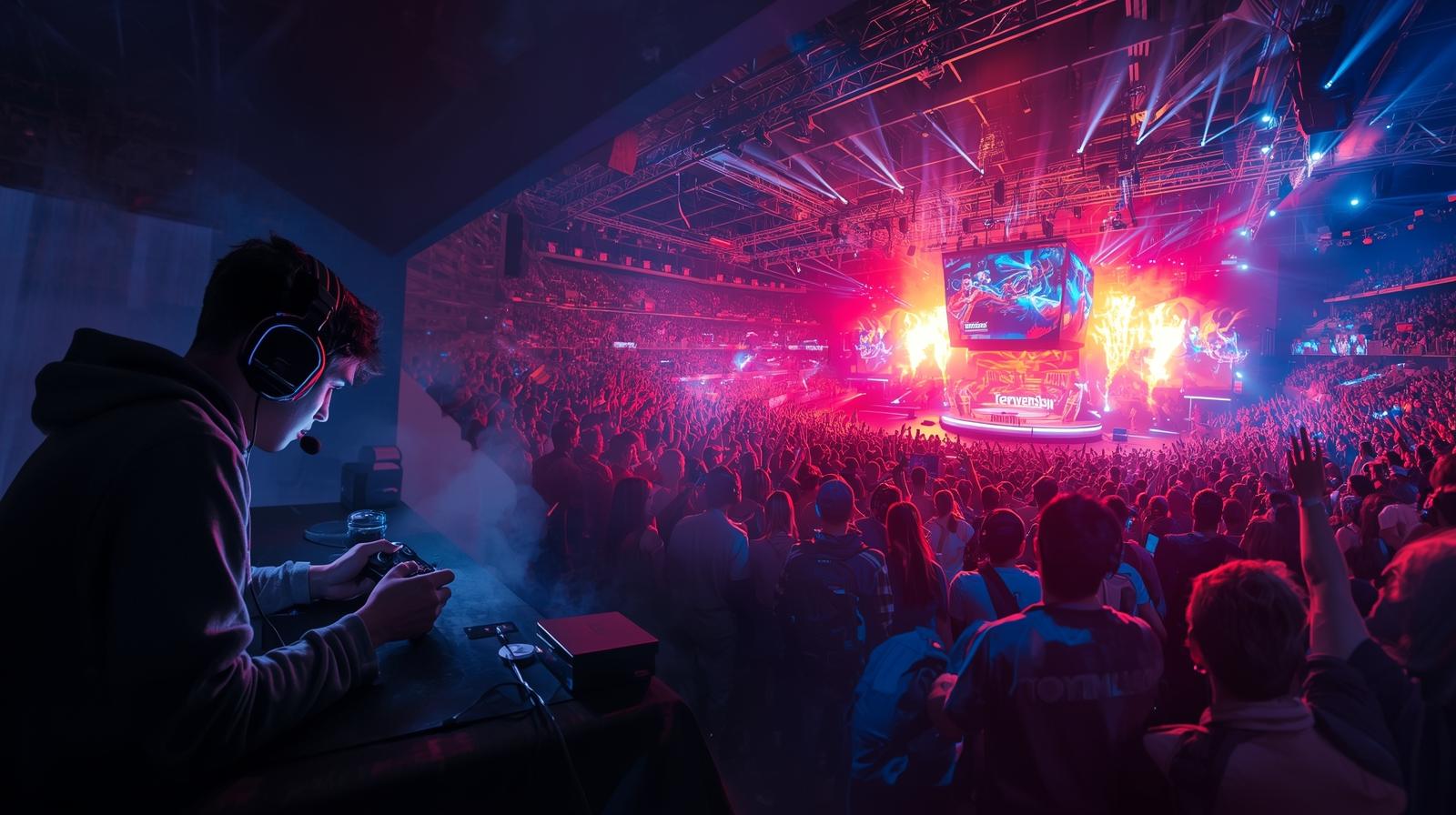
From Controllers to Crowds: The Evolution of Esports Event Culture The world of gaming has transcended its humble origins to become a global phenomeno...
The world of gaming has transcended its humble origins to become a global phenomenon. As the pixels and polygons of yesteryear transformed into vast, interactive universes, the culture surrounding competitive gaming—better known as esports—has evolved dramatically. This metamorphosis is not merely confined to the games themselves but extends to the very essence of community engagement, event organization, and viewing experiences. For aficionados of urban lifestyles, extreme sports, retro culture, and future-focused technology, the journey from controllers to crowds is not just a compelling narrative; it's a vibrant tapestry that reflects how far we've come and where we're headed.
The Birth of Competitive Gaming
Esports may appear to be a contemporary marvel, but its roots trace back to the early days of gaming. The first recorded video game competition took place in 1972, featuring the game Spacewar! at Stanford University. As the 1980s rolled in, gamers began participating in events like the Space Invaders Championship, which attracted thousands across the United States. Back then, gaming was primarily a solitary or small-group activity, confined to living rooms or arcades.
Fast forward to the 1990s, and competitive gaming underwent a significant shift with the introduction of multiplayer experiences and online gaming. Titles like Quake and StarCraft laid the groundwork for multiplayer tournaments, fostering communities that shared a passion for competition. The rise of LAN parties heightened this sense of community as gamers gathered to test their skills in a thrilling, face-to-face environment.
Yet, it wasn’t until the early 2000s with the launch of platforms like Twitch that gaming transformed into a spectator sport. Enthusiasts didn’t just want to play; they wanted to watch the best players showcase their skills. This shift laid the foundation for the exhilarating live esports events that now fill stadiums across the globe, drawing in crowds that rival traditional sports.
The Rise of Live Events: More Than Just Games
As esports gained traction, so did the organization of live events. From the relatively modest gatherings of the late 1990s to the opulent and extravagant arenas of today, esports tournaments have evolved into full-fledged entertainment spectacles.
The Spectacle of Major Tournaments
Starting in the early 2010s, tournaments such as The International and the League of Legends World Championship began redefining the event landscape. These events transformed the viewing experience from home to the arena, turning spectators into fans.
In 2018, The International offered a staggering prize pool of over $25 million, illustrating how lucrative competitive gaming had become. For many, esports tournaments have become the Super Bowl of their generation, drawing in not just dedicated fans but also mainstream media attention and sponsorships from brands like Coca-Cola and Red Bull.
What sets these events apart is the spectacle and entertainment they encompass. Advanced production techniques—including live commentary, LED displays, and immersive gaming setups—have made these tournaments not just competitions but full-blown performances that could easily stand alongside music festivals or major sports events.
Community Engagement and Culture
Esports events aren’t solely about the games; they serve as cultural touchpoints where communities gather to celebrate their shared passions. Dressed in team jerseys, fans convene, reminiscent of traditional sports gatherings, creating an electric atmosphere that resonates with excitement and camaraderie.
Moreover, the emergence of cosplay and fan meetups adds layers to the event experience, where fans can interact with one another, meet industry influencers, and engage with the game developers behind their favorite titles. Social media has also played a pivotal role in this evolution, amplifying fan experiences and creating a platform where individuals can share their thoughts, reactions, and hype leading up to—and during—the events.
The Future of Esports Events: A Digital-Physical Hybridity
Looking ahead, the evolution of esports event culture will likely continue to impact the broader gaming landscape. With technological advancements paving the way for innovative experiences, we can anticipate that future events will blend both digital and physical elements in unprecedented ways.
Virtual Reality and Augmented Reality
Technologies like Virtual Reality (VR) and Augmented Reality (AR) are set to change how we perceive and participate in esports events. Imagine attending a concert while wearing VR goggles, watching your favorite players compete from the comfort of your living room as if you were seated in a packed arena. Alternatively, AR could allow fans in stadiums to access real-time statistics and player data simply through their smartphones or smart glasses.
Evolving Formats and Inclusivity
Esports is known for embracing fluid formats and genres. We’re already seeing tournaments integrating new games and mechanics that cater to various player demographics. For instance, the rise of Battle Royale games, mobile esports, and casual gaming events reflects an understanding of a broader audience. Thus, the future will see more inclusivity within the esports culture, attracting diverse communities who cherish gaming as an art form and an athletic pursuit.
Conclusion
From the first competitive games played in dimly lit arcades to the electric atmospheres of today’s esports arenas, the evolution of esports event culture encapsulates a remarkable journey. This transformation highlights the intersection of technology, community, and entertainment, resonating deeply with urban lifestyle enthusiasts, extreme sports fanatics, retro culture lovers, and futurists alike.
As we stand on the brink of even more groundbreaking innovations in gaming and event organization, one fact remains clear: the world of esports is not just another chapter in the gaming narrative; it symbolizes the unyielding passion and creativity of a generation that has turned controllers into cultural icons and crowds into global communities. Gear up, because the next level of esports culture is just around the corner, and it promises to take us on an exhilarating ride into an uncharted future.
How Does This Hit You?

No comments yet. Be the first to weigh in.