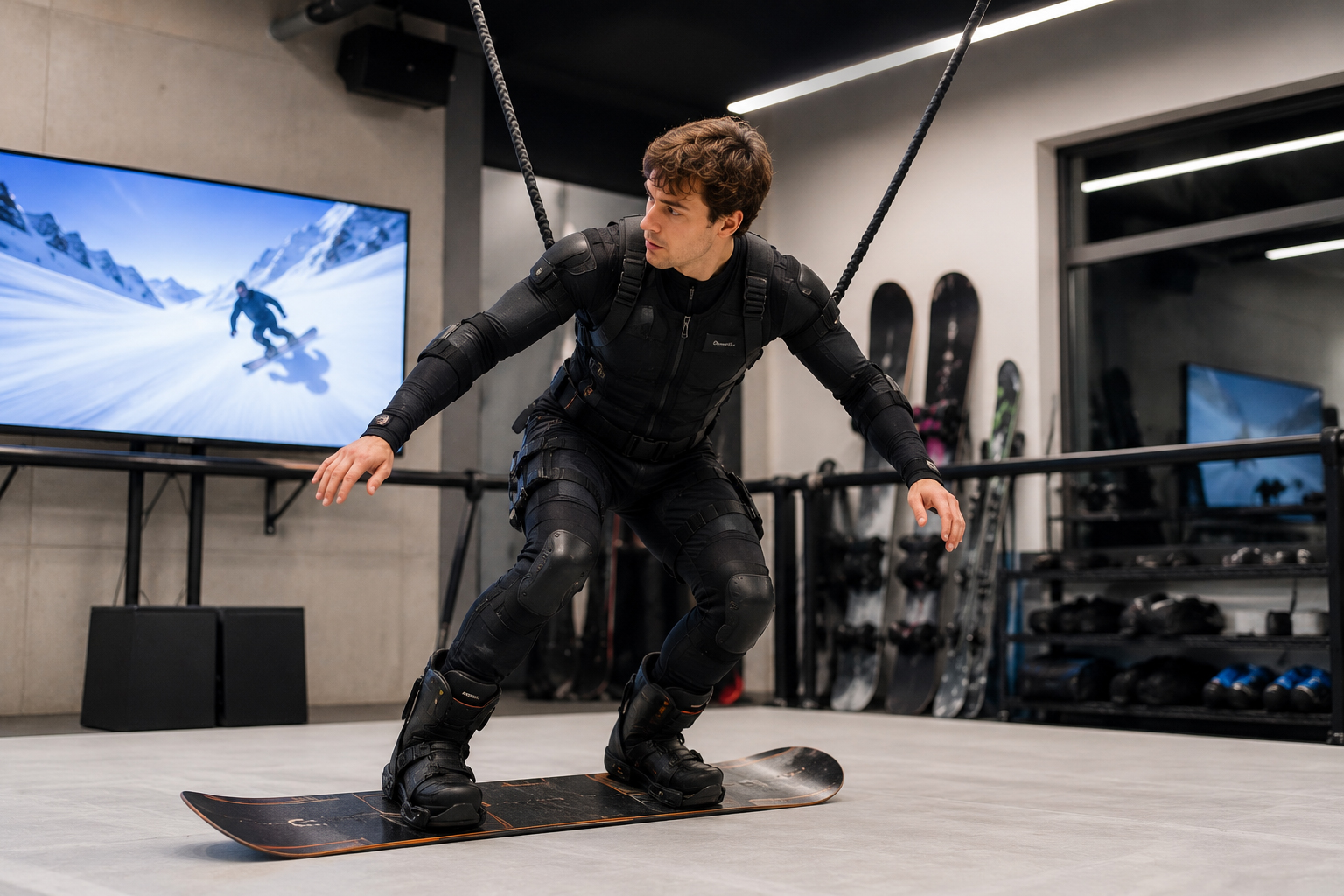
A suit that lets you feel a crash without actually crashing sounds like the future of extreme sports training — but does simulating the fall actually prepare you for it? Dr. Richard Marks, Sara Cohen, and Dr. Emily Choi debate whether haptic feedback technology is a training breakthrough or a sophisticated distraction from the real thing.
As extreme sports continue to push the limits of human capability, a new technological innovation is emerging: haptic feedback suits. Promising to let athletes feel every twist, turn, and crash without the physical toll, are these suits the next step in training, or merely a tantalizing distraction from committing to the real thing?
Context: The Intersection of Technology and Risk
In an era where technology permeates every aspect of our lives, extreme sports enthusiasts are increasingly looking for ways to mitigate risk while enhancing performance. Haptic feedback technology — which uses vibrations and other tactile sensations to simulate physical experiences — is being heralded as a revolution in sports training. This matters now more than ever as athletes confront the reality of injuries and long recovery times in extreme sports like snowboarding, surfing, and skateboarding.
Perspective: Embrace the Technology
Dr. Richard Marks, Director of Sony PlayStation's Immersive Technology Group, views haptic feedback suits as transformational. "The future of sports training lies in technology that not only enhances our physical abilities but also safely prepares us for the real challenges ahead. These suits can provide athletes with the risk-free experience of failure, training them without real-world consequences."
Marks elaborates that haptic feedback could simulate various scenarios — from gentle falls to strenuous jumps — allowing athletes to understand their limits and refine their skills without the fear of injury, potentially accelerating the learning curve for newcomers.
Sara Cohen, an extreme sports enthusiast and coach, champions the technology for fostering confidence. "The psychological aspect of extreme sports is significant; athletes often hesitate to attempt difficult maneuvers due to fear of injury. Haptic feedback suits could build mental resilience, helping athletes push their boundaries in controlled environments before taking the plunge into reality."
Perspective: Caution and Skepticism
Conversely, Dr. Emily Choi, a research scientist specializing in human-computer interaction, expresses cautious skepticism. "While the idea of feeling a crash in a safe environment is appealing, it raises concerns about true preparedness. There's a fundamental difference between experiencing a sensation through a suit and actually experiencing it in reality. Can we truly replicate the physical and mental demands of extreme sports?"
Choi worries that athletes may become reliant on these suits, potentially dampening their instinctive responses to danger and risk. "The best teachers in extreme sports are the falls and injuries themselves. They build character and resilience, traits that a suit cannot simulate."
Editorial Synthesis
Where Experts Agree
Haptic feedback suits hold promise for enhancing training by simulating experiences without physical injury. Athletes — particularly beginners — could benefit from increased confidence and reduced fear of failure. The technology has the potential to alter the psyche of athletes, making them more willing to take risks in real life after controlled training sessions.
Where Experts Disagree
The effectiveness of haptic feedback in preparing athletes for real-world challenges is debated. Marks and Cohen emphasize the advantages for confidence and skill development, while Choi is concerned about the reliability of virtual sensations versus real experiences. Differing views also exist on whether these suits could encourage over-reliance, detracting from the lessons learned through actual physical engagement.
Why This Matters
Haptic feedback suits stand at the intersection of innovation and tradition — promising safety and skill advancement while raising questions about an athlete's connection to their sport. As Dr. Marks suggests, such technology could rewire the way athletes train and perform. However, as Dr. Choi cautions, the essence of extreme sports lies in the visceral, raw experiences that cannot be fully captured or replicated through technology.
The thrill of the sport — both its risks and rewards — will remain a vital element, whether it's curated digitally or lived in reality.
Navigating the Fine Line Between Innovation and Participation
The advent of haptic feedback suits in extreme sports training presents an exciting opportunity to mitigate risk and enhance skill development. While the technology can offer novice athletes a safe space to explore and understand the nuances of various sports, we must tread carefully. Over-reliance on simulations could foster a culture that sidesteps the authenticity and commitment required in extreme sports. The balance lies in utilizing these suits as supplementary training tools rather than substitutes for real-world experience. As we embrace this innovation, we should encourage athletes to blend digital experiences with practical challenges, ensuring that the thrill of the sport remains intact and that risk-taking is part of their journey. In the end, technology should augment our passions, not replace them.
Dr. Richard Marks
Director, Sony PlayStation's Immersive Technology Group
"Haptic feedback suits can revolutionize extreme sports training by providing a realistic sense of physical connection and risk without the associated dangers. This technology can enhance muscle memory and decision-making under pressure, making athletes better prepared for real-life scenarios."
𝕏 Dr. Richard Marks in Dr. Richard Marks
Sara Cohen
Extreme Sports Enthusiast and Coach
"While haptic feedback may offer some benefit in training, it ultimately cannot replace the visceral experience of actual risk and environment that athletes face in extreme sports. Over-reliance on simulation could create a false sense of security and hinder true skill development."
in Sara Cohen
Dr. Emily Choi
Research Scientist, Human-Computer Interaction
"While haptic feedback suits offer intriguing possibilities for enhancing training experiences, it's essential to conduct thorough research on their effectiveness over traditional methods. They may serve as valuable tools but should complement, not replace, real-world training."
in Dr. Emily ChoiHow Does This Hit You?



No comments yet. Be the first to weigh in.