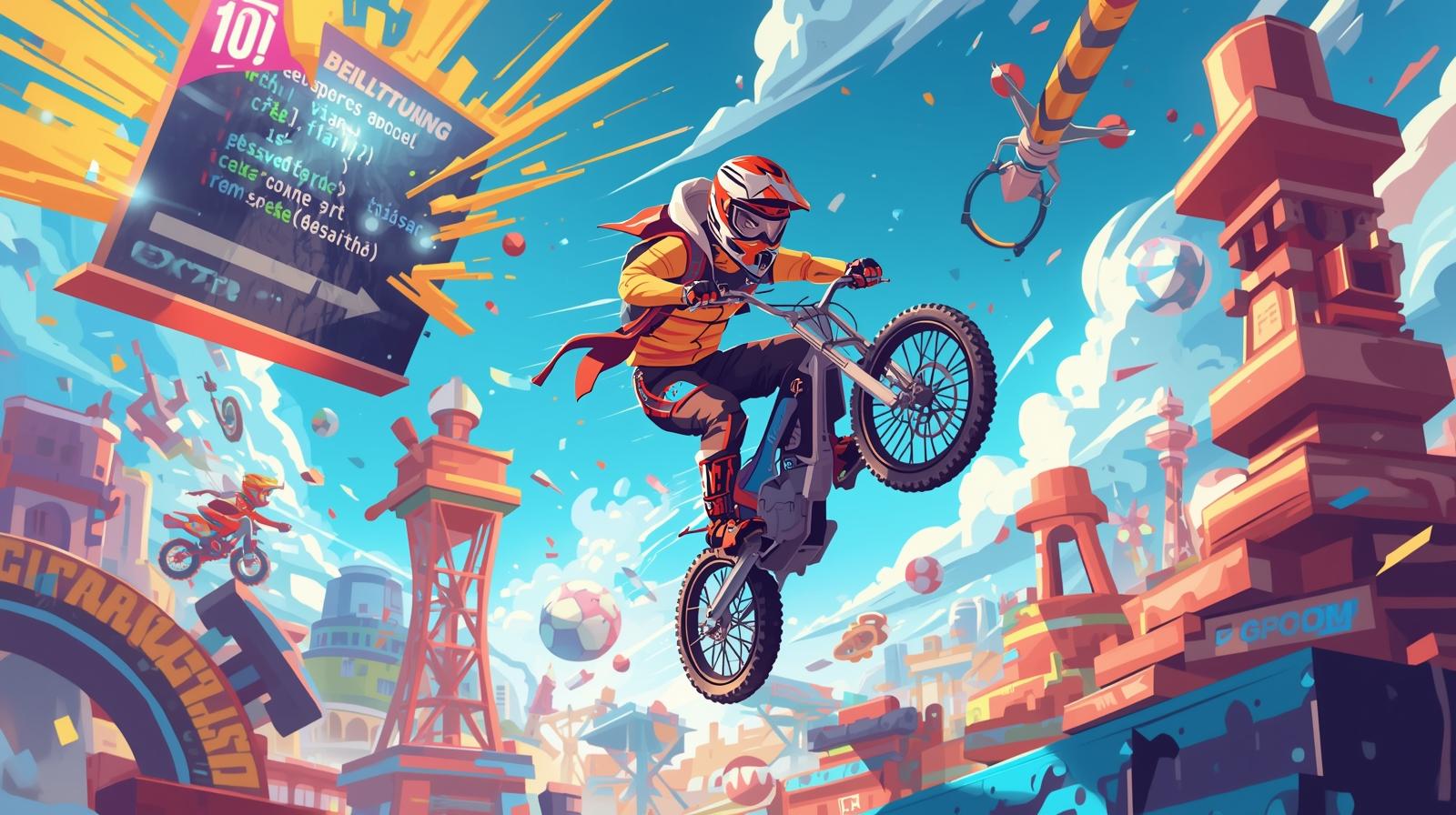
How Indie Developers Are Designing Games That Celebrate Extreme Sports The world of gaming has undergone a profound transformation over the past decad...
How Indie Developers Are Designing Games That Celebrate Extreme Sports
The world of gaming has undergone a profound transformation over the past decade, with indie developers emerging as key players in this evolving landscape. No longer confined by the limitations of big studios, these independent creators are boldly venturing into niche themes and unique narratives. One of the most electrifying areas they are exploring is extreme sports—a genre that perfectly aligns with the urban lifestyle, thrills, and the rebellious spirit that resonates with many gamers today. This blog post dives into how indie developers are capturing the exuberance of extreme sports through innovative game design, unique mechanics, and immersive storytelling.
The Rise of Extreme Sports in Gaming
As extreme sports continue to gain popularity around the globe, they are becoming an influential cultural phenomenon. Whether it's skateboarding, snowboarding, BMX biking, or parkour, these sports offer an adrenaline rush that resonates with fans and slaps a big "YES!" sticker on the idea of freedom in movement. Indie developers are keenly aware of this trend and are strapping on their virtual helmets to create games that encapsulate this lifestyle and its vibrant culture.
One significant factor contributing to the rise of extreme sports in gaming is the ability of indie developers to push the envelope. Unlike their larger counterparts, indie studios often have more freedom to take creative risks. They can incorporate unique visual styles, experiment with unconventional gameplay mechanics, and tell stories that capture the essence of the urban lifestyle. The result? Games that provide experiences far removed from traditional sports simulations.
Innovative Mechanics that Capture the Thrill
When it comes to integrating extreme sports into the gaming world, mechanics are pivotal. Indie developers are constantly tinkering with gameplay elements to create the most exhilarating experiences possible. For instance, consider the introduction of combo systems that reward players not just for completing stunts but also for chaining multiple tricks together in a flow that mimics a real-life jam session on a skateboard. Titles like "OlliOlli World" or "Tony Hawk's Pro Skater" series have popularized this idea, but indie creations are paving their own way with unique variations.
Another innovation lies in the world-building aspect. Games like "Descenders" have incorporated procedural generation to create vast, ever-changing landscapes—emulating the unpredictability of nature in extreme sports. This approach encourages players to explore and experiment with their skills, just as they would in the real world. The environments frequently feature elements that challenge players, such as steep hills, treacherous turns, and obstacles that require acute timing and precision—a masterclass in immersion.
Armchair adventurers are also lured by games that offer a high degree of customization. Whether dressing their characters in the latest streetwear or modifying their gear for optimal performance, indie games make these choices integral to gameplay. They give players the ability to express themselves not only through style but also through gameplay strategies, enhancing their connection to the sport and the game.
Storytelling: Urban Culture Meets Extreme Sports
One of the most captivating aspects of indie games is their ability to weave compelling narratives that reflect urban culture and extreme sports. Instead of merely focusing on the mechanics, indie developers are telling stories that embody the essence of these activities—stories that highlight resilience, community, and self-discovery.
In games like "Skate City," players follow a narrative that explores the journey of a young skateboarder navigating the challenges of city life. Here, the urban environment acts as both a backdrop and a character, influencing the player’s journey. This theme resonates with many who have found their own rhythms and identities within urban spaces. Such narratives give depth to the gameplay and encourage players to connect on an emotional level, extending the game experience beyond mere stunts.
Moreover, the stories often touch on themes of friendship, rivalry, and the quest for personal growth—elements that resonate deeply with anyone familiar with extreme sports culture. For instance, "Lonely Mountains: Downhill," tackles not just the thrill of downhill biking but also the peace and solitude that comes with it, illustrating how sports serve as both an escape and a form of expression.
There’s also an emphasis on representing diverse characters from various backgrounds, which allows indie games to break stereotypes often associated with extreme sports. Choosing to acknowledge female skateboarders or depict skaters from underrepresented communities can inspire a new generation of gamers, making them feel welcome in spaces where they might not have felt included before.
Embracing Technology: The Future of Extreme Sports Gaming
Modern technology is one of the main driving forces behind the evolution of indie games focused on extreme sports. As graphics engines become more powerful and development tools become more accessible, indie creators are able to craft visually stunning and immersive experiences. Virtual reality (VR) is particularly exciting in this regard, offering players the chance to virtually participate in extreme sports, manipulating their bodies to soar through the air or coast down mountains.
Additionally, augmented reality (AR) holds potential for blending the physical world with the gaming experience. Imagine encountering a virtual skate park in your city’s plaza, where you could practice tricks and challenges in real-time with friends. Such integrations could redefine how we interact with our environment, adding a dynamic layer to the urban lifestyle that indie developers are already championing.
Furthermore, the rise of online communities and social platforms specifically designed for gamers allows for richer multiplayer experiences. Platforms like Discord and Twitch foster fierce communities where players can share tips, showcase their skills, and even organize competitions—all of which are vital for the tight-knit communities often found in extreme sports.
Conclusion
Indie developers are carving out an exhilarating niche in the gaming industry, one that celebrates and elevates extreme sports. By championing innovative mechanics, compelling narratives, and leveraging cutting-edge technology, they are crafting experiences that resonate deeply with gamers who value urban lifestyles, adrenaline-fueled drafts, and the thrill of competition. As these creators continue to break new ground, the future looks bright for extreme sports gaming, promising excitement not just for fans of the genre, but for anyone looking to embrace exhilarating experiences that challenge their perceptions of what gaming can be. The urban playgrounds of extreme sports are just beginning to be explored—so gear up and get ready for the ride ahead!
How Does This Hit You?


vluoqlxtoyzritdreltoxepskwsnjr
Hello Rollingrhythm Life Owner, My name is Eric and I’m betting you’d like your website Rollingrhythm Life to generate more leads. Here’s how: Web Visitors Into Leads is a software widget that works on your site, ready to capture any visitor’s Name, Email address, and Phone Number. It signals you as soon as they say they’re interested – so that you can talk to that lead while they’re still there at Rollingrhythm Life. Visit https://blastleadgeneration.com to try out a Live Demo with Web Visitors Into Leads now to see exactly how it works and even give it a try… it could be huge for your business. Plus, now that you’ve got their phone number, with our new SMS Text With Lead feature, you can automatically start a text (SMS) conversation quickly… which is so powerful because connecting with someone within the first 5 minutes is 100 times more effective than waiting 30 minutes or more later. The new text messaging feature lets you follow up regularly with new offers, content links, even just how are you doing? notes to build a relationship. Everything I’ve just described is extremely simple to implement, cost-effective, and profitable. Visit https://blastleadgeneration.com to discover what Web Visitors Into Leads can do for your business, potentially converting up to 100 times more eyeballs into leads today! Eric PS: Studies show that 70% of a site’s visitors disappear and are gone forever after just a moment. Don’t keep losing them. Web Visitors Into Leads offers a complimentary 14-day trial – and it even includes International Long Distance Calling. You have customers waiting to talk with you right now… don’t keep them waiting. Visit https://blastleadgeneration.com to try Web Visitors Into Leads now. If you'd like to Want to receive fewer emails, or none whatsoever? Update your email preferences by visiting https://blastleadgeneration.com/unsubscribe.aspx?d=rollingrhythm.life
ypmttypkuttwdwmuqldsztghqtlxsr
hmseudqolkpewzfxhttikevmujhwoy