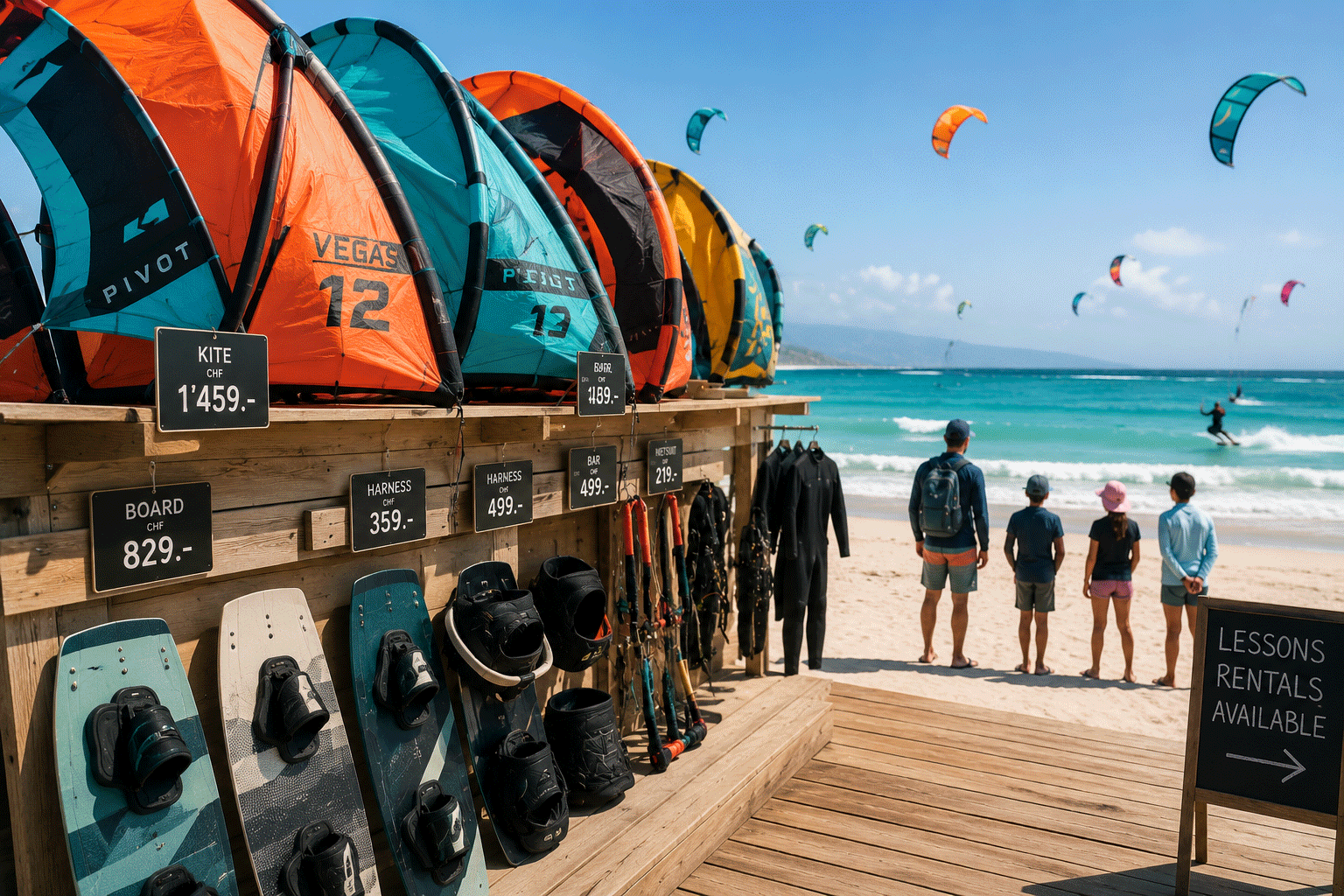
Kitesurfing was once celebrated as a sport that could democratize access to the ocean. But rising costs, environmental pressures, and growing competition for space are challenging that vision. Can the sport remain inclusive while protecting the ecosystems that make it possible?
Over the last two decades, kitesurfing has evolved from a niche adventure sport into a global phenomenon.
Celebrated for its freedom, accessibility, and connection to nature, the sport was once viewed as a powerful way to democratize access to the ocean. With little more than a kite, a board, and the willingness to learn, enthusiasts could experience a unique form of wind-powered exploration.
Yet as participation has grown, so have the challenges.
Today, rising equipment costs, environmental concerns, and increasing competition for access to waterways have prompted a difficult question:
Can kitesurfing still fulfill its promise of inclusivity, or is it becoming a sport reserved for the privileged few?
Why This Matters Now
Kitesurfing's popularity continues to expand worldwide.
At the same time, broader trends—including economic uncertainty, environmental degradation, and increasing demand for coastal recreation—are reshaping the future of ocean access.
What was once considered a relatively affordable entry point into watersports is becoming more expensive. Meanwhile, the environmental footprint of growing participation is drawing scrutiny from conservationists and policymakers alike.
As communities seek ways to balance recreation, accessibility, and sustainability, the future of kitesurfing offers a valuable case study.
Expert Perspectives
Perspective: Commercialization Challenges
Kirk Mckinney, Director of the Kiteboarding Association
Kirk Mckinney argues that commercialization has fundamentally altered the accessibility of kitesurfing.
According to him, the sport initially gained traction because of its relatively open and welcoming nature.
“The sport was embraced for its accessibility—anyone could pick it up with the right kite and board.”
However, growing demand has pushed costs significantly higher.
Quality equipment can easily exceed $2,000, while lessons, certifications, travel expenses, and association memberships add further financial burdens.
Mckinney believes these rising costs create meaningful barriers for newcomers.
“We're not only witnessing an increase in gear costs but also a rise in membership fees for schools and associations.”
The Accessibility Challenge
The result, he argues, is a shift from inclusivity toward exclusivity.
For many potential participants, especially younger individuals and lower-income families, entering the sport has become increasingly difficult.
Additional Concern: Crowded Waters
As participation grows, competition for space can also discourage beginners.
Experienced riders often dominate popular locations, creating an intimidating environment for newcomers still developing confidence and skills.
Key Takeaway
- Equipment costs continue to rise.
- Training and membership fees increase financial barriers.
- Crowded locations can discourage new participants.
Perspective: Environmental Impact
Laura Nguyen, Environmental Policy Analyst
Laura Nguyen introduces another critical dimension to the conversation: sustainability.
While kitesurfing is often viewed as an environmentally friendly sport compared to motorized water activities, Nguyen warns that rapid growth brings unintended ecological consequences.
“With rising numbers of kitesurfers, we see more human activity in delicate ecosystems.”
She points to several areas of concern:
- Increased pressure on coastal habitats
- Disturbance of wildlife
- Waste generation
- Greater strain on sensitive shoreline ecosystems
Growth Without Stewardship
Nguyen argues that some operators prioritize expansion and profitability without adequately addressing environmental responsibility.
“If the industry doesn't prioritize environmental stewardship, we risk the erosion of pristine waters and habitats essential to marine life.”
According to Nguyen, environmental degradation could ultimately limit access to some of the very locations that attract kitesurfers in the first place.
A Shared Responsibility
She advocates for stronger sustainability standards, environmental education, and responsible management practices.
“If we approach kitesurfing with a shared sense of privilege and responsibility, we can begin true democratization—not just in access but in ecological integrity.”
Key Takeaway
- Increased participation can affect fragile ecosystems.
- Sustainability must become a core priority.
- Long-term access depends on environmental protection.
Perspective: Community and Access
Eric Fischoff, Founder of the Access to the Ocean Initiative
While acknowledging the challenges, Eric Fischoff remains optimistic about the future of inclusivity in kitesurfing.
He argues that grassroots organizations and local communities have already demonstrated that barriers can be reduced through targeted initiatives.
“While the costs and environmental challenges are real, we've also seen grassroots movements that advocate for inclusivity and access.”
Expanding Opportunities
Fischoff highlights programs that provide:
- Subsidized lessons
- Equipment-sharing initiatives
- Rental assistance
- Youth outreach programs
- Community education efforts
These initiatives help broaden participation beyond traditional demographic groups.
Redefining Access
For Fischoff, access is about more than affordability.
It also involves awareness, mentorship, and community engagement.
“Often, it's about redefining access beyond just financial means.”
By exposing more people to the sport and providing clear pathways into participation, communities can cultivate a more diverse and inclusive kitesurfing culture.
Key Takeaway
- Community-driven programs can lower barriers.
- Education and mentorship are essential.
- Greater diversity can strengthen the sport's future.
Editorial Synthesis
Where Experts Agree
Commercialization Has Increased Costs
All perspectives acknowledge that participation has become more expensive as the sport has matured and expanded.
Environmental Concerns Must Be Addressed
Experts agree that the long-term sustainability of kitesurfing depends on protecting coastal ecosystems and natural resources.
Community Support Can Improve Access
Grassroots initiatives, local organizations, and outreach programs can play an important role in making the sport more accessible.
Where Experts Disagree
Is Commercialization a Permanent Problem?
- Mckinney believes commercialization is creating lasting exclusion.
- Fischoff argues that community action can offset many of these barriers.
What Is the Greatest Threat to Access?
- Nguyen views environmental degradation as a major limiting factor.
- Fischoff believes sustainable access programs can help address both participation and environmental challenges simultaneously.
Why This Matters
The debate surrounding kitesurfing reflects larger questions about the future of outdoor recreation.
As sports grow in popularity, they often face the same tensions:
- Accessibility versus exclusivity
- Growth versus sustainability
- Commercial success versus community values
Kitesurfing sits at the intersection of all three.
The sport's future will depend on whether stakeholders can preserve the sense of freedom and accessibility that fueled its rise while adapting to new economic and environmental realities.
Conclusion
Kitesurfing was once celebrated as a sport capable of opening the ocean to everyone.
Today, that vision faces real challenges.
Rising costs, environmental pressures, and increasing competition for access threaten the inclusivity that originally defined the sport. Yet the outlook is not entirely pessimistic.
Community-driven initiatives, sustainability efforts, and targeted access programs demonstrate that solutions are possible.
The question is not whether kitesurfing can remain inclusive.
The question is whether the industry, local communities, and participants are willing to work together to ensure that growth does not come at the expense of accessibility or environmental health.
If they succeed, kitesurfing may still fulfill its original promise—not simply as a sport, but as a gateway to the ocean for future generations.
The dream of democratized ocean access is still alive. Its future, however, will depend on the choices made today.
Kitesurfing's Challenge: Balancing Accessibility and Sustainability
Kitesurfing was once celebrated as a democratizing force that would open up the oceans to everyone, regardless of their background. However, as commercialization takes the forefront, we face a crucial turning point. The rising costs of equipment, training, and membership fees have created tangible barriers for enthusiasts from diverse socio-economic backgrounds. Additionally, the sport's growth has led to overcrowding and possible tensions on the water, further isolating newcomers. Moreover, environmental impacts, such as the carbon footprint of gear production and potential habitat disruption, add another layer of complexity to this issue. To truly uphold the spirit of democratization, the kitesurfing community must actively seek solutions that prioritize inclusivity and sustainability, ensuring that the oceans remain a playground for all—not just the privileged few. Only then can kitesurfing redeem its original promise to be a sport for everyone.
Kirk Mckinney
Director, Kiteboarding Association
"Kirk advocates for kitesurfing as a means to democratize ocean access, arguing that it empowers individuals of all backgrounds to engage with the sea and promote environmental stewardship."
𝕏 Kirk Mckinney in Kirk Mckinney
Laura Nguyen
Environmental Policy Analyst
"Laura highlights the benefits of kitesurfing while also emphasizing the hidden costs, such as environmental damage and economic barriers that can emerge, suggesting a need for responsible management."
𝕏 Laura Nguyen in Laura NguyenEric Fischoff
Founder, Access to the Ocean Initiative
"Eric argues that while kitesurfing can offer widespread access, the high costs associated with gear and lessons can exclude many potential participants, ultimately undermining the sport's democratic promise."
𝕏 Eric Fischoff in Eric FischoffHow Does This Hit You?



No comments yet. Be the first to weigh in.