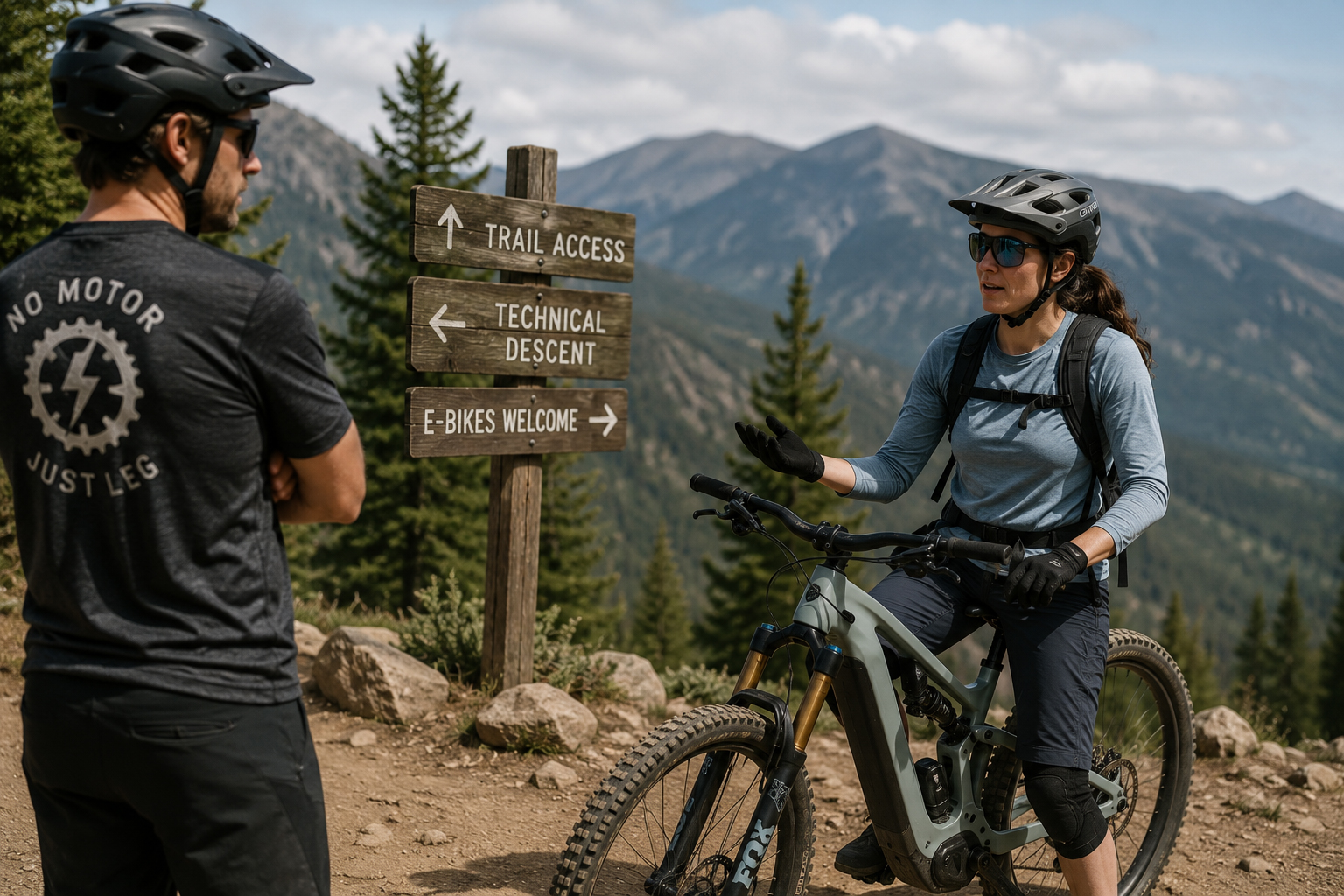
Electric mountain bikes now account for nearly half of all mountain bike sales — and the purists are not taking it well. Jill Kintner, Skip Brown, and Marty O'Connor debate whether eMTBs are opening the sport to a new generation or quietly eroding everything that made it worth riding in the first place.
Has the introduction of electric mountain bikes (eMTBs) marked the downfall of traditional mountain biking, or is it simply a natural evolution of the sport? As purists voice their grievances and traditionalists rally around their analog steeds, a growing community embraces the electrification of the trails — prompting an impassioned debate.
Context: The Shift in Mountain Biking
The rise of eMTBs has become a salient topic in the biking community, with discussions heightened by technological advancements and the growing demand for inclusivity in outdoor sports. The recent surge in eMTB sales, which has approached 50% of the total mountain bike market in the last year, has split enthusiasts down the middle: some consider it a boon for the sport's accessibility, while others see it as a direct threat to the cycling ethos.
Perspective: Embracing Change
Jill Kintner, a renowned professional mountain biker, supports eMTBs as a means to diversify and enrich the sport. In her view, electric bikes enhance the riding experience, allowing both new and seasoned riders to traverse more challenging terrains and enjoy longer rides. Kintner states, "eMTBs can level the playing field, enabling those who might struggle physically or lack the technical skills to experience the beauty of our trails."
Further emphasizing this point, Kintner highlights the potential for eMTBs to draw more people into mountain biking, fostering a larger community that can advocate for trail access, environmental conservation, and the future of the sport. "It's about growing our sport, and eMTBs have the power to inspire a whole new generation," she posits.
Perspective: Tradition vs. Innovation
Conversely, Skip Brown, editor of Mountain Bike Action, presents a more cautious viewpoint that aligns with the preservation of traditional mountain biking. He articulates concerns about eMTBs potentially diluting the core values of the sport, which revolve around physical exertion and technical skill enhancement. Brown argues, "The thrill of mountain biking comes from mastering the terrain, pushing your limits, and experiencing nature in its rawest form. The moment we introduce motorized assistance, we risk losing the essence of what mountain biking is truly about."
Brown's hesitance is echoed by many purists who fear that the ease of eMTBs may lead to illegal trail use, increased erosion, and a stark contrast in trail etiquette where faster, motorized riders may disrupt the experience for traditional bikers. He believes that preserving the challenge instills respect for the sport and keeps its community tight-knit.
Perspective: Finding a Middle Ground
Marty O'Connor, founder of Pure Mountain Bikes, acknowledges the benefits of both sides, advocating for a balanced approach. O'Connor contends that eMTBs should not be demonized but rather integrated thoughtfully into the existing frameworks of mountain biking. "There's room for both traditional and electric mountain biking on the trails. It's essential to establish clear guidelines that can accommodate both communities," he states.
O'Connor emphasizes that riders can foster coexistence through education about responsible riding practices and by establishing designated trails for electric and traditional mountain bikes. His perspective suggests that compromise is the key to ensuring the longevity of mountain biking as a whole.
Editorial Synthesis
Where Experts Agree
Both Kintner and O'Connor view eMTBs as a means to welcome more riders into the sport, contributing to a larger community. All experts recognize the importance of responsible riding practices to protect trails and ensure coexistence between different types of bikers.
Where Experts Disagree
Brown advocates for preserving traditional values and the physical challenge of mountain biking, while Kintner and O'Connor see potential benefits in evolution and adaptation. The extent to which eMTBs might affect trails environmentally also remains a point of contention.
Why This Matters
The debate surrounding electric mountain biking raises fundamental questions about the evolution of sports, the impact of technology on traditional practices, and what community means in the face of change. In an era where sports need to adapt to remain relevant and inclusive, understanding the diverse perspectives within the mountain biking community is vital.
As more riders venture onto the trails, the dialogue surrounding eMTBs serves as a mirror reflecting broader societal dilemmas: preserving tradition versus embracing innovation. Finding a path that respects both the riding experience and the evolving nature of sports could ultimately lead to a richer and more diversified mountain biking culture. This is a pivotal moment for the sport — one that could define its future trajectory for generations to come.
Navigating the Divide: Tradition and Innovation in Mountain Biking
The debate surrounding electric mountain bikes (eMTBs) encapsulates a pivotal moment for mountain biking, a sport that thrives on its spirit of adventure and community. While purists may lament the rise of eMTBs as a departure from tradition, it is crucial to recognize the potential of these bikes to expand access and enhance the riding experience for a broader audience. Rather than viewing eMTBs as a threat, we should embrace them as a complement to traditional biking, fostering inclusivity and encouraging new enthusiasts to join our ranks. As the sport evolves, it is our responsibility to adapt and welcome innovations that promote greater enjoyment of the trails for all riders. The roots of mountain biking are not being lost; they are branching out into exciting new territories that honor the essence of what riding can be for everyone. Let’s celebrate both our heritage and our future on two wheels.

Jill Kintner
Professional Mountain Biker
"Kintner argues that electric mountain bikes make the sport more accessible, allowing a broader audience to enjoy the thrill of mountain biking. She believes that rather than detracting from the sport, e-bikes can introduce new riders and foster a more inclusive community."
𝕏 Jill Kintner in Jill Kintner
Marty O'Connor
Founder, Pure Mountain Bikes
"O'Connor argues that the rise of e-bikes dilutes the physical challenge and artistry of mountain biking. He believes this trend strays from the original spirit of the sport, favoring technology over rider skill and experience."
𝕏 Marty O'Connor in Marty O'ConnorHow Does This Hit You?


No comments yet. Be the first to weigh in.