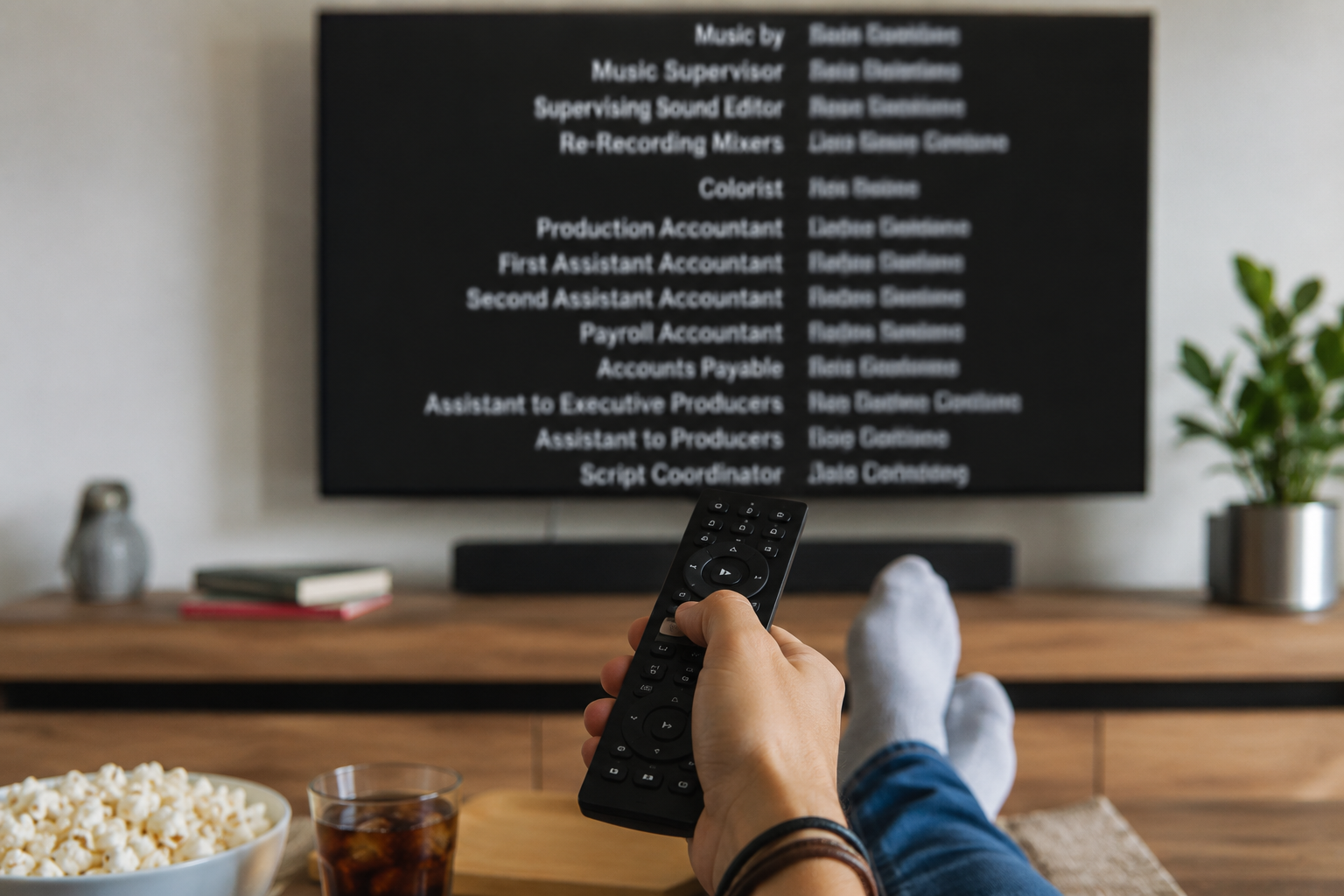
57% of viewers skip the credits entirely — and in a world of autoplay and endless queues, the names behind the work are disappearing faster than ever. Jessica Pressler, Kevin Kelly, and Eliana Dockterman debate whether streaming has killed the concept of authorship or simply moved it somewhere new.
As streaming platforms dominate the landscape of entertainment consumption, a pressing question arises: has the convenience of instant access overshadowed the vital contributions of those behind the scenes? In an era where most audiences binge-watch series without a second thought given to the credits, we must ask — has streaming effectively diminished the concept of authorship in film and television?
Context
The rise of streaming services like Netflix, Amazon Prime, and Disney+ has transformed how audiences engage with media. According to a recent report, 57% of people skip credits entirely, driven by the desire for immediate gratification from next episodes or movies. This new viewing behavior raises important questions regarding recognition, tribute, and ownership — elements that are critical in understanding the creative industries.
Expert Perspectives
Perspective: Jessica Pressler
Jessica Pressler, a journalist and author known for her insightful analyses of pop culture, argues that the decline of credit reading reflects a broader societal shift towards instant gratification and disengagement from the labor involved in creative production. Pressler states, "The binge culture has deskilled audiences into viewing content as merely background noise. This has not only diluted the recognition for writers, directors, and producers but also detaches us from engaging meaningfully with their artistic intentions."
Pressler emphasizes that understanding the authorship behind a piece of art enhances the viewing experience and fosters a deeper connection to the material. "When viewers skip the credits, they not only overlook the hard work behind the production but also the narratives that these filmmakers are weaving through their contributions."
Perspective: Kevin Kelly
Kevin Kelly, co-founder of Wired Magazine, provides a counterpoint. He believes that the pervasiveness of streaming has not eliminated the role of authorship, but rather transformed it. Kelly posits, "Streaming democratizes content creation; more people can access and distribute their work than ever before. While fewer people may be reading the credits, the sheer volume of content provides a wider platform for authors to receive recognition in new ways."
According to Kelly, traditional credits may be losing prominence, but a new ecosystem is emerging where authors can cultivate their identities on platforms like social media, where engagement and communication are paramount. "It's not just about what comes after each episode; it's about how authors promote their work in the age of engagement."
Perspective: Eliana Dockterman
Eliana Dockterman, senior writer at Time Magazine, adds another layer of complexity. She identifies the paradox of increased content visibility versus the dilution of individual recognition. "While audiences might not read the credits, they are encountering names through social media buzz or crossover content. Yet, these pathways often lack the depth of crediting. We recognize a name without its associated work, leading to a fragmented relationship with authorship."
Dockterman highlights the importance of education in distinguishing between content consumption and engagement with authorship. "As audiences grow accustomed to consuming content, they must also learn to appreciate the creators' intentions, the individuality of their work, and what makes each story unique."
Editorial Synthesis
Where Experts Agree
The binge-watching culture has contributed to a decline in viewers' engagement with credits. Recognition of creators remains crucial for the integrity of the creative process. Social media plays a significant role in fostering new forms of recognition for creators.
Where Experts Disagree
Pressler believes that the loss of attention to credits diminishes the viewer's experience, while Kelly sees it as an evolution of authorship. Dockterman acknowledges the growing visibility of creators through social media but stresses that this lacks the depth traditional credits provided.
Why This Matters
In a world where understanding and acknowledging creativity is essential, the conversation about the role of credits extends beyond mere names. It encompasses a larger dialogue about how evolving technologies and consumption patterns shape our relationships with creators and the stories they tell. This dynamic highlights not just a potential identity crisis for creators but also a necessary awakening for audiences to reconnect with the art form.
As streaming continues to grow, so does the necessity for audiences to recognize and appreciate the hard work behind each story. The fate of authorship in our increasingly digital landscape may depend on how effectively we foster an awareness of the intricate tapestry of perspectives, experiences, and skills required to bring content to life.
Reclaiming Authorship in the Age of Streaming
As streaming becomes the dominant mode of content consumption, the alarming trend of skipping credits challenges our connection to the creators behind our favorite films and shows. This shift, driven by a culture of instant gratification, not only undermines the contributions of writers, directors, and producers but also risks devaluing the art form itself. Jessica Pressler's insights remind us that understanding authorship deepens our engagement with the narratives we consume. While Kevin Kelly suggests a new narrative where creators can harness the power of streaming to gain wider audiences, we must not lose sight of the need for recognition. As consumers, we hold the power to transform our viewing habits. Taking a moment to acknowledge the credits can reinvigorate a culture of appreciation and respect for the labor that fuels our entertainment. The solution lies in fostering a culture that values both convenience and recognition of artistry, ensuring that those who contribute to our cinematic experiences are remembered and celebrated.
Jessica Pressler
Journalist, Author
"Pressler asserts that streaming has diluted the emphasis on authorship, leading viewers to overlook the creative contributors behind content. She argues that as credits are largely ignored, the societal appreciation for individual creators diminishes."
𝕏 Jessica Pressler in Jessica Pressler
Kevin Kelly
Co-founder, Wired Magazine
"Kelly argues that streaming platforms have transformed authorship into a more collaborative model. He believes that while traditional credits may be overlooked, the emphasis on collective storytelling enhances the creative landscape."
in Kevin Kelly
Eliana Dockterman
Senior Writer, Time Magazine
"Dockterman emphasizes the cultural shift resulting from streaming services, suggesting that while traditional authorship may be fading from public view, new forms of recognition, such as social media engagement, are emerging."
𝕏 Eliana Dockterman in Eliana DocktermanHow Does This Hit You?



No comments yet. Be the first to weigh in.