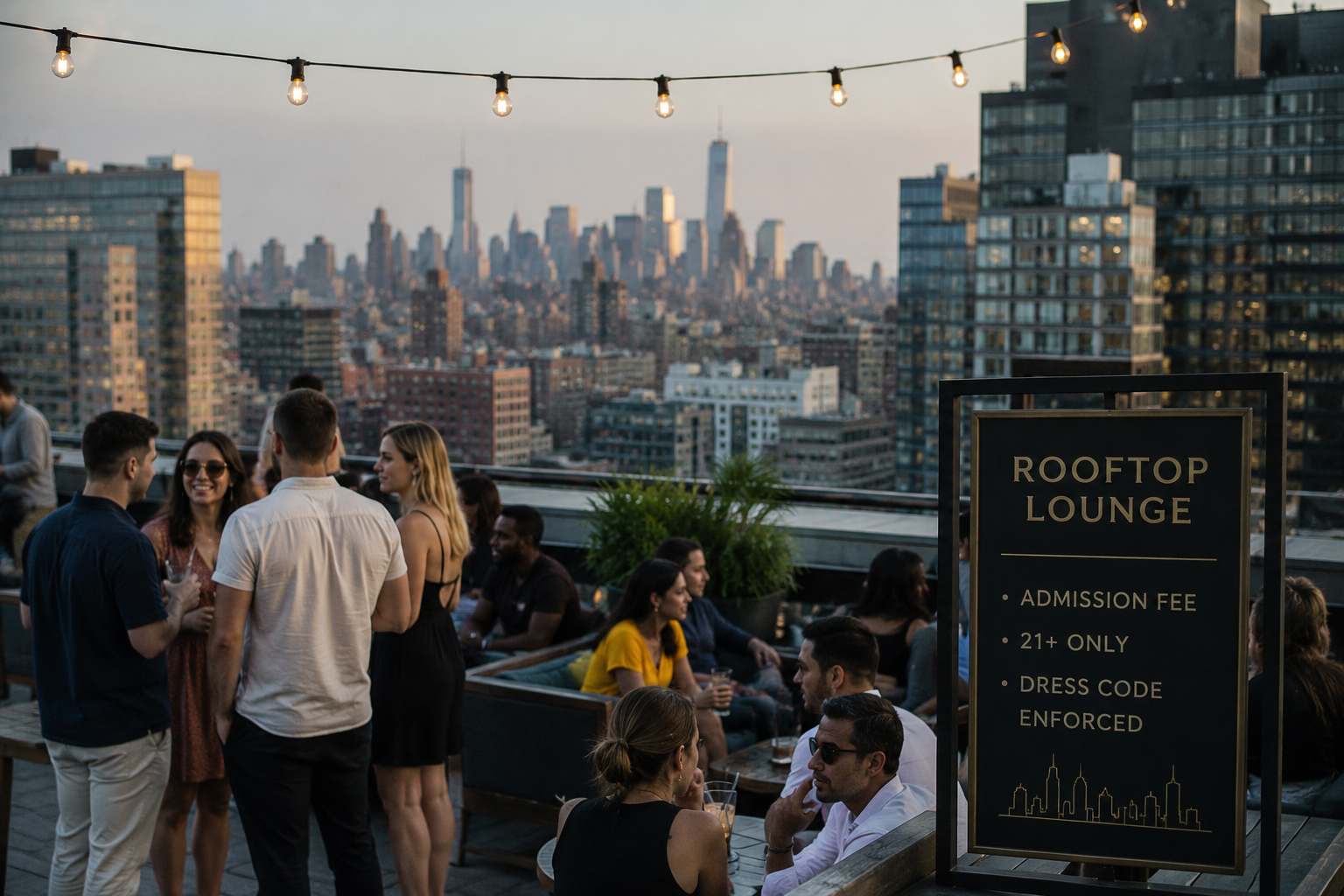
Cities are running out of space at ground level, so developers are looking up — and rooftops across urban centers are being converted into bars, lounges, and exclusive venues. Richard Florida, Megan McCoy, and Janette Sadik-Khan debate whether that transformation is revitalizing urban life or quietly privatizing the last unclaimed public space.
As urban landscapes become increasingly densified, the question arises: are rooftops — once considered a neglected afterthought — now just another commodity in the relentless march of urban development? How do these transformed rooftops align with social equity and community access?
The Current Context
Urban spaces are in flux, with housing crises intensifying and public spaces dwindling. Developers have turned their gaze upwards, transforming rooftops into bars, lounges, and exclusive spaces for profit. This shift raises critical questions about accessibility, authenticity, and the commercialization of urban life.
Perspective: Urban Economics and Capitalism
Richard Florida, an influential urban studies theorist, argues that while rooftop developments can stimulate local economies, they often cater to a privileged clientele. "Rooftops are no longer just places for quiet contemplation or community gatherings; they have become exclusive enclaves," Florida explains. "These developments can exacerbate social inequalities by attracting affluent demographics at the expense of local populations."
He argues that the commercialization of rooftops distorts their potential role as community spaces, ultimately benefiting developers over residents.
Perspective: Social Equity and Urban Access
In contrast, Megan McCoy, an urban sociologist, emphasizes the importance of social equity in this debate. She notes that while many rooftop bars and venues charge steep entrance fees, this does not inherently negate their community potential. "Rooftops can provide new platforms for cultural exchange and community engagement, but only if they are designed with inclusivity in mind," McCoy asserts.
She advocates for policies that require developers to incorporate affordable access and community benefits as part of rooftop projects, fostering spaces that reflect the diversity of urban experiences.
Perspective: Urban Design and Public Space
Janette Sadik-Khan, former Commissioner of the NYC Department of Transportation, highlights the role of urban design in ensuring that rooftop spaces serve more than merely commercial interests. "Designing rooftops as multifunctional spaces can promote sustainability and improve urban livability," she notes.
Sadik-Khan argues that rooftops offer significant potential for green spaces, community gardens, and social interaction if approached thoughtfully. "We must avoid unfettered commercialization, and instead, design these spaces to enrich the urban fabric," she says.
Editorial Synthesis
Where Experts Agree
Rooftops can have economic potential and stimulate local economies. Unique design and functionality can enhance urban livability. Social equity considerations are essential in the development of rooftop spaces.
Where Experts Disagree
The extent to which rooftops serve as communal spaces versus exclusive venues is debated. Experts differ on how best to incorporate affordable access and community engagement, and on the role of regulation in mitigating the adverse effects of commercialization.
Why This Matters
Without thoughtful intervention, these spaces risk perpetuating social divisions as the urban elite claim ownership over what was once a potential community resource. However, inclusive frameworks could allow these developments to create a diverse range of experiences.
The real challenge lies in navigating the thin line between revitalization and commercialization. As cities continue to grow both upward and inward, stakeholders must prioritize accessibility and inclusivity — ensuring that all residents, regardless of socioeconomic standing, can partake in the evolving urban tapestry. Whether rooftops foster genuine community spirit or simply become exclusive hideaways will ultimately depend on the choices made by developers, city planners, and civic leaders.
The Double-Edged Sword of Rooftop Development
The transformation of rooftops into commercial spaces epitomizes the complexity of urban development in a city grappling with inequality and accessibility. While these venues can generate economic stimulus and elevate urban aesthetics, they risk perpetuating social divisions by catering predominantly to affluent individuals. As cities continue to evolve, stakeholders must prioritize initiatives that ensure rooftops serve as inclusive community spaces rather than exclusive retreats. This could involve scaling entrance fees, promoting local artists, and incorporating public events that invite diverse participation. Ultimately, rooftops should reflect the richness of urban life, harnessing their potential to foster community rather than fragment it. The challenge lies in striking a balance where economic viability meets social responsibility, ensuring that our city's rooftops remain open to all, celebrating the diversity that defines our communities.

Richard Florida
Urban Studies Theorist
"Florida argues that the commercialization of rooftops can bring necessary economic revitalization and a vibrant social scene to urban areas, making cities more attractive and accessible."
𝕏 Richard Florida in Richard Florida
Megan McCoy
Urban Sociologist
"McCoy emphasizes that the commercialization of rooftops perpetuates social exclusivity, limiting access for marginalized communities and reducing the authentic character of urban spaces."
in Megan McCoyJanette Sadik-Khan
Former Commissioner, NYC Department of Transportation
"Sadik-Khan believes that while rooftop development can enhance urban environments, it must be managed thoughtfully to ensure that it remains equitable and inclusive for all city residents."
𝕏 Janette Sadik-Khan in Janette Sadik-KhanHow Does This Hit You?


No comments yet. Be the first to weigh in.