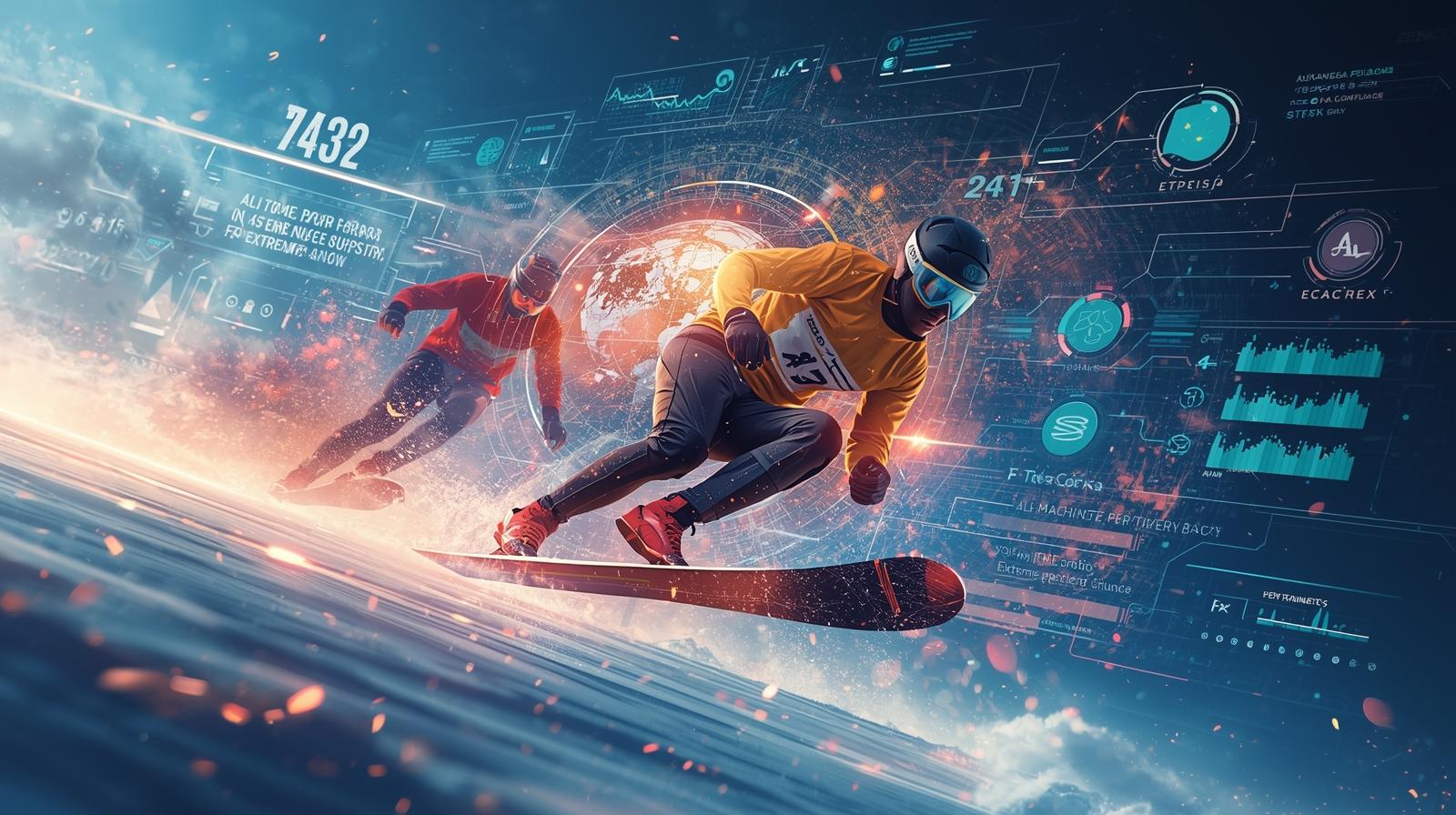
AI Trainers for Extreme Sports: How Machine Learning Is Transforming Peak Performance In the adrenaline-fueled world of extreme sports, every millisec...
In the adrenaline-fueled world of extreme sports, every millisecond counts, every move can be the difference between a gold medal and a crash landing, and athletes are constantly seeking an edge. Enter Artificial Intelligence (AI) and machine learning—a game-changing force revolutionizing how extreme sports enthusiasts train, compete, and elevate their skills. From skateboarding to snowboarding and base jumping to surf riding, AI trainers are setting a new standard for peak performance. Let's explore how this technology is reshaping the landscape of extreme sports.
The Rise of AI in Extreme Sports Training
As technology evolves, so do the methods through which athletes train. Traditional training regimes often relied heavily on intuitive coaching advice and standardized drills. However, machine learning algorithms have now stepped in with the capability to analyze vast amounts of performance data, creating tailored training programs optimized for individual needs.
Personalized Performance Metrics
One of the standout features of AI trainers is their ability to provide personalized performance metrics. These platforms gather extensive data on an athlete's movements, techniques, and even physiological responses during training sessions. For example, AI software can analyze a skateboarder’s balance shift during a trick and offer insights on how to refine their stance for better stability and impact absorption.
Using wearable technology such as smartwatches and motion sensors, athletes can track fundamental metrics like heart rate, speed, acceleration, and even body angles in real time. This rich, nuanced data collection enables machine learning algorithms to make predictions about performance outcomes based on past behaviors and conditions. Athletes can thus train smarter rather than just harder.
Enhanced Technique Analysis
Another powerful facet of AI is its capacity for enhanced technique analysis. In extreme sports, technique is everything—one incorrect move can lead to a fall or serious injury. AI trainers can be programmed to recognize patterns and identify subtle inefficiencies in an athlete’s technique. By utilizing computer vision technology, Advanced AI can dissect videos of athlete performances frame by frame.
Imagine a snowboarder working on their jumps: an AI system can analyze the angling of their body, their board’s trajectory, and the timing of their movements. Based on these observations, the system can provide targeted adjustments and drills that focus on the athlete’s weak points. For urban athletes who thrive on innovation, this level of personalized attention can be an extraordinary competitive advantage.
Transforming Competitive Edge with AI
The competitive edge in extreme sports often hinges on the ability to fine-tune skills and adapt strategies; AI is stepping up to the job in impressive ways.
Real-Time Decision Making
In fast-paced sports like rock climbing or parkour, split-second decisions can lead to victory or defeat. AI trainers can equip athletes with real-time insights during their runs, effectively acting as virtual coaches in the heat of competition. With the integration of augmented reality (AR), information can be projected directly in an athlete's field of vision, highlighting optimal paths, hazard alerts, or even suggesting specific tricks to maximize performance.
This instant feedback allows athletes to refine their in-the-moment decision-making abilities significantly. By reviewing data from their previous runs, AI can help athletes anticipate challenges and adapt at a moment's notice.
Injury Prevention and Recovery
In extreme sports, injuries are a common adversary. Whether it’s a base jumper taking on risky heights or a BMX rider hitting daring stunts, the physical strain placed on the body can lead to serious injuries. AI can help mitigate these risks through predictive analytics that assess the likelihood of injury based on training intensity, biomechanics, and fatigue levels.
By analyzing historical data, machine learning algorithms can identify patterns relating to previous injuries—helping athletes understand their personal limits and better prepare for high-intensity sessions. In many cases, AI forecasts injuries before they happen, allowing athletes to take preventive measures or tailor recovery strategies.
Moreover, AI can recommend customized recovery protocols by analyzing recovery metrics like muscle soreness and fatigue levels. As a result, athletes can enjoy a scientific approach to recovery, ensuring they are at peak performance when it matters most.
Embracing the Future of Extreme Sports
As we look to the future, it’s clear that AI trainers are not just a passing trend; they are transforming the very fabric of extreme sports training and performance. By integrating machine learning into their routines, athletes are re-imagining the boundaries of human capability.
Community and Learning
For the urban lifestyle and extreme sports enthusiasts, the rise of AI also fosters greater community engagement and skill-sharing. The data gathered isn’t just beneficial for individual athletes – it also has the potential to influence larger groups, as trends emerge from aggregated data sets. Communities can develop shared insights about optimal techniques, training regimes, and safety protocols tailored specifically to their unique environments and conditions.
Additionally, these technologies can pave the way for the next generation of athletes. By providing accessible training tools, even those without professional coaching can benefit from cutting-edge techniques and data-driven training protocols. The extreme sports world is increasingly democratizing performance-enhancing technology—making it accessible to any daredevil willing to embrace the future.
Conclusion
AI trainers are redefining the extreme sports landscape, offering athletes personalized metrics, enhanced technique analysis, real-time decision-making tools, and injury prevention insights. As technology continues to advance, it promises to unlock new dimensions of performance in urban culture, extreme adventures, and the gaming scene.
For practitioners of extreme sports, integrating AI trainers into their training regimes could be the defining factor in pushing limits and achieving unprecedented feats. With a blend of innovation, excitement, and a dash of futuristic flair, AI’s role in extreme sports is just beginning—a thrilling ride ahead for all urban athletes ready to conquer the peaks of performance.
How Does This Hit You?



ygylyehkdnlqvlgnkisyfmrxelizwe