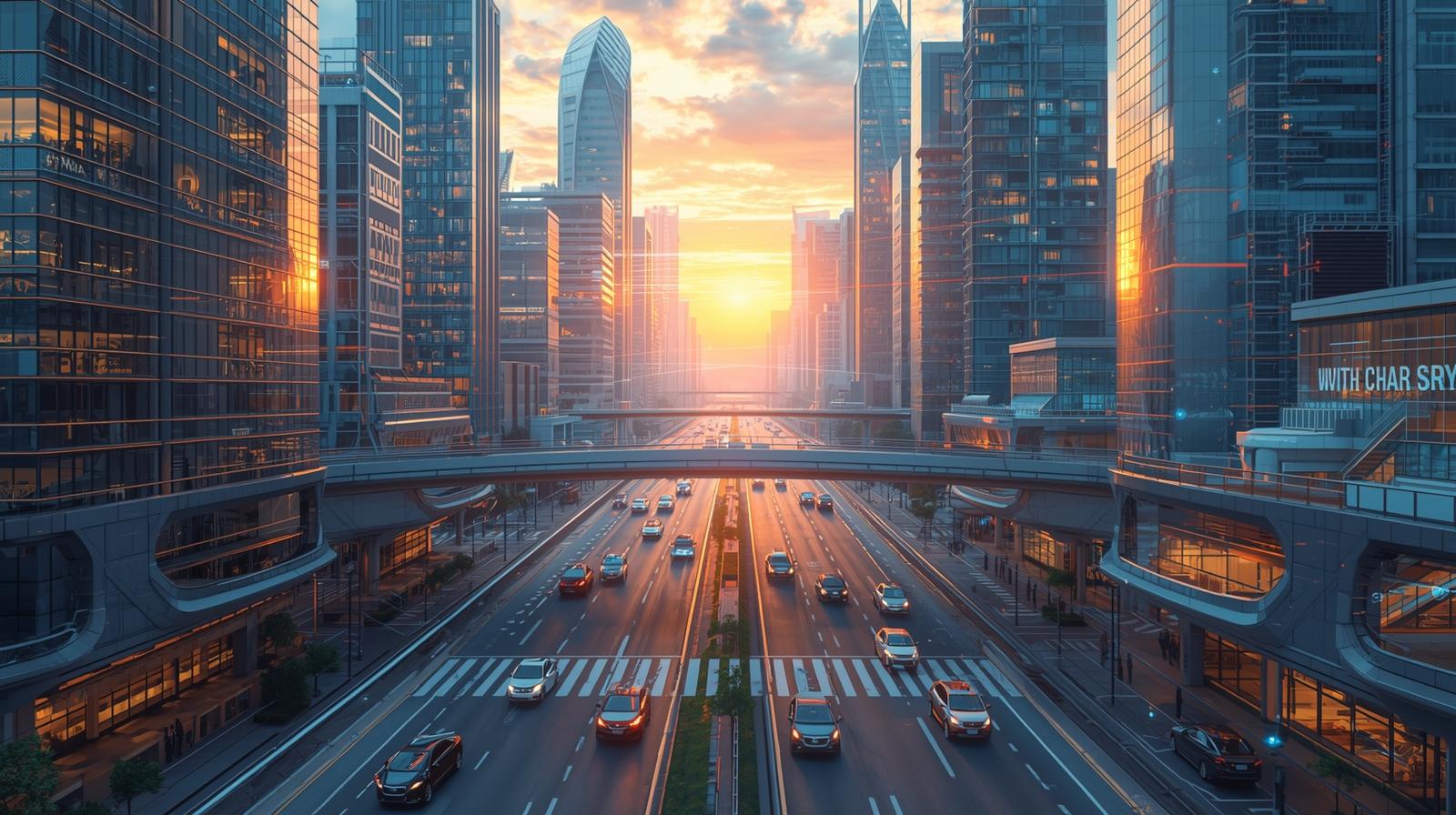
Artificial Intelligence and the Cities of Tomorrow
As we stand on the brink of an unprecedented technological era, it's thrilling to explore how artificial intelligence (AI) is transforming urban landscapes. From smart transportation systems to eco-friendly energy solutions, AI is set to redefine urban life in ways we never thought possible. In this blog post, we will delve into how AI is influencing the cities of tomorrow, focusing on the seamless blending of urban lifestyle with elements of extreme sports, gaming, retro culture, and futuristic visions.
The Role of AI in Smart Urban Planning
In the age of rapid urbanization, planners are facing unprecedented challenges in accommodating growing populations, minimizing congestion, and enhancing sustainability. Artificial Intelligence is stepping in as a game-changer, offering innovative solutions to these modern dilemmas.
1. Data-Driven Decisions for Urban Growth
AI algorithms can process vast amounts of data from various sources, including social media, traffic patterns, and environmental sensors. This data enables city planners to identify trends and predict what the urban environment will look like in the coming decades. For example, machine learning models can forecast growing areas of high population density or the demand for specific services like parks or sports facilities, enabling planners to make informed decisions.
Imagine a city where real-time data informs urban design. AI systems can analyze how residents traverse through neighborhoods, pinpointing hotspots for cafés, venues for extreme sports, or even retro culture kiosks selling vintage items. This data-driven approach allows for more dynamic and interactive cities tailored to the preferences and lifestyles of their inhabitants.
2. Enhancing Urban Mobility
One of the most exciting applications of AI in urban environments is in transportation. Smart, interconnected systems can monitor traffic flow, optimize public transport routes, and even allow vehicles to communicate with each other to reduce accidents and congestion.
For instance, picture a bustling metropolitan area where AI-driven autonomous vehicles share the road with human-driven cars. These vehicles communicate seamlessly, adjusting their speeds and routes in real-time based on traffic conditions. Meanwhile, public transportation systems use predictive analytics to inform riders of exactly when their bus or train will arrive, minimizing wait times and improving overall efficiency.
In cities designed with extreme sports enthusiasts in mind, AI could also facilitate the optimization of transportation options to popular skateparks or climbing centers, ensuring swift and safe access to these adrenaline-pumping venues. Gamified public transit apps could inspire residents to adopt eco-friendly travel methods, combining retro gaming aesthetics with contemporary urban mobility solutions.
AI and the Sustainability of Urban Life
As cities grapple with climate challenges and sustainability issues, AI offers innovative solutions to create greener urban environments.
1. Energy Efficiency through Smart Grids
Smart grids, powered by AI, revolutionize energy distribution and consumption. By leveraging real-time data, AI systems can optimize energy use across the city, enabling efficient allocation based on demand. For instance, during peak hours, AI can control power flows, reducing waste and preventing overload.
This integration of tech and sustainability resonates well with the urban lifestyle, particularly for those passionate about retro culture and its emphasis on conservation and community. Imagine a neighborhood where every household utilizes smart home technologies that learn from user habits, producing insights that encourage energy-saving behaviors. This not only supports an eco-friendly lifestyle but could also lead to shared energy resources—like solar panels—that embody the spirit of community.
2. Green Spaces and Urban Biodiversity
While AI enhances the efficiency of services, it can also promote urban biodiversity. AI-powered monitoring systems can collect data about local wildlife, plant life, and even air quality. This information enables city planners to establish parks, green corridors, and urban farms that foster biodiversity and sustainability.
For urban dwellers passionate about extreme sports, the integration of green spaces can facilitate adventure sports opportunities in natural settings. Imagine launching your drone or mountain bike in an urban park designed using AI insights for optimal space utilization. These parks would encourage an active lifestyle while maintaining ecological balance.
Conclusion: A Look at the Future
The future of cities is bright, thanks to the transformative power of artificial intelligence. By merging data-driven urban planning with an emphasis on sustainability, AI is paving the way for environments that reflect the lifestyle aspirations of contemporary inhabitants.
As we move forward, it’s crucial that we embrace these technologies while fostering a love for community and culture. The inclusive urban spaces built on AI principles can serve as hubs for extreme sports enthusiasts, gamers, and retro culture aficionados alike. We are on the threshold of creating environments where innovation meets tradition, adventure meets lifestyle, and technology harmonizes with nature.
In conclusion, Artifical Intelligence is not just shaping our cities; it is reimagining them. Whether you are an adrenaline junkie seeking the thrill of extreme sports, a gamer looking for urban experiences reminiscent of retro aesthetics, or someone invested in a sustainable future, the cities of tomorrow promise to blend all these passions into one enriching urban environment. Embracing the change can help create not only smarter cities but also community-centric spaces where people can thrive together.
How Does This Hit You?


No comments yet. Be the first to weigh in.