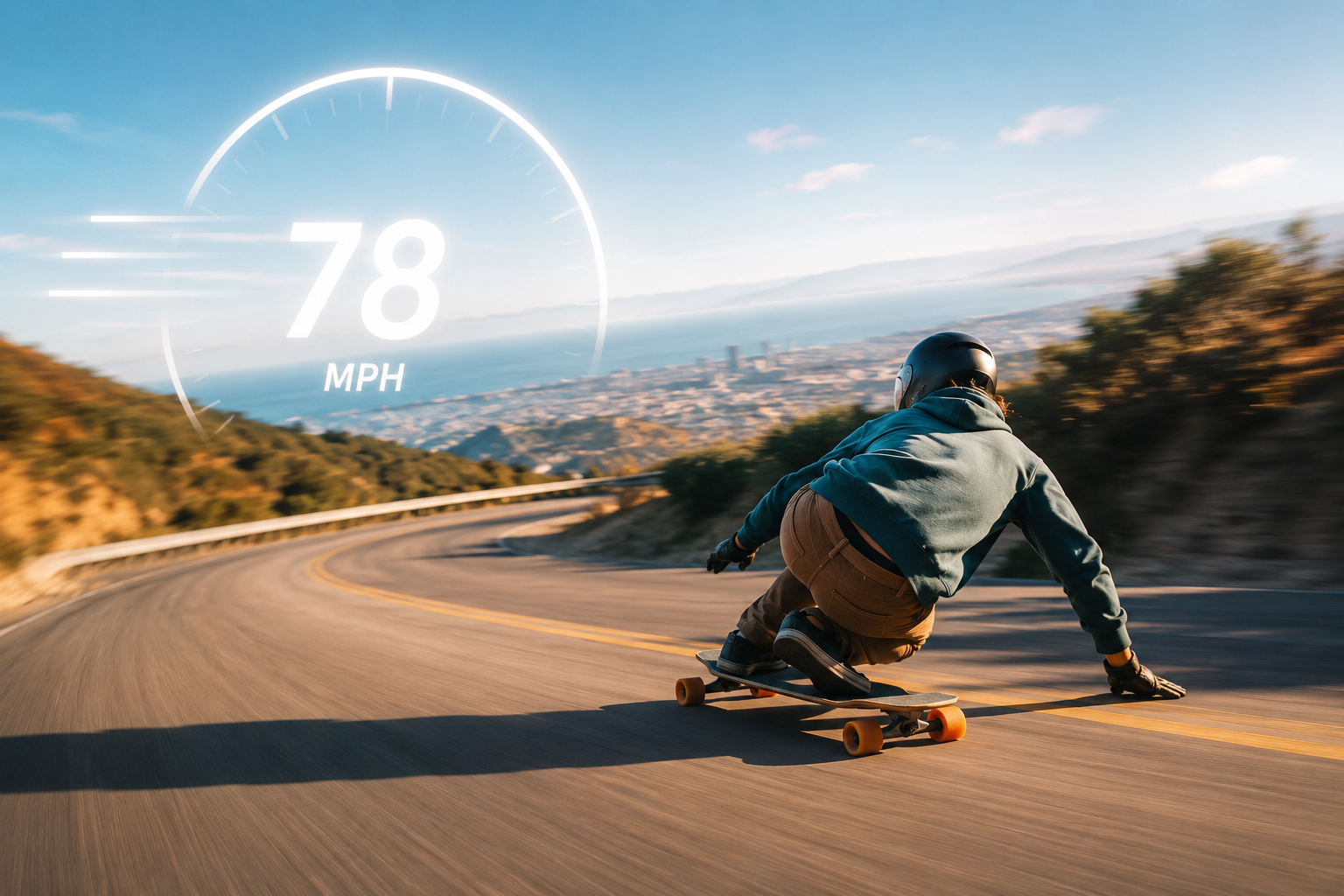
Riders are hitting speeds over 60 mph on a board with no brakes — and 73% report at least one injury. Patrick Switzer, John Williams, and Dr. Lisa Thompson debate whether downhill longboarding needs mandatory safety regulations, or whether the freedom that defines the sport is worth the risk.
As downhill longboarding gains popularity, riders are hurtling down hills at speeds that can exceed 60 miles per hour. With no real governing body, the question arises: is this exhilarating freedom or an accident waiting to happen?
Context: The Current Landscape of Downhill Longboarding
In recent years, downhill longboarding has exploded in popularity. Riders cherish the blend of adrenaline and aesthetics, showcasing immense skill in navigating steep declines. However, this surge comes at a cost. Reports of severe injuries and fatalities are increasing, raising concerns about safety regulations in a sport that, for many, operates in a legal and organizational gray area.
Perspective: Patrick Switzer (Professional Downhill Skater)
Patrick Switzer describes downhill longboarding as more than a sport; it is a lifestyle defined by the thrill of mastering speed. He emphasizes the accountability of riders: "When you ride downhill, you have to understand the risks. Speed is intoxicating, but with that comes the responsibility of knowing how to fall, how to gear up properly, and how to choose safe environments."
Switzer argues that helmets should not be seen merely as suggestions, advocating for better gear standards to enhance safety without compromising the spirit of the sport. "Mandatory helmets could save lives. But it's essential that skaters learn how to ride safely and not just rely on equipment to protect them."
Perspective: John Williams (Founder, Longboard Magazine)
John Williams offers a different viewpoint, recognizing the risks but emphasizing the importance of personal freedom in the sport. "Longboarding is about self-expression. Riders often feel a sense of community when they push their limits. While I encourage protective gear, mandating it could make the sport less accessible and enjoyable."
Williams points to the absence of a governing body as a double-edged sword: it allows for a vibrant culture but can result in deadly consequences without proper guidance.
Perspective: Dr. Lisa Thompson (Sports Safety Researcher)
Dr. Lisa Thompson takes a more cautionary stance, focusing on the empirical data surrounding downhill longboarding injuries. "The lack of regulatory oversight in this sport is alarming. Injuries are rampant, and many could be prevented with mandatory helmet use and other protective gear. In extreme sports like this, we have to ask if freedom is worth potential fatalities."
Dr. Thompson advocates for more comprehensive research into the safety behaviors of downhill skaters and the establishment of guidelines that could save lives.
Editorial Synthesis
Where Experts Agree
The current injury rates in downhill longboarding are concerning and warrant attention. Education on safe riding practices is crucial for risk reduction. A degree of protective measures, like helmets, is advocated by all experts, albeit viewed with different levels of urgency.
Where Experts Disagree
Opinions diverge on whether mandatory helmet laws would deter participation or enhance safety. Switzer sees enforced helmet usage as essential, while Williams fears it could compromise the sport's essence. Dr. Thompson calls for regulation, while Williams emphasizes personal freedom and expression.
Why This Matters
The debate surrounding downhill longboarding underscores a broader question often tackled in extreme sports: how to balance the thrill of self-expression against the imperative of safety? As participation grows and speeds increase, the narrative must evolve.
Riders like Switzer demonstrate that with the right mindset and training, significant risks can be mitigated; however, without a structured approach to safety, more tragedies seem inevitable. The challenge lies in adhering to the core tenets of freedom while responsibly fostering an environment that prioritizes rider safety.
Key Statistics
73% of downhill longboarders report at least one injury. 60 mph is the reported top speed reached by some riders. And 40% of injuries could have been prevented with proper gear.
Navigating the Fine Line Between Freedom and Safety in Downhill Longboarding
As downhill longboarding continues to gain traction among thrill-seekers, the sport's allure is undeniable. However, with soaring speeds and a lack of regulatory oversight, the risks are escalating. While Patrick Switzer emphasizes the need for riders to take personal responsibility and invest in proper safety gear, John Williams highlights the importance of individual freedom to pursue the sport as they see fit. The crux of the debate lies in finding a balance: fostering a culture of safety without stifling the exhilarating essence of longboarding. Implementing clear safety standards—such as mandatory helmet use—could substantially reduce injuries while keeping the spirit of the sport alive. Riders must acknowledge the inherent risks of downhill longboarding and advocate for practices that prioritize their safety. As we embrace this extreme sport, it’s crucial for the community to unite in ensuring that passion does not come at the cost of life and limb.

Patrick Switzer
Professional Downhill Skater
"While I appreciate the freedom that comes with downhill longboarding, the alarming speeds we reach necessitate increased safety measures. Helmets should not just be a suggestion; stricter guidelines can help prevent fatal accidents."
in Patrick Switzer
Dr. Lisa Thompson
Sports Safety Researcher
"The debate on safety in extreme sports, including downhill longboarding, reveals valid points on both sides. While freedom is crucial, we cannot ignore the increasing risks, necessitating a dialogue that finds a balance between personal responsibility and community safety."
in Dr. Lisa ThompsonHow Does This Hit You?


No comments yet. Be the first to weigh in.