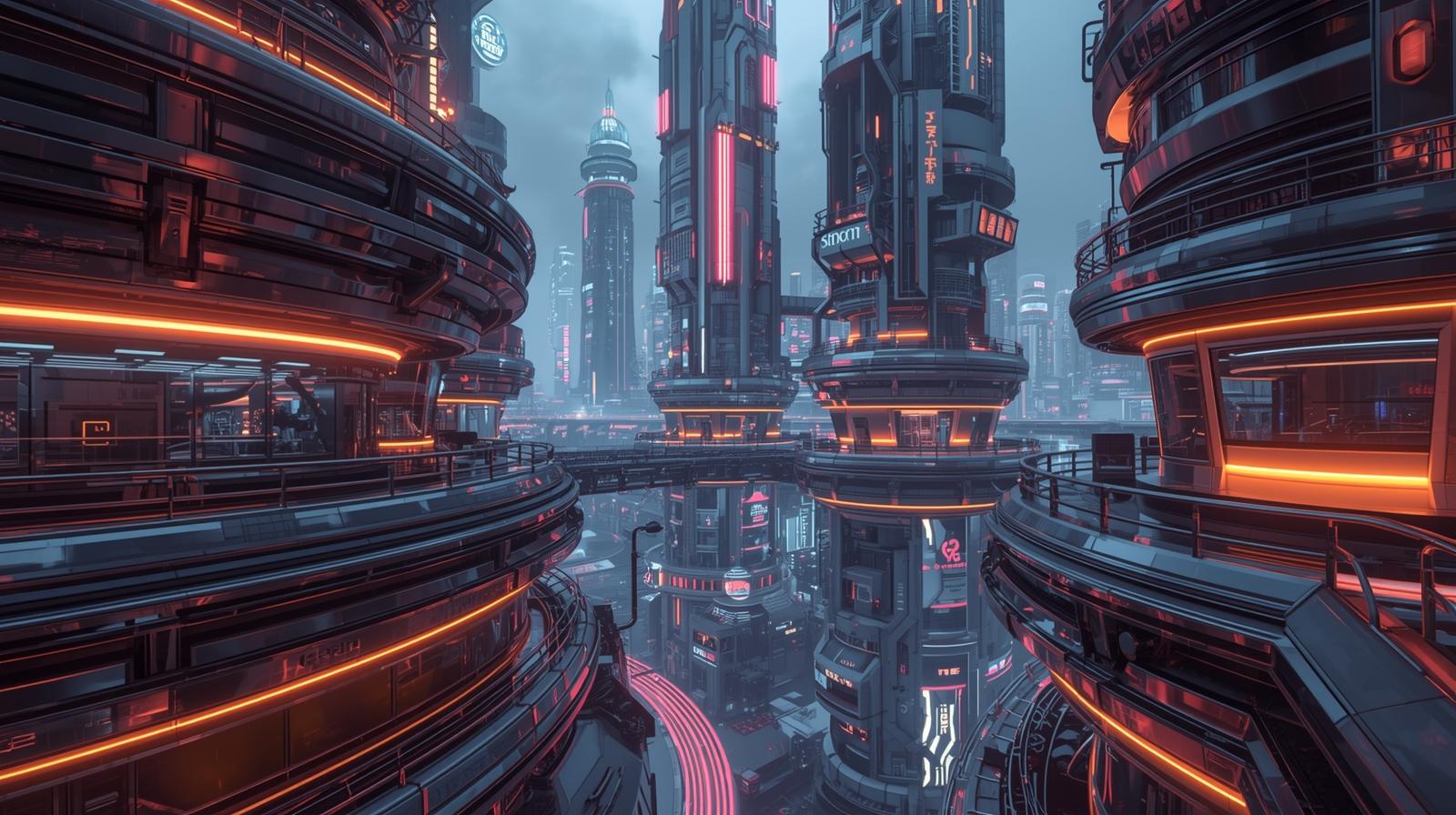
Future Societies: Designing Smart Districts That Blend Retro Vibes with Next-Gen Infrastructure As we stand on the brink of an era defined by rapid te...
As we stand on the brink of an era defined by rapid technological advancement, our urban landscapes are evolving in ways that challenge our perceptions of living, working, and engaging with our environment. Enter the concept of smart districts—urban zones where cutting-edge infrastructure meets the whimsical charm of retro aesthetics. These districts promise to enhance urban living while resonating deeply with the rich tapestry of our cultural heritage. This amalgamation presents an opportunity to create vibrant spaces for those passionate about urban lifestyle, extreme sports, gaming, and the nostalgia of retro culture.
The Smart District Revolution
A New Wave in Urban Design
Smart districts are more than just places; they are ecosystems designed with the future in mind. They utilize real-time data to optimize services, improve mobility, and reduce environmental impact. Imagine streets equipped with AI-driven sensors that monitor traffic patterns, adjust public transportation schedules dynamically, and manage waste disposal efficiently. This is the essence of smart urban living.
But it's not just about advanced technology; it’s about weaving in the familiar threads of our past. Retro architecture—think neon lights, vintage signage, and classic storefronts—can coexist with solar panels and smart street lighting. This synergy creates an environment where tech enthusiasts and nostalgia seekers converge.
Integrating Retro Elements into Smart Districts
When designing these future societies, integrating retro elements serves a dual purpose: preserving cultural identity and enhancing the aesthetic appeal of urban spaces. Gamers and extreme sports aficionados, for example, often connect profoundly with their surroundings. By incorporating vintage-inspired designs alongside next-gen infrastructures, cities can evoke nostalgia while catering to modern sensibilities.
Retro Architectural Styles
From art deco to mid-century modern, retro architectural styles can be tastefully integrated into smart districts. Think about a community hub styled like a bustling 1950s diner, where digital menus display not just food options but local events and hyperlocal information. The exterior can feature neon lights and chrome accents, while the interior is equipped with modern seating and interactive gaming stations. Such combinations create an inviting atmosphere that encourages social interaction and community building.
Green Spaces with a Nostalgic Twist
Imagine an urban park where retro games like bocce ball and shuffleboard are juxtaposed with virtual reality spaces for gaming enthusiasts. Smart sensors can be used to maintain these green spaces, allowing for data-driven landscaping choices—drought-resistant plants and recreational facilities powered by renewable energy sources. This not only preserves the aesthetic charm of the park but also offers sustainable options for urban dwellers.
Smart Mobility Solutions
Traditional transportation can be reinvented with smart mobility solutions. Electric trams adorned with retro logos can zip through neighborhoods, giving a nod to the past while encouraging environmentally friendly travel. Bike-sharing programs can feature vintage-looking bicycles equipped with smart technology, allowing users to track their rides and share within the community.
The Role of Technology in Enhancing Urban Living
The Significance of Data in Urban Planning
At the heart of smart districts lies the power of data. Understanding resident needs through analytics can lead to customized urban designs. Artificial Intelligence (AI) and Internet of Things (IoT) technologies play critical roles in collecting and interpreting data that shapes every aspect of urban life—from optimizing energy usage to tailoring public services.
Imagine wearing smart glasses that provide augmented reality overlays on your surroundings. You could see a vibrant calendar of community events in a historical district, navigate a new biking path, or even engage in a multiplayer gaming experience in an urban playground. The possibilities are limitless when technology is seamlessly integrated into daily life.
Sustainability Through Technology
Today's urban challenges, such as climate change and population density, necessitate sustainable solutions. Smart districts can employ advanced technologies like energy-efficient systems, water recycling, and waste reduction methods, all while paying homage to retro designs that remind us of simpler times. For instance, solar panels can neatly complement the vintage rooftops of restored buildings, symbolizing a harmonized coexistence of history and innovation.
Community Engagement Platforms
Online platforms that promote community engagement can further enhance life in smart districts. Imagine a social-driven app that showcases events, sporting competitions, and community initiatives. Gamers and urban adventurers can collaborate on projects that merge skills, from organizing extreme sports events to restoring retro district landmarks. Such platforms foster a sense of belonging and community spirit, making urban living not just about convenience but about connection.
Conclusion
Designing smart districts that blend retro vibes with next-gen infrastructure presents an exciting opportunity to redefine urban living. By effectively marrying technology with the nostalgia of earlier eras, these districts can serve as vibrant hubs for diverse communities, offering everyone—from urban explorers to retro enthusiasts—a place to thrive.
As the future unfolds, embracing this hybridized approach can lead to cities that are not only functional but also culturally rich, engaging, and sustainable. It's a call to action for urban planners, architects, and community members alike to collaborate, innovate, and dream up societies where the future intertwines effortlessly with our cherished past. The smart district revolution is here, and it beckons us to step into a daring and delightful tomorrow.
How Does This Hit You?


No comments yet. Be the first to weigh in.