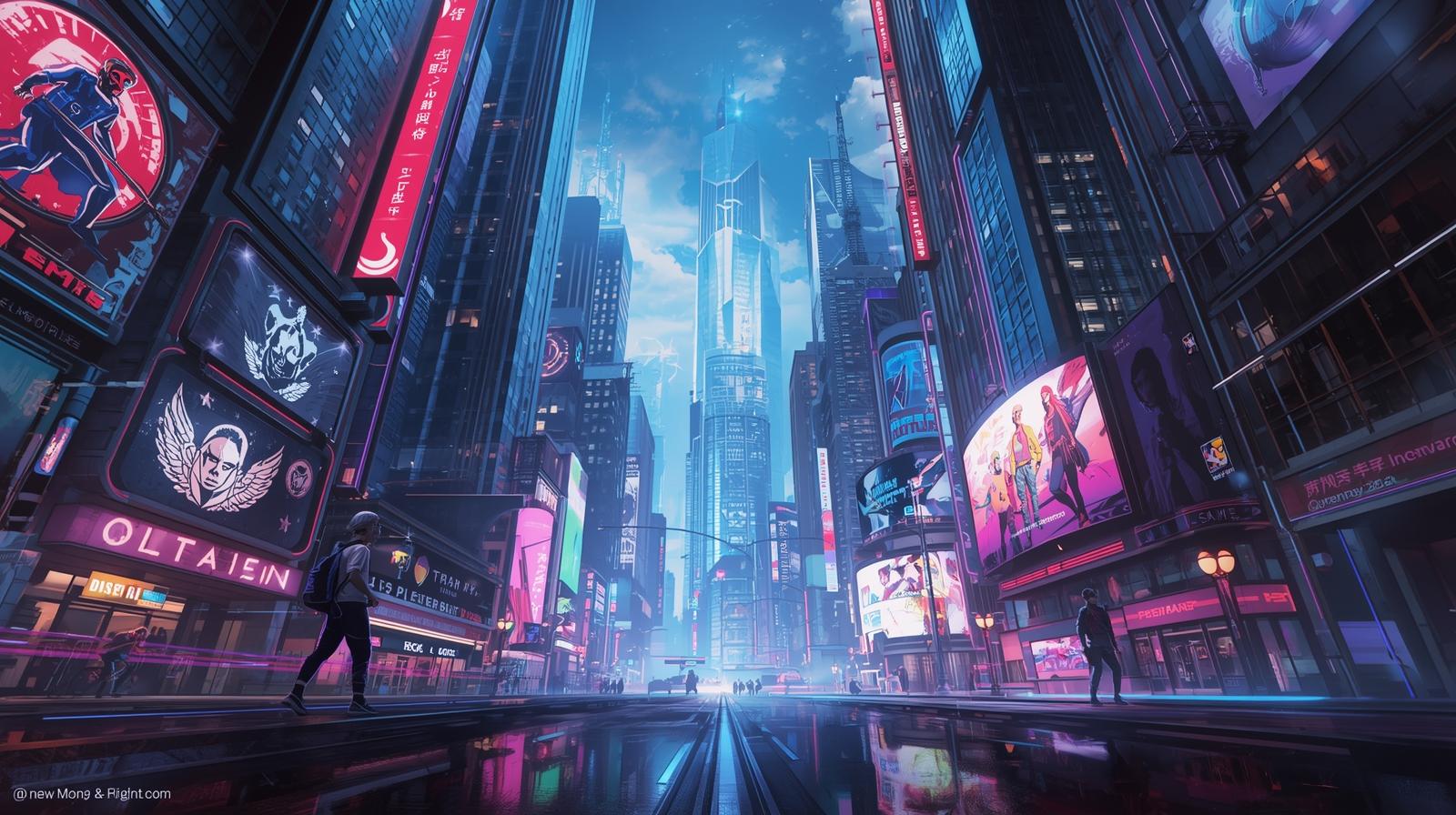
As the pulse of urban life accelerates, powered by technology and redefining societal structures, the visions for our future societies oscillate between the enticing prospect of a utopia and the haunting specter of a digital dystopia. With the blend of extreme sports, gaming, retro culture, and futuristic innovations shaping our urban landscapes, the question arises: will we cultivate communities that thrive on creativity, collaboration, and freedom, or will we tumble into a realm dominated by surveillance, inequality, and isolation? In this blog post, we will explore the dual paths of future societies, examining the potential for a utopia alongside the unsettling realities that threaten to shape our collective fate.
The Allure of a Utopian Future
Technological Advancements and Urban Living
Imagine a society where smart technology seamlessly integrates with every aspect of daily life, enhancing not just convenience but also community welfare. Urban areas could transform into eco-friendly havens, characterized by vertical gardens, autonomous public transport, and smart energy-efficient buildings. Futuristic cities could host flexible living spaces, rich with communal areas designed for extreme sports enthusiasts, gaming hubs, and creative workshops that celebrate retro culture.
In such an environment, augmented reality (AR) could immerse residents in dynamic experiences that combine physical and digital realms. Picture an urban skatepark where the terrain morphs based on user interaction, or a neighborhood renaissance festival that throws nostalgic nods to the past while being anchored in the metaverse. Technology could bridge generational gaps, unite diverse cultures, and create a vibrant tapestry of urban life.
Furthermore, witness the rise of decentralized autonomous organizations (DAOs) that empower citizens to engage in decision-making processes. With blockchain technology ensuring transparency and fairness, communities could make collective choices about resources, urban planning, and recreational opportunities. This democratic structure encourages grassroots involvement and could pave the way for a robust interconnected society.
Culture and Community
In a utopian vision of future societies, culture thrives, fueled by participation and creativity. Picture vibrant street festivals showcasing extreme sports, where skateboarders and parkour athletes exhibit their skills as families and friends gather to cheer them on. Esports tournaments could transform into local block parties, drawing in spectators from all walks of life, turning competition into a celebration that fosters unity.
The blending of retro culture with cutting-edge technology allows society to honor its past while building a future. Imagine a digital archive of vintage video games, where enthusiasts gather to reminisce and share experiences. Libraries might host virtual reality rooms where participants can play iconic games and relive adventures, blurring the lines between reality and nostalgia.
Moreover, while urban centers experience transformation, smaller communities may flourish as well. The maker movement spurred by innovative co-op workshops allows individuals to come together and share their skills. These grassroots initiatives could cultivate tight-knit communities, fostering creativity, resilience, and, importantly, inclusivity.
The Threat of a Digital Dystopia
Surveillance and Control
However, the road to a utopian future isn’t without obstacles; the specter of a digital dystopia looms large. As we weave technology into the fabric of our lives, the risk of a society under constant surveillance becomes a chilling possibility. With every click and every movement tracked and analyzed by unchecked algorithms, personal privacy could evaporate, leading to a culture of fear and conformity.
Imagine navigating city streets lined with cameras, drones circling overhead, monitoring your every action. In a quest for security, governments or corporations could impose authoritarian measures, dictating not just behavior but also the type of experiences we engage in. Surveillance capitalism might exploit personal data, transforming individuals into mere products, leading to a landscape where human autonomy is increasingly diminished.
Economic Disparities and Isolation
Equally concerning is the potential for widening economic inequalities, where access to technology becomes a tool for exclusion rather than empowerment. While some may revel in the offerings of advanced urban hubs, others may find themselves on the periphery, marginalized by their inability to keep pace with rapidly evolving technologies. The divide between those who thrive in the digital era and those left behind could deepen societal fractures and promote a culture where envy and resentment flourish.
Moreover, while technology promises connectivity, it can also promote a sense of isolation. As individuals retreat into their digital worlds, driven by smartphones and virtual reality experiences, the fabric of real-life connections may fray. With social interactions often reduced to curated online personas, the authenticity of relationships could suffer, leading to increased mental health issues as loneliness becomes pervasive in a seemingly connected world.
Conclusion: Crafting Our Urban Future
As we stand at a crossroads, the trajectory of future societies lies in our hands. The visions of utopia and digital dystopia aren’t merely hypothetical; they reflect a struggle between human values, the embrace of technology, and the choices we collectively make. While we can dream of urban spaces filled with thrilling extreme sports, rich cultural interactions, and innovative tech facilitating community engagement, we must also remain vigilant against the possibilities of surveillance and isolation.
The key to navigating this complex landscape lies in fostering dialogue and prioritizing ethical considerations in technological advancements. By harnessing the strengths of community-driven projects, novel urban designs, and participatory governance, we can sculpt a future where urban living thrives on creativity and collaboration.
In the end, the challenge is not just to envision our future but to actively participate in shaping it—ensuring that our societies lean towards a utopia rather than a digital dystopia. By merging values from the past with the innovations of tomorrow, we can create a world that celebrates connection, fosters community, and embraces the full spectrum of what it means to be human in an increasingly digital landscape. The future is here; let’s make it a vibrant, inclusive, and inspiring one.
How Does This Hit You?

No comments yet. Be the first to weigh in.