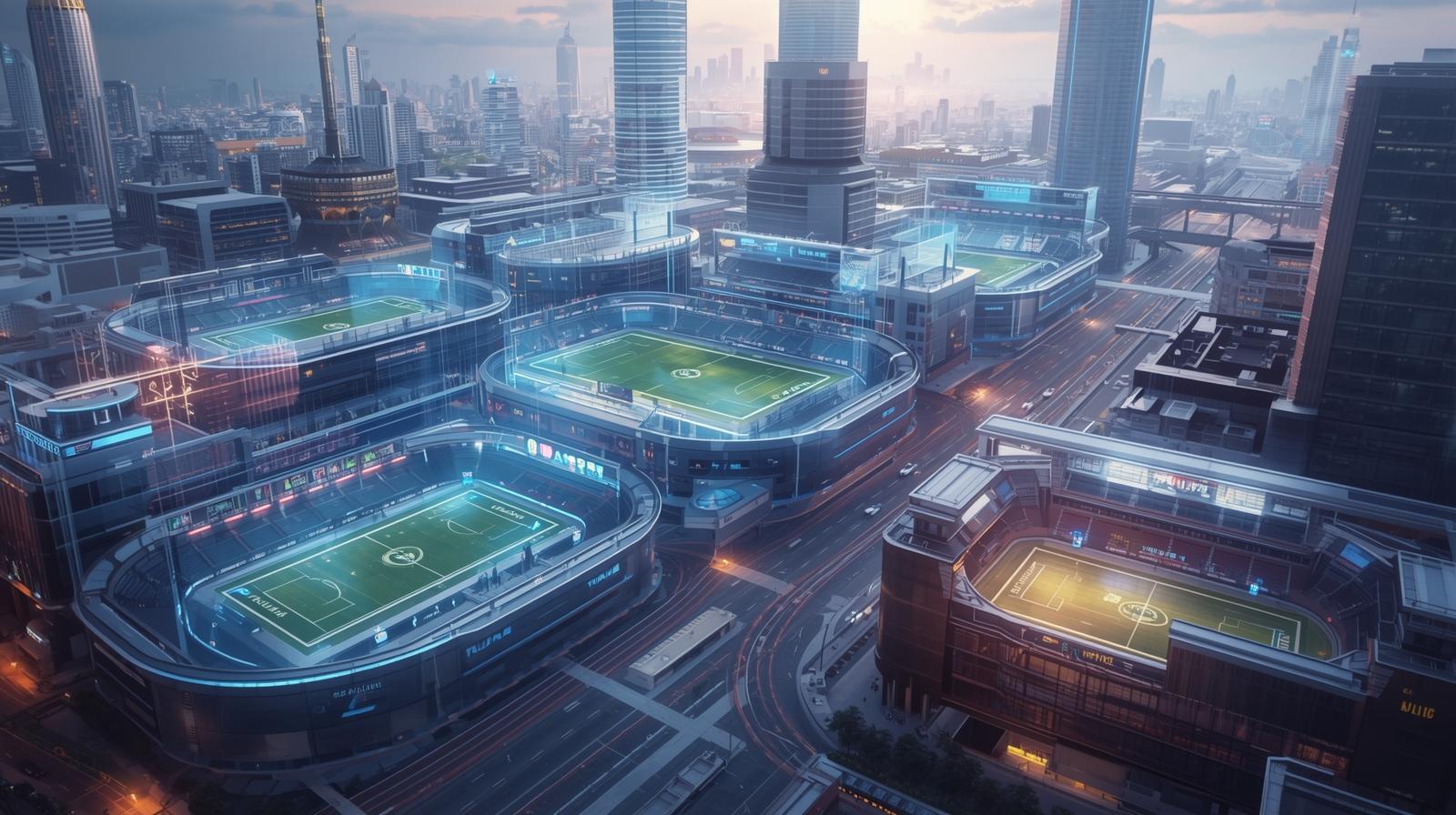
In recent years, the term "metaverse" has surged in popularity, captivating the imagination of tech enthusiasts, gamers, and sports professionals alike. Although still in its early stages, the metaverse is quickly emerging as a transformative platform that redefines how we interact with games and sports training. By seamlessly blending virtual environments with real-world experiences, the metaverse is not just a trend—it's a revolution that could shape the future of urban lifestyle, extreme sports, and gaming culture. In this blog post, we’ll explore how the metaverse is reshaping gaming and sports training, and why it's essential for enthusiasts to stay updated.
The Evolution of Gaming in the Metaverse
Gaming has always been at the forefront of technological innovation. From the nostalgic pixelated graphics of the '80s to today's hyper-realistic, immersive experiences, the journey has been nothing short of extraordinary. The metaverse serves as the next evolutionary step in this journey, offering a virtual space where players can interact, compete, and collaborate like never before.
Immersive Experiences and Play-to-Earn Models
One of the most significant features of the metaverse is its ability to create immersive experiences. Modern games are no longer confined to traditional consoles; instead, they invite players into sprawling worlds powered by blockchain technology. Gamers can engage in realistic simulations, build unique avatars, and meet friends in a communal environment that blurs the line between virtual and reality.
Moreover, the metaverse has introduced innovative play-to-earn models, allowing players to monetize their gaming experiences. By completing tasks, participating in competitions, or even offering in-game services, players can earn cryptocurrencies or NFTs (non-fungible tokens). This shift has not only revolutionized the gaming economy but has also attracted a diverse audience, blending extreme sports enthusiasts with avid gamers in a space that celebrates competition and camaraderie.
Enhanced Social Interaction
The community aspect of gaming is essential for many players, and the metaverse enhances that experience manifold. Imagine stepping into a virtual skatepark or a freestyle BMX course where you can interact with others who share your passion for extreme sports. The metaverse allows for social interactions beyond conventional voice chats; players can meet, trade tips, and even participate in virtual events or tournaments. This level of engagement can create friendships that translate to real-life experiences, fostering a sense of belonging within communities dedicated to gaming, sports, and urban culture.
Furthermore, the integration of AR (augmented reality) and VR (virtual reality) technologies enhances social experiences. Players can wear VR headsets that immerse them in realistic environments, complete with lifelike graphics and 360-degree views. Whether you're dodging obstacles in an extreme sports training session or collaborating with other gamers to solve complex in-game challenges, the metaverse turns mundane gaming into an exhilarating social affair.
Revolutionizing Sports Training through the Metaverse
The metaverse isn't just reshaping the gaming landscape; it’s also making significant contributions to sports training. With advancements in VR and AR, athletes are finding innovative ways to train, analyze performance, and improve their skills.
Virtual Skill Assessment and Feedback
In traditional training, athletes often rely on coaches to provide feedback on their performance. However, the metaverse allows for a new layer of analysis. For instance, virtual reality simulations can mimic real-life scenarios, enabling athletes to assess their skills in a low-pressure environment. Coaches can utilize advanced analytics on athletes’ movements, pinpointing areas for improvement with precise data. This detailed information helps athletes focus on specific skillsets, whether it’s perfecting a trick on a skateboard or refining tech skills in basketball.
Additionally, peer-to-peer coaching is becoming commonplace in the metaverse, allowing athletes to learn from one another in virtual spaces. This concept aligns perfectly with the essence of urban lifestyle—a melting pot of cultures and styles where experimentation is encouraged. The metaverse fosters collaboration, allowing athletes from different backgrounds to share tips, strategies, and techniques that transcend traditional coaching models.
Injury Prevention and Rehabilitation
One of the most significant advancements in sports training through the metaverse is its emphasis on injury prevention and rehabilitation. Virtual environments can be tailored to simulate various scenarios that produce potential risks, helping athletes learn how to avoid injuries in a controlled space. For example, a virtual simulation could recreate a skateboarding park, allowing athletes to practice safety measures and techniques before heading outdoors.
Moreover, athletes recovering from injuries can engage in rehabilitation programs designed within the metaverse. These programs often involve gamified elements, making the rehabilitation process engaging and less daunting. Athletes can track their progress in real time, overcoming challenges while receiving feedback that keeps them motivated.
Conclusion
The metaverse stands at the forefront of a transformation that bridges the gap between gaming and sports training, creating an ecosystem where technology, community, and innovation come together. By providing immersive experiences, enhancing social interaction, and redefining training methodologies, the metaverse is revolutionizing how we engage with gaming and sports.
For urban lifestyle enthusiasts, extreme sports lovers, and dedicated gamers, embracing the metaverse offers a glimpse into a future rich with possibilities. As we witness this evolution unfold, it’s essential for everyone involved—gamers, athletes, coaches, and fans—to explore the opportunities that the metaverse presents. By doing so, we will not only reshape our own experiences but also participate in a cultural movement that honors the spirit of competition, community, and creativity. The metaverse is not just a futuristic concept; it’s the urban playground of tomorrow.
How Does This Hit You?



No comments yet. Be the first to weigh in.