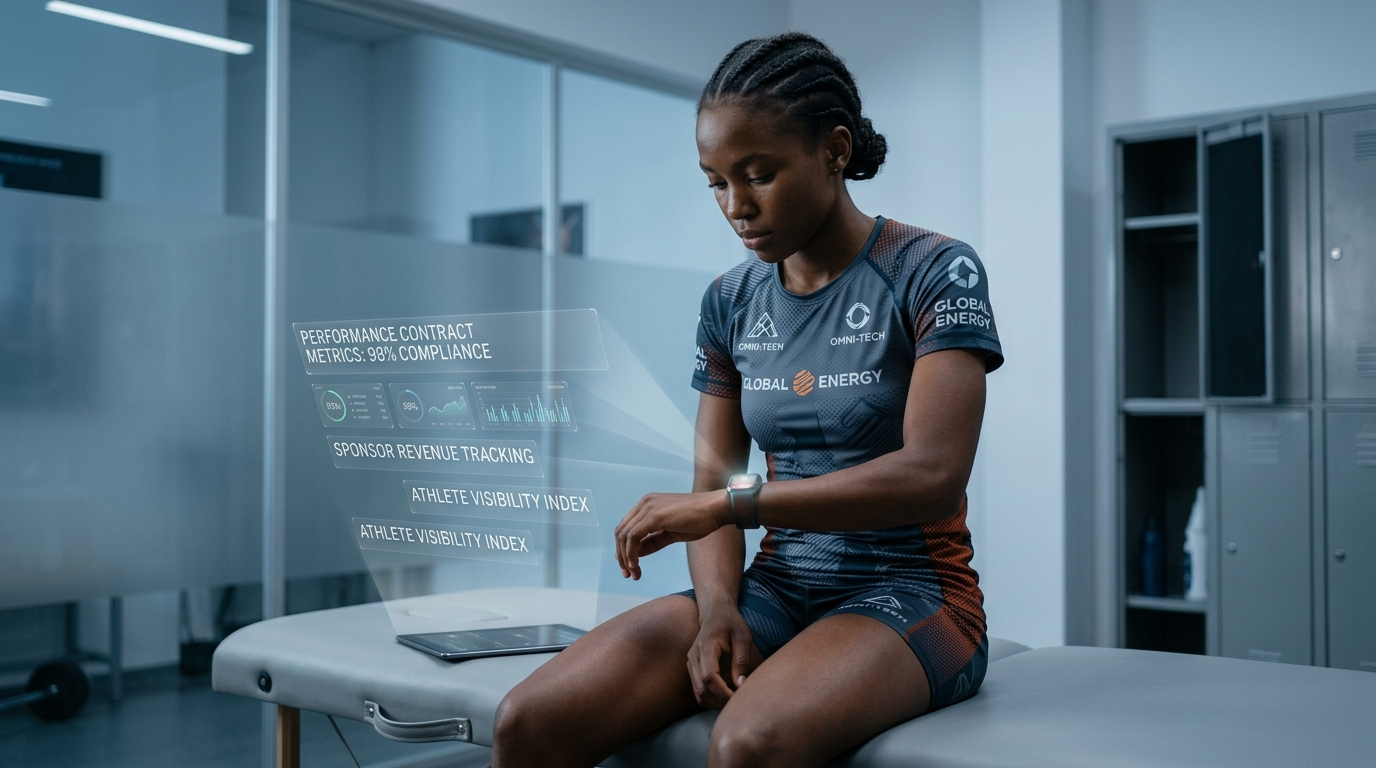
Sponsorship deals fund athletic careers — but as contracts grow larger and more restrictive, the line between partnership and control keeps moving. Mark Cuban, Kathy Cohen, and Dr. Julie Johnson debate at what point a sponsorship stops supporting an athlete and starts owning one.
In the world of professional sports, the line between athlete and brand is increasingly blurred, raising a pressing question: at what point does a sponsorship deal transition from beneficial partnership to a form of ownership over the athlete? Athletes often find themselves navigating a complicated landscape where their public image, career choices, and personal statements can be dictated by their sponsors.
Context
This discussion is particularly timely as the influence of social media and digital marketing has grown exponentially. Athletes are not only competitors on the field but also brand ambassadors, often tasked to promote products and values that may not align with their own. With sponsorship deals reaching unprecedented amounts, dissecting the power dynamics in these relationships has become crucial.
Perspective: Mark Cuban
Mark Cuban, CEO of the Dallas Mavericks, emphasizes the potential consequences of heavy sponsorship influence. He argues that while brand endorsements can provide financial stability, the terms can go too far, infringing on an athlete's autonomy. "When sponsorship dictates how and when an athlete competes, it goes beyond partnership. It becomes a form of control," says Cuban. He advocates for a balance where athletes maintain the right to compete on their own terms, unaffected by brand agendas.
Perspective: Kathy Cohen
Sports Marketing Consultant Kathy Cohen offers a more nuanced view, acknowledging that sponsorship is a necessary part of modern athletic careers but insisting that athletes must carefully choose their partners. "The best relationships are mutually beneficial; the athlete's brand aligns with the sponsor's," Cohen states. However, she warns that poorly structured deals can lead to scenarios where an athlete's freedom is compromised, potentially impacting their performance and mental health. "There's a fine line between collaboration and dictation," she adds.
Perspective: Dr. Julie L. Johnson
Dr. Julie L. Johnson, Associate Professor of Sport Management, discusses how sponsorship influence intersects with broader cultural trends. "We're seeing a shift in how athletes are perceived — as both entertainers and influencers. This dual role can entrap them in the responsibilities of their sponsors," she notes.
Dr. Johnson discusses how this trend can dilute the authenticity that fans crave, creating discord between the athlete and their audience. "When athletes feel pressured to project a specific image, it may alienate their core supporters," she explains.
Editorial Synthesis
Where Experts Agree
All experts agree that sponsorship deals can encroach on an athlete's personal and professional autonomy. There is consensus that athletes must navigate a marketing landscape that often compels them to align closely with brands. While brand deals are essential for financial security, finding a balance between maintaining personal identity and brand expectations is crucial.
Where Experts Disagree
Cuban argues that sponsorships often exert excessive control, while Cohen believes athletes can forge beneficial partnerships that do not compromise autonomy. Dr. Johnson sees the modern athlete as more of an entertainer and influencer, whereas Cuban and Cohen emphasize the athlete's primary role as a competitor first.
Why This Matters
The implications of sponsorship control extend beyond individual athletes — they raise questions about authenticity and agency in sports. As athletes increasingly carry the weight of brand activism on their shoulders, they must choose sponsor alignments that reflect their core values.
Ultimately, safeguarding an athlete's autonomy in the wake of lucrative sponsorship deals is vital — not just for their careers, but for the integrity of sports as a whole. As the dynamics of sponsorship evolve, finding equilibrium will be key in ensuring that athletes remain agents of their own careers, preserving the passion that drew them to their sport in the first place.
Navigating the Fine Line: Sponsorship and Autonomy
As the digital landscape evolves, the relationship between athletes and sponsors requires careful navigation. While sponsorship deals undeniably provide financial security and elevate an athlete's profile, they can also impose restrictions that threaten individual agency. Mark Cuban's warning points to a growing concern: when sponsorship dictates career choices and public personas, it risks crossing into an erosive form of control. Kathy Cohen highlights the potential for mutually beneficial partnerships, but emphasizes the need for athletes to select sponsors that genuinely resonate with their values. Ultimately, the challenge lies in striking a balance where brands and athletes can thrive together, preserving the unique voice and identity of the athlete in a heavily commercialized environment.
Mark Cuban
CEO, Dallas Mavericks
"Sponsorship deals should empower athletes and allow them to maintain their individual authenticity. When brands dictate to athletes, it undermines their personal brand and creative freedom."
in Mark CubanKathy Cohen
Sports Marketing Consultant
"Brands play a crucial role in shaping athlete narratives and influencing public perception. As long as athletes enter these agreements willingly, it's a mutual partnership that benefits both parties."
Profile Kathy CohenDr. Julie L. Johnson
Associate Professor, Sport Management
"While sponsorships offer financial security for athletes, they can also lead to potential moral dilemmas. It's essential to strike a balance between commercial interests and individual agency in order to protect athlete integrity."
Profile Dr. Julie L. JohnsonHow Does This Hit You?
No comments yet. Be the first to weigh in.