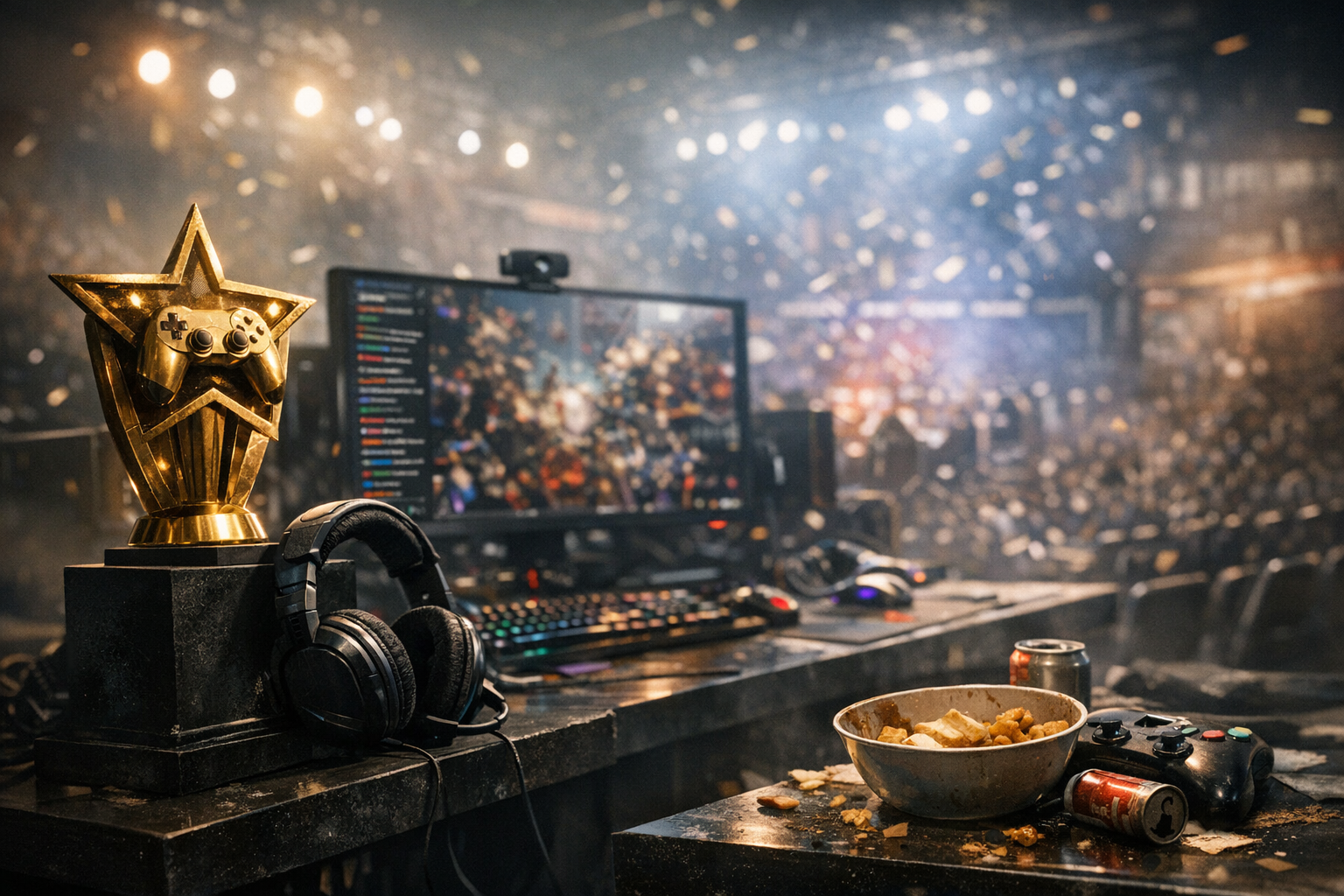
Twitch turned your favorite gamer into a brand deal and a face cam. But somewhere between the hype trains and the donations, the actual game got buried.
In the ever-evolving landscape of gaming and eSports, one pivotal question emerges: Has Twitch's rise to prominence transformed gamers into celebrities while simultaneously rendering the act of watching gaming unappealing for many audiences? This debate encapsulates a tension between entertainment and engagement, spectacle and skill. With Twitch boasting over 140 million monthly users, it's crucial to assess both its impacts on gamers' celebrity status and the viewing experience.
As live-streaming platforms like Twitch gain traction, they create a new ecosystem where gamers can turn their passions into lucrative careers. The question of whether this shift has made gaming less palatable for casual viewers is increasingly relevant. With the convergence of celebrity culture and gaming, audiences must grapple with evolving viewing preferences, entertainment expectations, and the changing dynamics of eSports.
Ninja, one of Twitch's most recognized names, points to his own experience as evidence of the platform's transformative power. "Twitch has given gamers a platform to showcase their skills and personalities. It's about creating a connection with viewers, not just gameplay. If you can draw in an audience, you've got a shot at becoming a celebrity."
Ninja argues that this celebrity status can enrich the gaming community by attracting new players and increasing investment in the industry. In his view, the entertainment value of high-energy plays and entertaining commentary has the potential to enhance, rather than detract from, the gaming experience.
Dr. Disrespect, known for his larger-than-life persona and distinctive style, offers a contrasting viewpoint, emphasizing that the elevation of gamers to celebrity status can overshadow the essence of gaming itself.
"It's like a circus; there's a lot of flash, but what about the substance? Watching someone perform acrobatics with a controller is not the same as experiencing the game. The focus should be on the gameplay, not just the personality."
He argues that the spectacle often detracts from skill and that many gamers, especially newcomers, may find it overwhelming to engage with streams that prioritize entertainment over authentic gameplay. This perspective raises concerns about whether viewers are missing essential gaming components layered beneath the entertainment veneer.
Jessica Jung provides a broader analysis of the phenomena unfolding in the gaming landscape. She acknowledges the allure of celebrity, but she also warns against possible pitfalls. "Celebrity gamers can grab attention, but in creating these figures, we risk not fostering genuine appreciation for skill-based gaming. The key is to balance entertainment with authenticity."
She notes that while viewing figures have skyrocketed in correlation with streamers' celebrity status, it may alienate segments of the audience who prefer traditional competitive play. Jung emphasizes the necessity of ensuring that the core appeals of gaming—challenge, community, and skill—remain intact even as players become household names.
All experts recognize that Twitch has elevated gamers to celebrity status, attracting broader audiences and investment into the gaming space. The opinions reflect a complex interplay of expectations from viewers between pure gaming skills and entertainment personality. There's a consensus on the importance of maintaining community engagement, despite the shift towards celebrity culture.
Ninja argues for the value of personality-driven content, while Dr. Disrespect insists this detracts from the core gaming experience. Jung worries about authenticity being compromised. While Ninja sees potential for growth, Dr. Disrespect poses concerns about oversaturation and diminishing returns on entertainment-driven content.
The ongoing dialogue regarding Twitch and gaming serves as a microcosm of broader cultural shifts. As gaming becomes increasingly entwined with celebrity culture, understanding these dynamics is essential for stakeholders in the industry, from developers to sponsors to viewers themselves. How gaming is packaged and presented impacts not only audience engagement but the future trajectory of the eSports landscape.
Ultimately, the question of whether Twitch has made gaming unwatchable is intertwined with the essence of gaming culture itself — a culture that prides itself on competition, skill, and community. As this debate unfolds, the gaming world holds its breath, anticipating what the future may hold.
Navigating the Duality of Gaming Celebrity and Viewing Experience
The rise of Twitch has undoubtedly redefined gaming, intertwining celebrity culture with digital entertainment in unprecedented ways. While some argue that this transformation dilutes the essence of gaming by prioritizing spectacle over skill, we must recognize the potential for connection and engagement that celebrity gamers provide. Streamers like Ninja and Dr. Disrespect illustrate that captivating personalities can enhance the viewing experience, drawing in diverse audiences and fostering communities. Yet, there’s a fine line between entertainment and over-saturation; as creators escalate their performances, casual players may feel disconnected. Ultimately, the challenge lies in balancing this evolution without alienating those who cherish pure gameplay. The future of gaming as a spectator sport will depend on our ability to embrace both celebrity and authenticity, crafting a viewing narrative that honors the multifaceted world of eSports.

Ninja
Professional Gamer & Streamer
"Twitch has transformed the gaming community by allowing players to achieve celebrity status, engaging new audiences and creating exciting opportunities for gamers worldwide."
𝕏 Ninja in Ninja
Dr. Disrespect
Streamer & Content Creator
"While Twitch has made streaming more mainstream, it often overshadows genuine gameplay, making it harder for viewers to engage with the actual game rather than the entertainer's antics."
𝕏 Dr. Disrespect in Dr. DisrespectJessica Jung
Game Analyst & Commentator
"While Twitch has undoubtedly popularized gaming by creating stars, it is essential to balance entertainment with authentic gameplay to keep the core essence of gaming alive."
𝕏 Jessica Jung in Jessica JungHow Does This Hit You?



No comments yet. Be the first to weigh in.