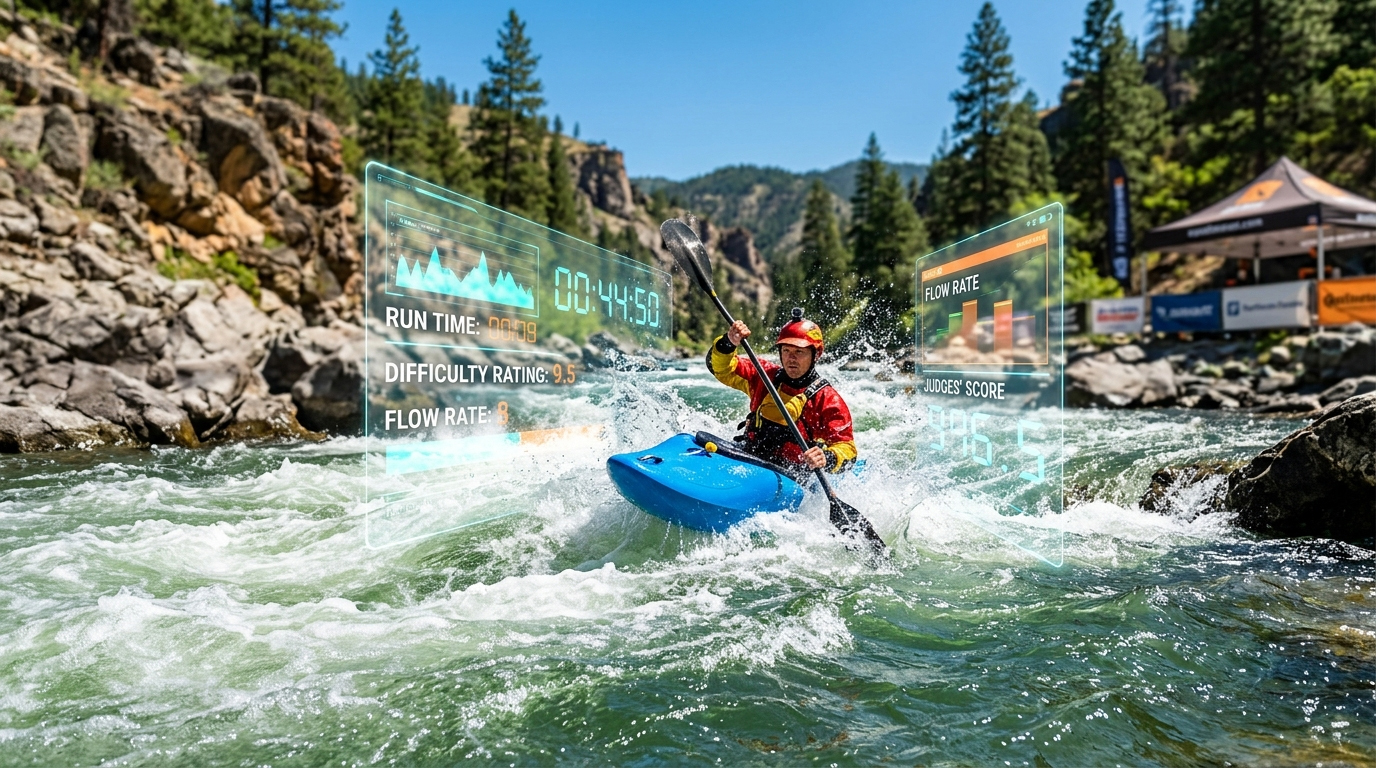
A river never needed a scoreboard to be worth running — but sponsors disagree. Annie Capps, Tommy Cummings, and Sara Baird debate whether bringing leagues and rankings to whitewater kayaking will fund the sport's growth or quietly strip away the freedom that made it meaningful in the first place.
In the world of extreme sports, few activities evoke the spirit of adventure quite like whitewater kayaking. But as the sport gains traction with sponsors and audiences, a new question looms: can whitewater kayaking maintain its authenticity in the face of commercialization?
Context: Why This Matters Now
The landscape of whitewater kayaking has shifted dramatically, with increasing corporate interest from sponsors eager to capitalize on its thrilling allure. Where once kayakers carved their paths through rivers without rankings or scorecards, they now face pressure to conform to structured competitions. This raises concerns about whether such a shift could dilute the spiritual essence that has always defined the sport.
Perspective: Proponents of Structure
Annie Capps, a professional kayaker and advocate, believes that establishing a league is essential to elevate the sport. "Scorecards and competitive structures could provide greater visibility and might encourage more people to pick up a paddle," she argues. From her perspective, introducing formalized competitions could attract much-needed funding and resources, enabling athletes to access better training environments. Capps also notes that a league could stimulate interest from a younger demographic, crucial for the sport's longevity.
Tommy Cummings, owner of a whitewater rafting company, echoes Capps's sentiments, emphasizing the potential economic benefits of a formal league. "Sponsorships are crucial for growth. If we want to see more whitewater parks, better gear, and enhanced safety features, we need a streamlined approach that also appeals to investors," he states. Cummings argues that a competitive structure could attract more spectators, increasing the sport's appeal.
Perspective: Opponents of Structure
Sports sociologist Sara Baird offers a counterpoint, cautioning against the commodification of whitewater kayaking. "The essence of kayaking has always been rooted in personal expression and connection to nature. Introducing a league with scorecards risks turning a deeply individual experience into merely a contest," she warns. Baird believes that such a shift could alienate long-time enthusiasts who appreciate kayaking's intrinsic values — the challenge, the thrill, and the adventure, rather than the competition itself.
Baird urges caution, insisting that while more sponsorship might seem appealing, it may lead to a homogenization of the sport. "What makes kayaking unique is the diversity of experiences it offers. Trying to standardize performance with scores could erase what makes each run on the river distinct and meaningful."
Editorial Synthesis
Where Experts Agree
All experts acknowledge the growing influence of sponsors in whitewater kayaking. There is a consensus that increased funding could promote the sport's growth. All agree on the importance of engaging new participants, especially younger generations.
Where Experts Disagree
Capps and Cummings advocate for a league structure, believing it could elevate the sport and attract sponsorship. Baird counters that this may lead to commodification, risking the sport's intrinsic values. There is a clash between the desire for visibility and the need for authenticity in the kayaking community.
Why This Matters
The future of whitewater kayaking hangs in a delicate balance between two competing visions. On one hand, structure and scoring could provide the traction necessary for growth. On the other hand, such commercialization might compromise the sport's original spirit of freedom, connection to nature, and individual expression.
Ultimately, the question remains: can whitewater kayaking embrace the influence of sponsors while preserving its essence? As the rivers continue to flow, so too will the conversations navigating the future of this exhilarating activity — and the community must engage in thoughtful dialogue to ensure that while the sport evolves, it does not lose its heart.
Balancing Freedom with Structure in Whitewater Kayaking
The debate surrounding the introduction of structured competitions in whitewater kayaking embodies a crucial crossroads for the sport. As sponsors push for scorecards and rankings, the essence of kayaking—spontaneity, adventure, and a deep connection to nature—could become compromised. However, there is an undeniable appeal in the potential for formalized leagues to provide visibility, resources, and fresh interest from younger generations. To navigate this delicate balance, the kayaking community must prioritize its core values while embracing the opportunities that structured competition can bring. By doing so, the sport can thrive without losing its soul, creating a new landscape that honors both tradition and innovation.

Tommy Cummings
Owner, Whitewater Rafting Company
"Tommy argues that formalizing some structure through scorecards and leagues could increase visibility and sponsorship opportunities for the sport, which are vital for its growth and sustainability in a competitive sports market."
in Tommy CummingsSara Baird
Sports Sociologist
"Dr. Baird maintains that while a league structure might provide necessary funding and growth for whitewater kayaking, it is essential to consider how it might impact community values and the emotional ties paddlers have with the sport."
in Sara BairdHow Does This Hit You?


No comments yet. Be the first to weigh in.